
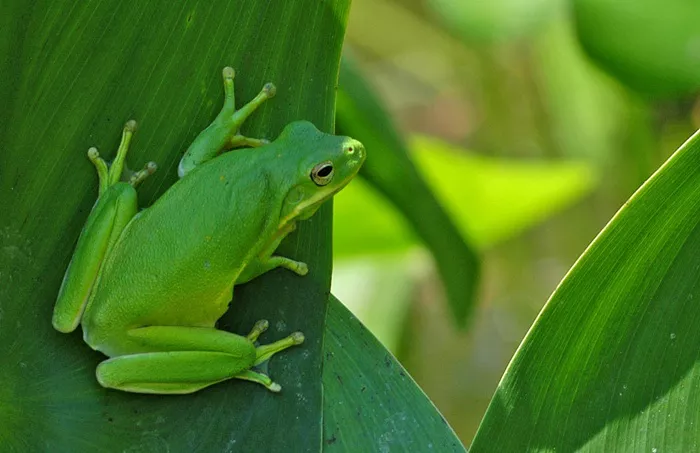
Green tree frogs are one of the most fascinating amphibians in the world. They are small, brightly colored, and often found in gardens, ponds, and forests. Many people wonder if green tree frogs need water to survive. The answer is yes, but the way they use water is different from fish or other aquatic animals. In this article, we will explore the relationship between green tree frogs and water, their survival needs, and how water affects their health and behavior.
Understanding Green Tree Frogs
Physical Characteristics
Green tree frogs are usually bright green in color, with smooth, moist skin. They have sticky pads on their toes, which help them climb trees and other surfaces. Their size ranges from 1.5 to 3 inches in length. These frogs are small but very adaptable.
Habitat and Distribution
Green tree frogs are commonly found in the southeastern United States, Australia, and some parts of Asia. They live in areas with high humidity and plenty of vegetation. Ponds, streams, swamps, and even backyard gardens can be suitable habitats. They rely on moisture in their environment to maintain healthy skin and prevent dehydration.
The Role of Water in Green Tree Frog Survival
Hydration and Skin Health
Amphibians absorb water through their skin, not by drinking like mammals. Green tree frogs need a moist environment to stay hydrated. Without enough moisture, their skin can dry out, making it difficult to breathe and survive. Moist skin also helps them absorb oxygen efficiently.
Temperature Regulation
Green tree frogs use water to regulate their body temperature. During hot weather, they stay near ponds, wet leaves, or damp areas to cool down. Water helps prevent overheating, which can be fatal for these small amphibians. Moist environments allow them to remain active during the day and night.
Breeding and Reproduction
Water is essential for green tree frog reproduction. Female frogs lay eggs in water or damp areas near water sources. Tadpoles, the larval stage of frogs, live entirely in water until they develop legs and lungs. Without water, the entire reproductive cycle of green tree frogs would be disrupted.
Hunting and Food Acquisition
Green tree frogs are carnivorous and feed on insects, spiders, and other small invertebrates. Many of these prey species live near water sources. Frogs often hunt near ponds, streams, or damp vegetation. Access to water-rich areas increases their chances of finding food efficiently.
How Green Tree Frogs Use Water
Absorption Through Skin
Unlike humans, green tree frogs do not drink water directly very often. Instead, they absorb moisture through their skin. This process is called cutaneous absorption. Frogs will sit on wet surfaces, climb on damp leaves, or stay close to water sources to maintain hydration.
Staying Moist in Dry Conditions
Green tree frogs can survive in areas with low water availability, but they must find ways to keep their skin moist. They hide under logs, leaves, or in shaded areas. Some species enter a state of partial dormancy called estivation during dry periods. This allows them to conserve moisture until rain or water becomes available.
Water for Tadpoles
Tadpoles need water to survive. They breathe through gills and eat algae and plant matter in ponds or streams. As tadpoles grow, they gradually develop lungs and limbs to prepare for life on land. The presence of clean water is crucial for their growth and development into adult frogs.
Signs a Green Tree Frog Needs Water
Dry or Wrinkled Skin
If a green tree frog’s skin looks dry or wrinkled, it may be dehydrated. Frogs with dry skin can become weak and more susceptible to disease. Providing a damp environment or misting them with water helps restore their hydration levels.
Lethargy and Reduced Activity
Frogs that do not have enough water may move less and hide more often. Lack of water reduces their ability to hunt and escape predators. Maintaining a moist habitat is important for keeping green tree frogs active and healthy.
Loss of Appetite
When frogs are dehydrated, they may stop eating. Proper hydration ensures their digestive system functions properly. Without water, they cannot efficiently process food or absorb nutrients.
Providing Water for Captive Green Tree Frogs
Creating a Moist Environment
If you keep green tree frogs as pets, you must provide a moist habitat. This can be achieved by misting the enclosure regularly, adding water dishes, and maintaining high humidity levels. A moist substrate such as coconut fiber or moss also helps.
Water Quality Matters
Clean water is essential. Frogs are sensitive to chemicals and contaminants. Tap water should be dechlorinated before use. Avoid soaps, detergents, or other chemicals near their habitat. Maintaining water quality prevents disease and supports overall health.
Temperature and Humidity Control
Green tree frogs thrive in temperatures between 75–85°F (24–29°C) with high humidity. Using a thermometer and hygrometer helps monitor conditions. Proper humidity prevents dehydration and keeps the frogs comfortable.
Common Misconceptions About Frogs and Water
Do Green Tree Frogs Live Only in Water?
Many people think green tree frogs live only in water. In reality, adult frogs spend most of their time on land, in trees, or near vegetation. Water is important, but they do not stay in ponds all the time. They return to water mainly for hydration, breeding, or to cool down.
Frogs and Direct Drinking
Unlike humans, frogs rarely drink water directly. They rely on skin absorption. Observing a frog “drinking” water is uncommon. Providing a moist environment is more important than expecting them to drink like mammals.
Do Frogs Survive Without Water?
Green tree frogs cannot survive long without water. They may hide or become inactive, but prolonged dryness leads to dehydration, illness, and death. Water is essential for all life stages, from tadpoles to adults.
Green Tree Frogs in the Wild
Adapting to Seasonal Changes
In the wild, green tree frogs face seasonal changes. During wet seasons, water is abundant, and frogs are active. During dry seasons, they seek shelter in moist areas to conserve water. These natural adaptations allow them to survive in varying conditions.
Interactions With Other Wildlife
Frogs often share their environment with other animals that rely on water. Birds, insects, and mammals may compete for the same resources. Frogs have developed behaviors to find water without excessive competition, such as climbing trees to access dew or rainwater.
Impact of Environmental Changes
Habitat destruction and pollution reduce available water sources. Ponds may dry up, and chemicals can contaminate water. Green tree frogs are sensitive to these changes. Conservation efforts focus on preserving wetlands and clean water to protect frog populations.
Conclusion
Green tree frogs need water for survival, but they use it differently from many other animals. They rely on skin absorption, moist habitats, and access to water for breeding and hydration. While they can adapt to short periods of dryness, long-term water scarcity can be fatal. Understanding their needs helps us protect these amazing amphibians, whether in the wild or in captivity. By maintaining clean water sources and moist environments, we ensure green tree frogs thrive for generations to come.