
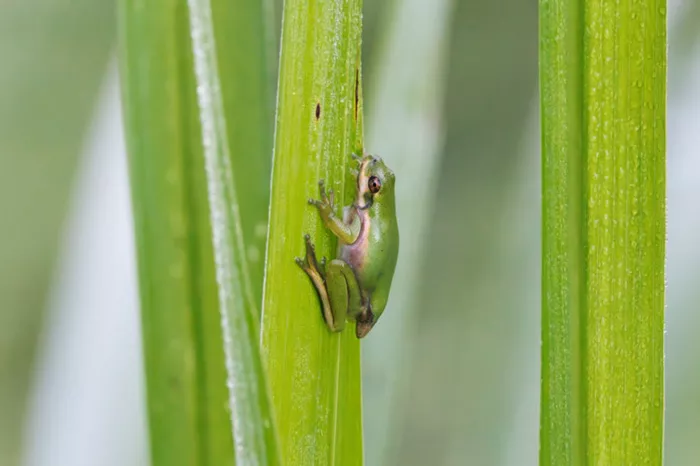
Green tree frogs are fascinating amphibians known for their vibrant green color, sticky toes, and melodic calls. One of the most intriguing aspects of their life cycle is their reproductive behavior. Understanding where green tree frogs lay their eggs is essential for studying their ecology, supporting conservation efforts, and appreciating their unique survival strategies. In this article, we will explore the preferred habitats, the conditions required for egg-laying, and the development of their eggs into tadpoles.
Understanding Green Tree Frogs
Green tree frogs belong to the family Hylidae. They are found in various regions around the world, including North America, Australia, and parts of Asia. These frogs are primarily nocturnal and arboreal, meaning they spend most of their time in trees or shrubs. Their green coloration helps them blend with leaves, providing camouflage from predators. Despite their arboreal nature, their reproduction is closely tied to water sources.
The Reproductive Cycle of Green Tree Frogs
Reproduction in green tree frogs occurs mainly in warm, wet seasons. Males use vocal sacs to produce loud mating calls that attract females. Once a female selects a mate, the process of laying eggs begins. Understanding where and how they lay eggs gives insight into the species’ survival and development.
Preferred Egg-Laying Locations
Green tree frogs usually lay their eggs in environments that are moist, safe, and close to water. Unlike some amphibians that lay eggs directly in water, green tree frogs often choose sites with slight elevation or vegetation overhanging a water body. The eggs are vulnerable to drying out and predation, so careful site selection is critical.
Ponds and Shallow Water Bodies
Ponds, lakes, and shallow water areas are the most common locations for egg-laying. The calm water reduces the risk of eggs being washed away. The female lays clusters of eggs, often attached to aquatic plants or floating freely. Shallow water also allows newly hatched tadpoles to access sunlight and feed efficiently.
Vegetation Overhanging Water
Some green tree frogs prefer to lay eggs on leaves or branches that hang above water. When the eggs hatch, the tadpoles drop directly into the water. This strategy minimizes exposure to aquatic predators and increases the survival rate of offspring. The leaves provide protection from the sun and help maintain the necessary moisture around the eggs.
Temporary Pools and Rainwater Accumulations
Green tree frogs are highly adaptable and can use temporary pools, puddles, and rainwater-filled depressions for egg-laying. These temporary habitats usually have fewer predators, providing a safer environment. However, the risk is that these water sources can dry up quickly, which may threaten the eggs or developing tadpoles.
Egg-Laying Behavior
The process of laying eggs is called oviposition. Female green tree frogs can lay hundreds to thousands of eggs at a time. They often attach the eggs in clusters to vegetation or floating debris. The jelly-like substance surrounding each egg protects it from mechanical damage, prevents drying out, and deters some predators. The eggs are transparent or slightly whitish, making them blend with their surroundings.
Timing of Egg-Laying
Green tree frogs usually lay eggs at night when humidity is high and predators are less active. The warm and wet conditions of spring and summer trigger the female’s reproductive cycle. Timing is crucial to ensure that the eggs develop in an environment with enough water and suitable temperature.
Factors Affecting Egg-Laying Site Selection
Several environmental factors influence where green tree frogs lay their eggs:
- Water availability: Eggs require moisture to survive, so proximity to water is essential.
- Predator presence: Females avoid sites with fish or large insects that may eat eggs.
- Temperature and humidity: Eggs develop faster in warm, humid conditions.
- Vegetation type: Plants that can hold or support egg clusters are preferred.
Egg Development and Tadpole Emergence
Once laid, green tree frog eggs usually hatch within a week to two weeks, depending on temperature and humidity. The eggs transform into tadpoles, which are aquatic and rely on water for survival. Tadpoles feed on algae and organic matter and gradually undergo metamorphosis to become juvenile frogs capable of leaving the water and climbing vegetation.
Survival Strategies
Green tree frog eggs are often laid in clusters, which helps improve survival rates. The jelly surrounding the eggs absorbs water, providing hydration, and acts as a buffer against mechanical damage. Some species also choose shaded areas to reduce exposure to sunlight, preventing dehydration or overheating.
Common Misconceptions
Many people assume that green tree frogs lay eggs randomly in any water source. In reality, these frogs are selective and strategic. They prefer sites that maximize the chances of egg survival and successful tadpole development. Understanding these preferences can help in conservation and habitat management.
Egg-Laying in Captivity
In captivity, green tree frogs need simulated natural environments to lay eggs successfully. Aquariums with shallow water, floating plants, and controlled humidity can encourage reproduction. Observing their natural egg-laying behavior in captivity provides valuable insight into their ecological needs.
Conservation Implications
The habitats chosen by green tree frogs for egg-laying are often threatened by human activities such as urban development, pollution, and water diversion. Protecting ponds, wetlands, and other natural water sources is essential for maintaining healthy populations. Educating the public about the importance of preserving frog breeding sites contributes to amphibian conservation.
Impact of Climate Change
Climate change affects rainfall patterns and water availability, directly influencing egg-laying sites. Droughts can dry up temporary pools, while unpredictable flooding can wash away eggs. Understanding how green tree frogs select their breeding sites helps scientists predict and mitigate the impacts of environmental changes.
Interesting Facts About Green Tree Frog Reproduction
- Some green tree frogs can lay eggs multiple times in a single breeding season.
- Eggs are often covered in a sticky jelly that makes them clump together, reducing predation risk.
- Tadpoles hatch with tails and gills and are entirely aquatic until metamorphosis.
- Green tree frogs communicate through calls not only to attract mates but also to warn competitors away from egg-laying sites.
Conclusion
Green tree frogs exhibit remarkable strategies when it comes to laying their eggs. They carefully select safe, moist, and predator-free environments, often near or above water, to maximize survival chances. Understanding where and how these frogs lay eggs is crucial for ecological studies, conservation efforts, and raising awareness about amphibian life cycles. By protecting their natural habitats and respecting their reproductive needs, we can ensure the survival of green tree frogs for generations to come.