
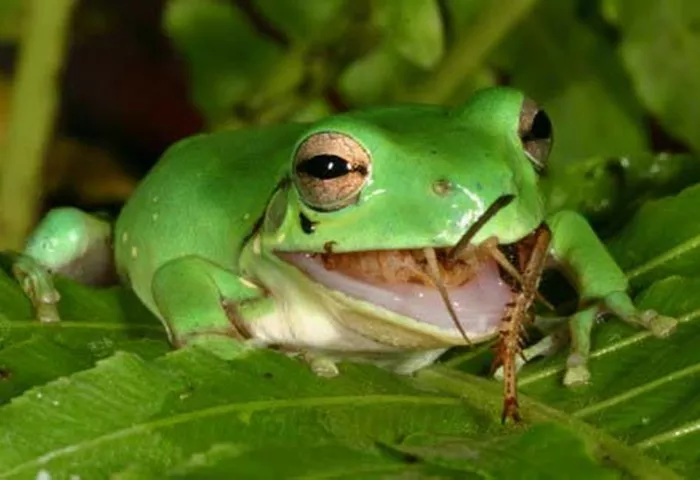
The appearance of a green tree frog inside a house often surprises homeowners. Many people feel curious. Some feel worried. Others believe it may have a special meaning. In reality, a green tree frog indoors is usually a simple ecological event. It is not a sign of danger. It is not a sign of structural damage. It is most often the result of natural behavior.
The green tree frog, commonly known as the American Green Tree Frog (Hyla cinerea), is a small amphibian native to the southeastern United States. It thrives in warm and humid environments. Because of its climbing ability and attraction to light, it sometimes enters houses. Understanding why this happens helps reduce fear and prevents harm to the frog.
This article explains why green tree frogs enter homes, whether they cause problems, what they mean from a biological perspective, and how to handle the situation safely and humanely.
What Is a Green Tree Frog
Scientific Classification
The American Green Tree Frog belongs to the family Hylidae. It is an arboreal amphibian. Arboreal means it lives in trees and shrubs. It has adhesive toe pads. These pads allow it to climb glass, walls, and smooth surfaces.
Physical Characteristics
This frog is bright green. Some individuals show yellow or white stripes along the side. The belly is pale. The skin is smooth and moist. Adults usually measure between 1.25 and 2.25 inches in length. Their large eyes help them see in low light.
Natural Habitat
Green tree frogs live in swamps, ponds, marshes, and wooded areas near water. They prefer environments with high humidity. They are most active at night. During the day, they rest on leaves or branches.
Why Does a Green Tree Frog Enter the House
Attraction to Light
Green tree frogs feed on insects. Insects gather near porch lights and indoor lighting. Frogs follow their food source. If a door or window is open, the frog may accidentally enter.
Seeking Moisture
Frogs breathe partly through their skin. Moisture is essential for survival. In dry seasons, a house with damp areas such as bathrooms, basements, or laundry rooms may attract them.
Shelter from Weather
Extreme heat, heavy rain, or cold temperatures can push frogs to seek shelter. Houses provide stable conditions. A frog may enter through small gaps or under doors.
Accidental Entry
Sometimes the frog simply climbs onto a door frame or window screen. When the door opens, it falls inside. This is common in areas where frogs live in high numbers.
Is a Green Tree Frog in the House Dangerous
Risk to Humans
Green tree frogs are not aggressive. They do not bite humans. They are not venomous. They are generally harmless. Some people may experience mild skin irritation if they handle frogs without washing hands afterward, but serious reactions are rare.
Risk to Pets
Most pets are not harmed by these frogs. However, cats may try to play with them. Dogs may attempt to bite them. While green tree frogs are not toxic like some toads, it is best to keep pets away to avoid stress to the animal.
Risk to the House
A single frog does not damage furniture or structure. It does not chew materials. It does not nest inside walls. The main issue is droppings, which are small and easy to clean.
Does a Green Tree Frog in the House Have Symbolic Meaning
Cultural Interpretations
In some cultures, frogs represent good luck or renewal. In others, they symbolize rain and fertility. These meanings are traditional beliefs. They are not scientific facts.
Scientific Perspective
From a biological standpoint, a frog inside a house means the surrounding environment supports amphibian life. It often indicates nearby water and healthy insect populations.
How Long Can a Green Tree Frog Survive Indoors
Green tree frogs need moisture and food. Indoors, insects may be limited. Air may be dry. Without proper humidity, the frog can become dehydrated. Most frogs cannot survive long inside a dry home environment.
If trapped without water, a frog may weaken within days. Therefore, releasing it promptly is important.
How to Safely Remove a Green Tree Frog from the House
Stay Calm
The frog is more afraid of you than you are of it. Move slowly. Avoid loud noises.
Use Gentle Capture Methods
Place a container over the frog. Slide stiff paper under the container. Carry the frog outside. Release it near plants or shrubs.
Avoid Chemicals
Do not use insect spray or cleaning chemicals. Amphibian skin absorbs toxins quickly. Chemicals can kill the frog and contaminate your home environment.
How to Prevent Green Tree Frogs from Entering
Seal Entry Points
Inspect doors and windows. Repair damaged screens. Seal gaps around pipes and vents.
Reduce Outdoor Insects
Turn off unnecessary lights at night. Use warm-colored bulbs. This reduces insect attraction.
Manage Moisture
Fix leaking faucets. Improve drainage around the house. Keep indoor humidity balanced.
When to Be Concerned
One frog is normal in suitable climates. Repeated appearances may indicate structural gaps. It may also suggest nearby standing water. If frogs appear in large numbers indoors, inspect the property for open access points.
Environmental Importance of Green Tree Frogs
Natural Pest Control
Green tree frogs eat mosquitoes, flies, and other insects. They help maintain ecological balance.
Indicator Species
Amphibians are sensitive to pollution. Their presence suggests relatively clean surroundings.
Common Myths About Frogs in Houses
Myth: Frogs Bring Disease
Healthy frogs rarely transmit disease directly to humans. Basic hygiene after handling is enough protection.
Myth: Frogs Multiply Indoors
Green tree frogs require water bodies to breed. They will not lay eggs on dry floors or furniture.
Seasonal Patterns
Frogs are most active in spring and summer. During breeding season, males call loudly. Increased movement during warm months raises the chance of indoor encounters.
Conclusion
A green tree frog in the house is usually a harmless visitor. It does not mean structural damage. It does not signal danger. It is most often attracted by insects, moisture, or shelter. With calm handling and proper prevention, homeowners can resolve the situation easily. Understanding the biology of the American Green Tree Frog helps replace fear with knowledge. In most cases, the frog is simply following natural instincts. A respectful approach protects both the animal and the home environment.