
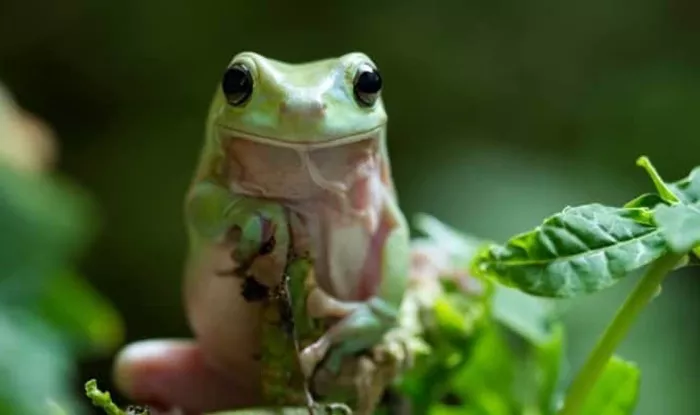
Green tree frogs are fascinating creatures known for their vibrant green color and distinctive croaking calls. As amphibians, they have a unique relationship with water, but the question remains: do green tree frogs live in water? To understand this, it’s important to explore their natural habitat, behavior, and life cycle. Green tree frogs are commonly found in humid environments, and while they do not spend their entire lives in water, they rely on it in crucial stages. In this article, we will delve into the frog‘s relationship with water, focusing on their habitat, reproductive habits, and survival strategies.
Understanding Green Tree Frogs
Green tree frogs, scientifically known as Hyla cinerea, are small amphibians that thrive in wetlands, ponds, and swampy areas. They are known for their adaptability to different environments and their unique physical features. These frogs are arboreal, meaning they spend much of their time in trees, but they still require water for various aspects of their life cycle.
Physical Characteristics of Green Tree Frogs
Green tree frogs are typically bright green with a white or pale yellow stripe running along their sides. Their smooth, moist skin allows them to absorb water and oxygen, which is essential for their survival. The size of these frogs can vary, but they usually grow up to about 2-3 inches in length. Despite their small size, they are known for their loud calls during the mating season.
Natural Habitat
Green tree frogs are native to the southeastern United States, particularly in areas like Florida, Georgia, and Louisiana. Their natural habitat includes forests, swamps, ponds, and wetlands. These environments offer the humidity and water sources they need to thrive. During the day, they seek shelter in trees or plants, but at night, they are more likely to be found near water.
Green Tree Frogs and Water: A Critical Connection
While green tree frogs are not aquatic creatures, they rely on water in several critical ways. Water is essential for their breeding, hydration, and survival. Let’s examine how these frogs interact with water throughout their lives.
Water for Breeding
Water plays an indispensable role in the reproduction of green tree frogs. During the breeding season, which typically occurs in the spring or summer, male frogs call to attract females. These calls are usually heard near bodies of water, such as ponds, swamps, and marshes. Once a female selects a mate, she lays her eggs in the water, where they hatch into tadpoles.
Life Cycle: From Tadpole to Adult
The green tree frog’s life cycle is highly dependent on water. After the female lays her eggs in water, they hatch into tadpoles. The tadpoles, which are entirely aquatic, go through several stages of development in the water. Over time, they gradually transform into juvenile frogs through a process known as metamorphosis. As tadpoles, they rely on the water for both oxygen and nutrition, feeding on algae and other microorganisms.
Once the metamorphosis is complete, the young frogs begin to leave the water and venture into the trees, but they still maintain a connection with the water throughout their lives. Juvenile frogs may return to the water for hydration or to escape predators.
Water for Hydration
Although green tree frogs do not live in water, they require it for hydration. They absorb water through their skin, which helps to maintain moisture levels and prevent dehydration. The frogs’ skin is highly permeable, allowing them to take in water from puddles, rain, or humid environments. They are particularly vulnerable to dehydration in dry conditions, which is why they are often found in areas with high humidity and near water sources.
Behavioral Adaptations for Survival
Green tree frogs have several behavioral adaptations that allow them to survive in a variety of environments, even though they don’t live in water full-time. These adaptations are linked to their ability to maintain moisture and avoid dehydration.
Climbing and Hiding in Trees
As arboreal creatures, green tree frogs are excellent climbers. They use their strong, sticky feet to cling to tree branches, leaves, and other vegetation. This ability helps them avoid predators, such as snakes and birds, and find shelter from the sun. The trees also provide moisture from the surrounding air, which helps keep their skin hydrated.
Nighttime Activity
Green tree frogs are nocturnal, meaning they are most active during the night. This behavior helps them avoid the heat of the day, which can lead to dehydration. At night, they search for food, drink from the water sources, and breed. The cooler, more humid night air is also beneficial for their survival.
Challenges and Conservation
Although green tree frogs are adaptable creatures, they face several challenges in the modern world. Habitat destruction, pollution, and climate change are some of the major threats to their populations. Wetlands and other water sources are being drained or polluted, which reduces the frogs’ access to the environments they need for breeding and hydration.
Threats to Habitat
The loss of wetlands and ponds is a significant threat to green tree frogs. These areas are crucial for their reproduction, as they lay eggs in stagnant or slow-moving water. When these habitats are destroyed, the frogs may be forced to move to less suitable environments, which can hinder their survival and reproduction.
Climate Change
Climate change has led to shifts in temperature and rainfall patterns, which can impact the frogs’ habitat. Increased temperatures may lead to dehydration, while altered rainfall patterns may affect the availability of water. These changes could force green tree frogs to adapt or migrate to new areas, putting additional stress on their populations.
Conclusion
In conclusion, while green tree frogs do not live in water for their entire lives, water is a vital component of their existence. They rely on water for breeding, hydration, and survival during their tadpole stage. Their behavior and physical characteristics have evolved to help them thrive in humid environments, but they still need water to complete their life cycle. Protecting wetland habitats and addressing environmental challenges like climate change are essential to ensuring the continued survival of these remarkable amphibians. Green tree frogs serve as an important indicator of the health of our ecosystems, and their well-being depends on maintaining a balance between land and water.