
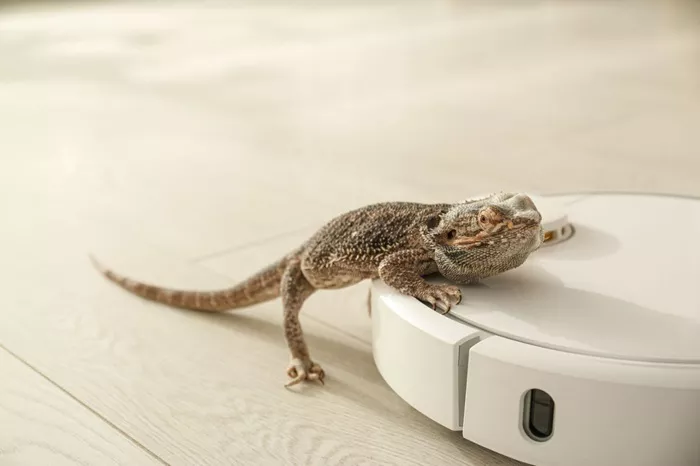
Lizards are common reptiles found in homes, gardens, and even offices. While most lizards are harmless, many people find them unpleasant or frightening. Their sudden movements, small size, and tendency to appear in unexpected places can make them a nuisance. Knowing how to make lizards go away requires understanding their behavior, habitat, and the factors that attract them.
In this article, we will explore practical, safe, and effective ways to keep lizards away. We will cover preventive measures, natural repellents, environmental adjustments, and behavioral tips. By following these strategies, you can reduce the presence of lizards in your surroundings without harming them.
Understanding Lizards
What Are Lizards?
Lizards are reptiles belonging to the order Squamata. They are cold-blooded animals with scaly skin, four legs, and a tail. Most lizards are small, although some species can grow quite large. They are found in warm climates and are highly adaptable, often living near human habitats.
Why Lizards Enter Homes
Lizards are usually attracted to homes for food, shelter, and warmth. Insects such as ants, mosquitoes, and flies serve as their primary food source. Warm, dark, and quiet areas provide ideal hiding spots. Kitchens, bathrooms, and storage areas are common places where lizards appear.
Signs of Lizards in Your Home
Identifying lizard activity early helps prevent infestations. Common signs include:
- Small droppings, usually black with a white tip.
- Shedding of skin in corners or behind furniture.
- Sudden movement along walls, ceilings, or floors.
- Presence of insects, which may attract lizards.
Preventive Measures
Keep Your Home Clean
Maintaining cleanliness is one of the most effective ways to prevent lizards. Remove food crumbs, store food in airtight containers, and regularly clean areas where insects might gather. A clean home reduces the insect population, which indirectly makes your home less attractive to lizards.
Seal Entry Points
Lizards can enter through small cracks and gaps in doors, windows, and walls. Inspect your home carefully and seal all possible entry points. Use weatherstripping, caulk, or mesh screens to prevent lizards from getting inside.
Reduce Moisture
Lizards are attracted to water sources. Fix leaking pipes, avoid standing water, and keep bathrooms dry. By reducing moisture, you make your home less inviting for lizards and the insects they feed on.
Natural Repellents
Eggshells
Placing eggshells in corners or near windows can deter lizards. They perceive eggshells as a threat, which keeps them away. Make sure to dry and crush the eggshells before placing them strategically.
Garlic and Onion
Lizards dislike the strong smell of garlic and onion. You can place sliced garlic cloves or onion pieces in areas where lizards are likely to enter. Refresh these daily to maintain their effectiveness.
Peppers and Spices
Strong spices like red chili powder, black pepper, and turmeric can act as natural repellents. Sprinkle small amounts near windows, doors, and corners. The strong odor irritates lizards and encourages them to avoid those areas.
Neem Oil
Neem oil is a natural insect repellent. Since lizards feed on insects, using neem oil reduces their food source. Spray diluted neem oil around doors, windows, and corners to keep both insects and lizards away.
Environmental Adjustments
Control Insect Population
Reducing insects inside and around your home is key. Use fly traps, mosquito repellents, and insecticides safely. Less food means lizards will be less likely to stay.
Remove Clutter
Lizards hide in cluttered areas such as boxes, storage rooms, and piles of clothes. Keeping your home organized and clutter-free reduces hiding places, making it uncomfortable for lizards.
Use Bright Lights
Lizards prefer dark places. Using bright lights in areas like kitchens, hallways, and balconies discourages them from staying. Motion-sensor lights can be particularly effective at startling lizards and preventing them from settling.
Behavioral Strategies
Make Noise
Lizards are sensitive to vibrations. Creating regular noise by walking, moving furniture, or tapping surfaces can make them feel unsafe. This encourages them to leave and avoid certain areas.
Scare Tactics
Visual deterrents like reflective surfaces, hanging CDs, or moving objects can scare lizards. They tend to avoid open and brightly reflective spaces where they feel exposed.
Relocation
If you catch a lizard using a non-lethal trap, release it far away from your home. Make sure to handle them gently and avoid harming them. Relocation is an effective method for controlling lizard presence without cruelty.
When to Seek Professional Help
In some cases, lizard infestations may be difficult to manage alone. If lizards appear in large numbers or are causing damage, contacting pest control professionals can provide effective solutions. Professionals can assess the situation and implement safe, long-term strategies for keeping lizards away.
Conclusion
Making lizards go away involves understanding their behavior and addressing the factors that attract them. By maintaining cleanliness, sealing entry points, using natural repellents, adjusting the environment, and employing behavioral strategies, you can significantly reduce lizard presence in your home. Prevention is always better than reaction, and a consistent approach ensures that your home remains lizard-free while respecting the safety of these harmless reptiles.
Related topics: