
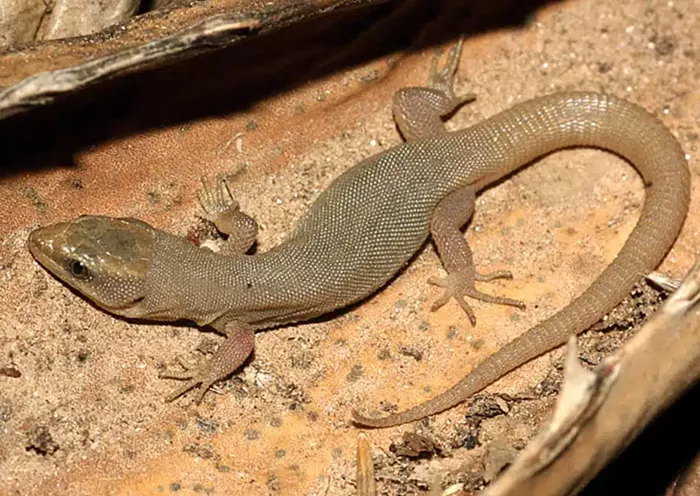
California is home to a diverse range of lizard species due to its varied climate, geography, and ecosystems. From deserts and mountains to forests and coastal areas, lizards have adapted to thrive in almost every part of the state. In this article, we will explore the lizard species that live in California, their habitats, behaviors, and unique characteristics. Understanding these reptiles helps enthusiasts, biologists, and residents appreciate the rich biodiversity of the state.
Factors Affecting Lizard Distribution in California
The distribution of lizards in California depends on several factors including climate, temperature, availability of food, and shelter. Lizards are ectothermic, which means they rely on external heat sources to regulate their body temperature. This is why many species prefer sunny areas, rocks, and open spaces where they can bask. Other factors such as human development and introduced species also affect where lizards are found.
Common Lizards Found in California
Western Fence Lizard (Sceloporus occidentalis)
The Western Fence Lizard is one of the most common lizards in California. They are easily recognizable by their blue bellies and rough, scaly skin. These lizards are often found in open areas, woodlands, grasslands, and along fences and rocks. They feed mainly on insects and are active during the day, often basking in the sun to maintain their body temperature.
Southern Alligator Lizard (Elgaria multicarinata)
Southern Alligator Lizards are long, slender lizards with strong tails and a distinctive armored appearance. They are usually brown or gray with darker bands and can grow up to 14 inches in length. These lizards prefer grasslands, forests, and coastal areas. They are excellent climbers and often hide under logs, rocks, or leaf litter. They feed on insects, spiders, and small mammals.
Side-blotched Lizard (Uta stansburiana)
The Side-blotched Lizard is small and agile, with a distinctive dark blotch on its sides near the shoulders. They are common in desert and scrub areas of California, especially in southern and central regions. These lizards are highly adaptable and have interesting social behaviors, with males establishing territories that vary in size and shape.
Western Skink (Plestiodon skiltonianus)
Western Skinks are small, smooth-bodied lizards with bright blue tails when young. As they mature, their tails often fade in color. They inhabit grasslands, chaparral, and open woodlands. Skinks are excellent burrowers and spend a lot of time under leaf litter or loose soil. Their diet includes insects, spiders, and small invertebrates.
Coast Horned Lizard (Phrynosoma blainvillii)
The Coast Horned Lizard is a unique species often called a “horny toad” due to its spiky appearance and flattened body. It is found mainly in coastal scrub, grasslands, and sandy areas. This lizard primarily feeds on ants but may also consume other small insects. Its ability to blend into its environment provides excellent camouflage against predators.
Desert Iguana (Dipsosaurus dorsalis)
Desert Iguanas are found in the hot, arid deserts of southeastern California. They are light-colored lizards that help reflect heat and are active during the hottest parts of the day. Desert Iguanas feed mainly on plants and insects, and they dig burrows to escape extreme temperatures. Their behavior and adaptation make them one of the most resilient desert lizards.
Habitat and Regional Distribution
Coastal Regions
Lizards in coastal California often prefer scrublands, dunes, and rocky outcrops. Species such as the Coast Horned Lizard and Southern Alligator Lizard are common in these areas. Coastal climates are milder than deserts, allowing lizards to remain active for more months of the year.
Desert Regions
Desert regions like the Mojave and Colorado deserts host species adapted to extreme heat and scarce water. Side-blotched Lizards and Desert Iguanas are typical in these habitats. Desert lizards often burrow or hide under rocks to avoid overheating and rely on limited water sources and moisture in their diet.
Mountain and Forest Regions
Higher elevation areas such as the Sierra Nevada and coastal mountain ranges are home to species like the Western Fence Lizard and Western Skink. These lizards may hibernate or reduce activity during colder months. Mountain habitats provide rocky crevices, leaf litter, and logs for shelter and hunting.
Lizard Behavior in California
Basking and Thermoregulation
Most lizards in California spend a significant portion of their day basking in the sun. This behavior helps them maintain their body temperature, digest food efficiently, and remain active. Basking is especially important for species in cooler climates or shaded areas.
Diet and Hunting
California lizards are mostly insectivorous, feeding on ants, beetles, spiders, and other invertebrates. Some species, like the Desert Iguana, also consume plant material. Hunting strategies vary; some lizards ambush prey while others actively forage. Feeding behavior is closely linked to habitat and time of day.
Reproduction
Lizards in California reproduce in the warmer months. Most lay eggs, but some species may give live birth. Mating rituals often involve territorial displays, head bobbing, and color changes. Eggs are usually laid in burrows or under rocks, providing protection from predators and environmental extremes.
Camouflage and Defense
Many lizard species in California rely on camouflage to avoid predators. The Coast Horned Lizard blends with sandy soils, while Western Fence Lizards match the bark and rocks of their surroundings. Some lizards can drop their tails to escape capture, a process known as autotomy.
Threats to Lizards in California
Habitat Loss
Urban development, agriculture, and land clearing reduce natural habitats for lizards. Loss of shrubs, rocks, and open spaces can limit basking sites, food availability, and shelter, putting pressure on populations.
Climate Change
Changes in temperature and precipitation patterns affect lizard behavior and survival. Some species may expand or shrink their range, while others may struggle to find suitable microhabitats to thermoregulate and reproduce.
Predation and Human Impact
Lizards face predation from birds, snakes, and mammals. Human activity, such as pets, pesticides, and accidental captures, can also reduce populations. Conservation efforts and awareness are important for maintaining healthy lizard populations in California.
Interesting Facts About California Lizards
Color Variation and Signaling
Many California lizards display vivid colors for communication. For example, male Western Fence Lizards show bright blue patches during mating season to attract females. Coloration can also serve as a warning to predators or a way to blend with the environment.
Unique Adaptations
Lizards like the Desert Iguana can tolerate extreme heat, while Western Skinks burrow to escape predators and harsh weather. Horned Lizards have flattened bodies and spiny projections that provide camouflage and protection.
Ecological Importance
Lizards play a key role in California ecosystems. They control insect populations, serve as prey for larger animals, and contribute to nutrient cycling. Healthy lizard populations indicate a balanced and functioning ecosystem.
Conservation Efforts
Protected Habitats
California has several protected areas such as state parks and reserves that provide safe habitats for lizards. These areas help preserve native vegetation, reduce human disturbance, and maintain biodiversity.
Education and Awareness
Educational programs teach people about the importance of lizards and their habitats. Public awareness can reduce threats from human activities and promote coexistence with wildlife.
Research and Monitoring
Scientists conduct research on lizard populations, distribution, and behavior to inform conservation strategies. Monitoring helps detect changes in populations and guides habitat protection efforts.
Conclusion
California hosts a remarkable diversity of lizard species, each adapted to specific habitats ranging from deserts and mountains to coastal regions and forests. Lizards such as the Western Fence Lizard, Southern Alligator Lizard, Side-blotched Lizard, and Desert Iguana are just a few examples of the state’s rich reptile fauna. Understanding their behavior, diet, and adaptations provides valuable insight into the ecological balance of California. Protecting habitats and raising awareness are essential for ensuring that these fascinating reptiles continue to thrive for generations to come.
Related topics: