
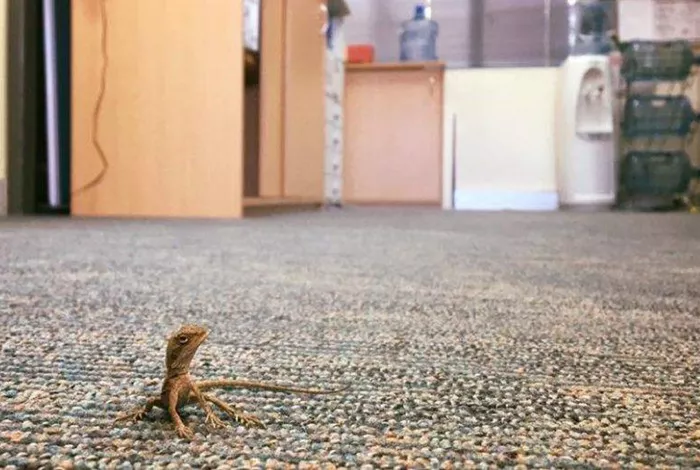
Lizards are common reptiles that can appear in homes for various reasons. Seeing a lizard in your house can evoke curiosity, surprise, or even fear. In many cultures, lizards are seen as symbols of luck, protection, or transformation. Understanding the presence of a lizard in your home requires both biological and cultural perspectives. This article explores why lizards enter houses, their behavior, symbolic meanings, and how to safely handle or coexist with them.
Understanding Lizards
Lizards belong to the order Squamata and include thousands of species worldwide. They are cold-blooded reptiles that rely on external heat sources to regulate their body temperature. Most lizards are harmless to humans, feeding on insects, small invertebrates, and sometimes fruits or plants. Common lizard species that enter homes include geckos, anoles, skinks, and small chameleons.
Reasons Lizards Enter Homes
Seeking Food
Lizards are often drawn to houses because of abundant food sources. Insects such as flies, mosquitoes, and ants are common inside homes, attracting lizards that feed on them. Kitchens, storage rooms, and areas with crumbs or standing water are particularly appealing.
Seeking Shelter
Lizards look for safe, warm, and dry places to hide. During extreme weather, such as heavy rain or cold temperatures, they may enter houses to escape the elements. Dark corners, behind furniture, or cracks in walls provide ideal hiding spots.
Temperature Regulation
Being ectothermic, lizards depend on external warmth. Houses with sunlight exposure or heating systems can offer favorable temperatures. Warm walls, sunny windows, or heated floors can attract lizards seeking comfort.
Signs of a Lizard in Your House
Noticing a lizard in your home may come with subtle or obvious signs. Some common indicators include:
- Sudden movement on walls or ceilings
- Small droppings that resemble tiny seeds, often near corners
- Footprints on dusty surfaces
- Increased insect activity being reduced due to lizard predation
Behavior of House Lizards
Predatory Habits
Most house lizards are insectivorous. They actively hunt insects, using their keen vision and quick reflexes. A lizard may wait motionless for prey before striking, which can make them appear both stealthy and patient.
Territorial Nature
Some lizards may establish small territories within homes. Male lizards can display behaviors such as head-bobbing or tail-waving to ward off intruders. Understanding their territorial tendencies can help in managing interactions safely.
Reproduction
While not common indoors, lizards may occasionally lay eggs if conditions are favorable. Moist, hidden areas such as under furniture or in plant pots can become nesting spots. Eggs are small and soft-shelled, requiring warmth and humidity to develop.
Symbolic Meanings of Lizards in the Home
Cultural Interpretations
In many cultures, seeing a lizard in your house carries symbolic meanings. For example:
- Good Luck: In some Asian cultures, a lizard is considered a bringer of fortune and prosperity.
- Protection: Some believe lizards ward off negative energy and protect the household.
- Change and Adaptation: Due to their ability to shed tails and adapt to different environments, lizards symbolize flexibility and transformation.
Superstitions
Superstitions vary across regions. In some traditions, the direction from which a lizard enters a house may influence the type of luck or warning it brings. For instance, entering from the east may be considered auspicious, while the west might be seen as a cautionary sign.
Health and Safety Concerns
Are Lizards Dangerous?
Most house lizards are harmless. They do not pose a threat to humans or pets. However, large lizards or certain exotic species may bite if threatened. Generally, their primary defense mechanism is fleeing.
Hygiene Considerations
Lizards can leave droppings that may contain bacteria such as Salmonella. While the risk is low, it is recommended to clean areas where lizards frequent. Avoid direct contact with their droppings and wash hands after cleaning.
Coexisting Safely
Lizards can be beneficial in controlling insect populations inside the home. To coexist safely:
- Keep food covered and store leftovers properly
- Seal cracks and gaps where lizards might enter
- Maintain cleanliness to reduce insect prey
- Use gentle removal techniques if necessary, avoiding harm to the lizard
How to Remove or Prevent Lizards
Non-Harmful Removal Techniques
Gently capturing lizards using a container and releasing them outside is the safest approach. Avoid using chemicals or traps that may injure the animal.
Preventive Measures
Preventing lizards from entering involves modifying the environment:
- Seal windows, doors, and vents
- Reduce indoor insect populations
- Keep plants and debris away from walls and entrances
- Use reflective surfaces or motion-based deterrents if needed
Psychological Impact of Lizards in Homes
Fear and Anxiety
For some, encountering a lizard can trigger fear or anxiety. Understanding their harmless nature and behavior can help reduce stress. Educating family members, especially children, about lizards can alleviate unnecessary fear.
Curiosity and Interest
Many people find house lizards fascinating. Observing their hunting patterns, movement, and adaptability can provide educational value. Some households even choose to observe lizards as a way to learn more about reptiles.
Interesting Facts About House Lizards
- Lizards can detach their tails to escape predators, a process called autotomy.
- They have excellent vision, capable of detecting small movements from a distance.
- Geckos, common in homes, can climb smooth walls due to specialized toe pads.
- House lizards are nocturnal in many regions, making them more active at night.
- Some species can survive for weeks without food if necessary, relying on stored energy.
Environmental Considerations
Impact on Local Ecosystems
House lizards may help reduce insect populations naturally. Their presence in urban environments can indirectly support ecological balance by controlling pests without chemical interventions.
Introducing Lizards Intentionally
While generally not recommended, some people encourage small lizards in gardens or homes to naturally manage insects. Care should be taken to ensure local species are used and that their habitat requirements are met.
Conclusion
Seeing a lizard in your house can have multiple interpretations. Biologically, it is often drawn by food, warmth, or shelter. Culturally, it may carry symbolic meanings of luck, protection, or change. Most lizards are harmless and beneficial, helping control insects naturally. Understanding their behavior, keeping your home clean, and employing safe removal methods can ensure a peaceful coexistence. Rather than fearing these reptiles, embracing their presence can provide insights into nature and the balance of life in our homes.
Related topics: