
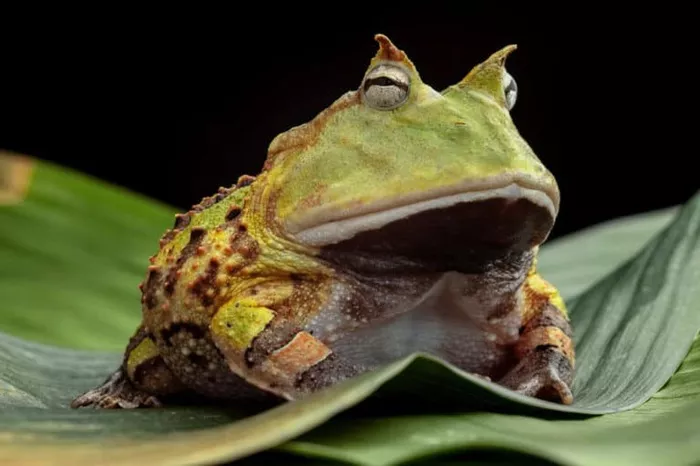
The Argentine horned frog is a fascinating species of amphibian. Known for its large size and distinctive appearance, it is popular among reptile and amphibian enthusiasts. This frog is also called the Pacman frog due to its wide mouth and round body shape. In this article, we will explore its characteristics, habitat, behavior, diet, care in captivity, and other interesting facts.
Scientific Classification
The Argentine horned frog belongs to the Ceratophrys genus. Its scientific name is Ceratophrys ornata. It is part of the family Ceratophryidae. This family is known for its horn-like projections above the eyes and its voracious feeding habits. Knowing the scientific classification helps understand its evolutionary traits and relation to other frogs.
Physical Characteristics
The Argentine horned frog is known for its distinctive horns above the eyes. These horns are actually skin projections that give the frog a fierce look. Its body is round and stout, often reaching 6 to 7 inches in length. The skin color varies, usually green with brown or yellow patterns. These patterns help it blend with leaf litter in the wild.
Size and Weight
Adult Argentine horned frogs can weigh between 300 and 500 grams. Males are usually smaller than females. Their large size makes them one of the most robust frog species. Despite their bulk, they are agile and capable hunters.
Coloration and Markings
These frogs display a variety of colors, including shades of green, brown, and tan. Some individuals have vivid orange or red markings. Their patterns are highly variable, and no two frogs look exactly alike. These markings provide camouflage and help them avoid predators.
Natural Habitat
The Argentine horned frog is native to South America. It is found primarily in Argentina, but its range extends into parts of Uruguay, Brazil, and Paraguay. These frogs prefer humid environments with abundant leaf litter and soil for burrowing. They are often found in grasslands and forest edges.
Climate and Environment
These frogs thrive in subtropical and temperate climates. They need a habitat with high humidity and access to water. Seasonal changes affect their behavior, especially their breeding and feeding patterns. During dry periods, they burrow into the soil to conserve moisture.
Adaptations to Habitat
The Argentine horned frog is an ambush predator. Its coloration and markings help it blend into the environment. It often buries itself in leaves or soil with only its eyes visible. This strategy allows it to surprise prey efficiently.
Behavior and Temperament
Argentine horned frogs are known for their aggressive behavior, especially towards smaller animals. They are solitary creatures and spend most of their time hiding or waiting for prey. In captivity, they can become accustomed to handling but may still snap if threatened.
Hunting and Feeding
These frogs are carnivorous. They feed on insects, small rodents, other frogs, and even birds in some cases. Their large mouths allow them to swallow prey almost as large as themselves. They use a sit-and-wait hunting technique, relying on sudden strikes to capture prey.
Communication
Argentine horned frogs communicate through croaks and body movements. Males call during the breeding season to attract females. Their calls are loud and can be heard over long distances. Communication is essential for mating and territory defense.
Reproduction and Lifespan
The breeding season occurs during the rainy months. Males call to attract females and compete with other males. Females lay hundreds of eggs in shallow water or temporary pools. Tadpoles hatch within a few days and undergo metamorphosis over several weeks.
Lifespan in the Wild and Captivity
In the wild, Argentine horned frogs live around 6 to 10 years. In captivity, with proper care, they can live up to 15 years. Lifespan depends on diet, habitat conditions, and absence of predators. Regular health checks are essential for long-term care.
Diet and Nutrition
In captivity, it is important to mimic their natural diet. They should be fed a variety of insects such as crickets and mealworms. Larger frogs may also eat small rodents. A balanced diet ensures proper growth, health, and longevity.
Feeding Frequency
Young frogs should be fed daily, while adults may eat every 2-3 days. Overfeeding can lead to obesity and health problems. Supplementing with vitamins and calcium is recommended to prevent deficiencies.
Hydration and Water Requirements
Argentine horned frogs need access to fresh water. They absorb water through their skin, so a shallow water dish is sufficient. The water must be clean and changed regularly to prevent infections.
Captive Care and Habitat Setup
Argentine horned frogs are popular pets, but they require specific care. A terrarium with a moist substrate is ideal. The enclosure should provide hiding spots and a shallow water area. Temperature and humidity must be controlled to simulate their natural environment.
Terrarium Size and Substrate
For one adult frog, a 20-gallon tank is recommended. The substrate can include coconut fiber, moss, or soil. These materials help maintain humidity and allow burrowing. Avoid gravel or sand as it can cause ingestion issues.
Temperature and Lighting
Maintain a temperature range of 75–85°F during the day and slightly cooler at night. Lighting should mimic natural day-night cycles. UVB lighting is optional but can improve health and activity levels.
Cleaning and Maintenance
Regular cleaning is essential to prevent bacterial infections. Remove uneaten food and waste daily. Change water and clean the substrate periodically. Proper maintenance ensures a healthy and thriving frog.
Common Health Issues
Argentine horned frogs are prone to obesity and skin infections. Poor diet, inadequate humidity, and contaminated water can lead to illnesses. Regular observation and veterinary care are important for early detection and treatment.
Signs of Illness
Signs include lethargy, lack of appetite, skin discoloration, and swelling. Prompt intervention can prevent serious health problems. Maintaining proper habitat conditions reduces the risk of diseases.
Preventive Measures
Provide a balanced diet, clean water, and a suitable terrarium. Avoid handling excessively and maintain proper hygiene. Quarantine new animals before introducing them to the enclosure to prevent disease transmission.
Interesting Facts About Argentine Horned Frogs
The Argentine horned frog has unique adaptations that make it a remarkable species. Its ability to eat prey nearly as large as itself is fascinating. They can also survive long periods without food by burrowing into the soil. Their appearance has inspired the nickname “Pacman frog” due to their resemblance to the classic video game character.
Role in Ecosystem
In the wild, they play a role as both predator and prey. They control insect populations and provide food for larger predators. Their presence indicates a healthy ecosystem.
Popularity Among Pet Owners
These frogs are popular for their striking appearance and ease of care compared to other exotic pets. They are low-maintenance but require responsible ownership. Their personality and feeding behavior make them fascinating to observe.
Conclusion
The Argentine horned frog is a unique and captivating species of amphibian. Known scientifically as Ceratophrys ornata, it has a distinctive appearance, impressive size, and fascinating behavior. Native to Argentina and surrounding regions, it thrives in humid environments and displays remarkable adaptations for survival. Whether in the wild or captivity, understanding its habitat, diet, and care requirements is essential for ensuring its well-being. Its role in the ecosystem, aggressive feeding habits, and popularity among amphibian enthusiasts make it a species worthy of study and appreciation.
Related topics: