
When it comes to caring for reptiles like the charming Hermann tortoise, diet is one of the first questions keepers ask. You may be wondering: Do Hermann tortoises eat lettuce? The answer is not as simple as you might think, and knowing the truth can help keep your reptile healthy and happy. Read on for the full scoop!
Meet the Hermann Tortoise: A Quick Introduction
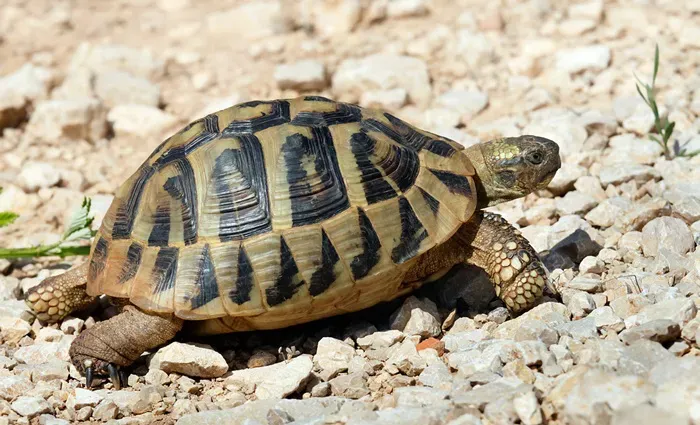
The Hermann tortoise (Testudo hermanni) is a small, land-dwelling reptile found naturally in southern Europe. Think of them as the “gardeners” of their habitat, munching on wild plants and helping maintain ecological balance. As reptiles, Hermann tortoises have unique dietary needs compared to mammals like dogs or cats.
Just like how you wouldn’t feed a rabbit the same food as a parrot, it’s essential to understand what makes a healthy meal for your Hermann tortoise.
Why Diet Matters for Reptiles
A proper diet is crucial for reptiles such as the Hermann tortoise. If you think of their bodies like a car engine, they need the right “fuel” to run smoothly. Feeding them the wrong foods can lead to health issues, just as putting diesel in a gasoline car would cause problems.
Hermann tortoises are herbivores, meaning they eat only plants. But not all plants are equal! Some provide excellent nutrition, while others can be harmful or simply lack what these reptiles need to thrive.
Is Lettuce Good for Hermann Tortoises?
Lettuce often comes up because it’s easy to find and looks like something any tortoise would love. But here’s where things get interesting: most types of lettuce—especially iceberg—are not ideal for Hermann tortoises.
Why? Imagine eating only plain rice every day—sure, you’d feel full, but you’d quickly become weak because rice alone doesn’t have all the nutrients your body needs. In much the same way, lettuce is mostly water and contains very few vitamins or minerals that are vital for a healthy reptile.
Types of Lettuce: Are Any Safe?
Not all lettuces are created equal! While iceberg lettuce is best avoided due to its low nutritional value, darker varieties like romaine or cos offer slightly more vitamins and fiber. However, even these should only be given occasionally and in small amounts.
As one experienced reptile keeper shared: “When I first got my Hermann tortoise, I fed him lots of lettuce because it was convenient. He ate it eagerly but started looking lethargic after a few weeks. My vet explained he needed more variety—now I mix in weeds and flowers, and he’s much more active!”
What Should You Feed Your Hermann Tortoise Instead?
For optimal health, Hermann tortoises need a varied diet high in fiber and calcium. Picture a salad bowl overflowing with dandelion greens, clover, plantain leaves, hibiscus flowers, and even prickly pear cactus pads—this is much closer to their natural menu!
- Dandelion greens: Packed with calcium—think of them as the “milk” of the plant world for reptiles.
- Plantain leaves (not the banana!): Great fiber source.
- Clover: Adds protein and essential nutrients.
- Edible flowers: Hibiscus and nasturtium add color and flavor.
- Weeds from pesticide-free lawns: A natural treat that mimics wild diets.
A sprinkle of calcium powder every week can help prevent shell problems—a common issue if these reptiles don’t get enough of this crucial mineral.
How Often Can Lettuce Be Given?
If your fridge is packed with lettuce and you’re tempted to share with your pet reptile, don’t worry—you can offer small amounts once in a while as a treat. Think of it like giving your child a cookie after dinner: fine occasionally but not something to build meals around.
Remember to wash all greens thoroughly to remove pesticides or chemicals that could harm your tortoise.
What About Other Vegetables?
Other vegetables such as carrots, squash, or zucchini can be offered in moderation but should never form the bulk of your Hermann tortoise’s diet. These foods are like dessert—okay sometimes but not every day!
Avoid feeding spinach or kale too often; they contain substances called oxalates that can block calcium absorption (imagine if your body couldn’t use the milk you drank!).
Hydration: Do Tortoises Need Extra Water?
Because lettuce contains so much water (over 90%), some keepers think it helps hydrate their reptiles. While hydration is important for all reptiles—including Hermann tortoises—it’s better provided by offering clean drinking water daily and soaking your tortoise once or twice a week in shallow water.
Too much watery food can actually cause diarrhea or digestive upset in these slow-moving creatures.
Practical Tips for Feeding Your Hermann Tortoise
- Offer a wide variety of leafy greens and edible weeds.
- Use lettuce sparingly; romaine is better than iceberg but still not ideal as a staple food.
- Always provide fresh water in a shallow dish.
- Supplement with calcium powder to support shell growth.
- Avoid toxic plants (like buttercups) and high-sugar fruits (like bananas).
- Observe your reptile’s behavior—if they seem less active or stop eating, consult an expert!
A Fun Fact From the Field!
Did you know some keepers train their Hermann tortoises using brightly colored edible flowers? The reptiles quickly learn that “red” means hibiscus—a favorite treat! This shows just how smart these little reptiles can be when properly cared for.
Conclusion
So, do Hermann tortoises eat lettuce? Yes—they’ll happily nibble on it if given the chance! But as an expert in reptiles, I recommend making lettuce an occasional snack rather than a main course. For optimal health, focus on diverse leafy greens and wild plants similar to those found in their natural habitats.
By understanding what fuels your reptile best—and why—you’ll unlock years of enjoyment watching your Hermann tortoise thrive. Awesome pets deserve awesome care—don’t miss out on making informed choices for your shelled friend!
Related topics: