
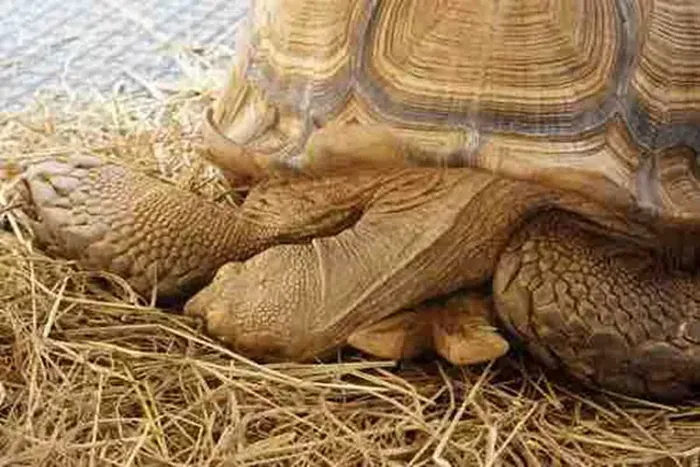
When a beloved reptile like a tortoise passes away, it can be surprisingly emotional. Whether your tortoise was a rescue, a family pet, or part of a research project, its loss leaves questions about what to do next. Don’t worry—this article will guide you through the practical and respectful steps to take after your tortoise dies. Think of this guide as your trusted map through an unfamiliar landscape. We’ll address everything from confirming death to proper handling and honoring your shelled friend. Let’s dive in!
Confirming Death: Is Your Tortoise Really Gone?
First things first: make sure your tortoise has truly passed away. Sometimes, reptiles like tortoises can appear lifeless when they’re actually in deep sleep or brumation (a hibernation-like state). Brumation is like putting your phone on airplane mode—low energy but not off.
- Check for movement: Gently touch the tortoise’s legs or head.
- Look for breathing: Place a mirror near its nostrils; fog means it’s still alive.
- Monitor body temperature: Coldness can signal death, but also brumation.
If you’re unsure, consult a reptile veterinarian—a professional can confirm whether your tortoise has died. According to the Association of Reptilian Veterinarians (ARAV), misdiagnosis of brumation is common among beginners ([ARAV, 2022]).
Handling the Remains: Safety and Respect
Once you’re certain your tortoise has died, handle its body with care. Just like you wouldn’t pick up spoiled food barehanded, always use gloves. This protects you from bacteria and preserves the dignity of your pet.
- Wear disposable gloves to avoid direct contact.
- Place the body in a clean cloth or box—this is similar to wrapping fragile glassware for transport.
- Keep the remains cool: If you need time before burial or disposal, refrigerate (not freeze) the body. Freezing can damage tissues if necropsy (animal autopsy) is needed later.
Reptiles, including tortoises, may carry Salmonella, so wash hands thoroughly after handling ([CDC Reptile Safety Guide]).
Deciding on Burial or Disposal
Home Burial: Creating a Resting Place
Many reptile owners choose home burial for their tortoises. It’s an intimate way to say goodbye—like planting a seed in memory of your pet.
- Choose a quiet spot: Away from water sources and utility lines.
- Dig at least 2 feet deep: This prevents wildlife from disturbing the grave.
- Wrap the tortoise in biodegradable material such as cotton cloth or newspaper.
- Consider marking the spot with a stone or small plaque—a touching tribute.
Remember to check local regulations before burying any animal at home; some areas have restrictions on pet burial.
Professional Cremation and Pet Cemetery Services
If home burial isn’t possible or feels overwhelming, many cities offer pet cremation services. Cremation is like recycling—the body is transformed into ashes that you can keep in an urn or scatter in a favorite place. Pet cemeteries also provide dignified interment for reptiles including tortoises.
Ask your veterinarian about local options; reputable facilities follow strict health protocols ([National Pet Memorial Association]).
Necropsy: Learning From Loss
A necropsy can help uncover why your tortoise died, especially if its passing was sudden or unexplained. Think of it as detective work—a way to protect future pets from similar issues.
- Ask your vet about necropsy services; universities often provide them for educational purposes.
- The findings might reveal illness, parasites, or nutritional problems common in reptiles such as tortoises.
- Sharing results with other reptile keepers can be invaluable; real-life anecdotes from keepers often help build community knowledge and prevent future tragedies ([Herpetology Journal, 2021]).
Emotional Recovery: Honoring Your Tortoise’s Memory
Losing any pet stings—reptiles included! Give yourself permission to grieve. Many reptile owners create memory books or plant special flowers at the burial site. One keeper shared: “We painted stones with our tortoise’s name and favorite foods—it helped us remember his quirks!”
Consider joining online forums where others share stories about their reptiles and their lives with species like tortoises. Support is awesome and you might even make new friends who understand exactly what you’re going through.
Cleaning and Disinfecting Habitat
After a tortoise dies, thoroughly clean its enclosure to prevent disease spread—especially if you own other reptiles such as iguanas or geckos.
- Remove all substrate (bedding) and discard it safely.
- Wash all surfaces with hot water and pet-safe disinfectant—think of this step like spring cleaning after flu season!
- Rinse food bowls and decor items before reusing them for other reptiles.
- Allow everything to dry completely before introducing another animal into the space ([Reptile Habitat Hygiene Guide]).
Learning From Experience: Preparing for Future Reptiles
Every loss brings lessons. Use this experience to improve future care for reptiles—whether it’s another tortoise or a different species like snakes or lizards.
- Review husbandry practices: diet, temperature control, habitat size.
- Consult resources from expert zoologists and veterinarians specializing in reptiles for up-to-date advice ([Zoological Society Papers]).
- Share your experience with fellow keepers—don’t miss out on helping someone else!
Conclusion
Saying goodbye to a cherished tortoise is never easy. By confirming death carefully, handling remains respectfully, choosing appropriate burial or cremation methods, considering necropsy for answers, cleaning habitats thoroughly, and honoring memories emotionally, you navigate this difficult time with dignity and care.
Remember that every reptile owner’s journey includes both joy and sorrow—your compassion sets an example for others who love these remarkable creatures. By learning from each experience with species such as tortoises, you build wisdom that benefits all reptiles in your care.
Related topics: