
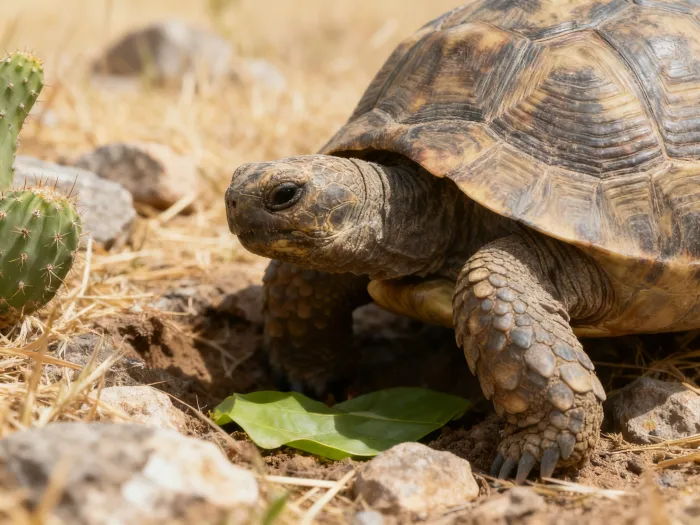
Have you ever wondered, how often do tortoises poop? If you’re a reptile enthusiast or a new tortoise owner, this quirky yet important question probably popped into your mind. The answer isn’t as simple as you might think! Just like humans have different bathroom habits, tortoises—those sturdy, slow-moving reptiles—have their own unique rhythms. Understanding these patterns is crucial for keeping your pet healthy and happy. So, let’s unlock the mystery together!
Why Poop Matters for Tortoises
Pooping isn’t just a bodily function—it’s a vital sign of health in reptiles. For tortoises, regular poop means their digestive systems are working properly. Imagine a car’s engine: if it runs smoothly, you know things are fine; if it sputters or stalls, something is wrong. In the same way, observing your tortoise’s poop schedule gives you clues about its well-being.
How Often Do Tortoises Poop?
Most healthy adult tortoises will poop every 2-3 days. However, this can vary based on their species, age, diet, and environment. For example:
- Young tortoises may poop more frequently—sometimes daily—because their metabolism is faster.
- Older tortoises or those in cooler climates might go once every 4-7 days.
- Species differences: Greek tortoises and Sulcata tortoises can have slightly different rhythms due to diet and habitat.
Don’t panic if your tortoise skips a day or two; it’s normal for these reptiles to be less predictable than mammals. Think of them like slow-cooking stew—sometimes it takes a little longer for things to happen!
Factors Affecting Tortoise Poop Frequency
Diet: The Fuel for Digestion
What your tortoise eats has a big impact on how often it poops. Leafy greens and fiber-rich vegetables keep things moving smoothly. If your tortoise is eating mostly dry pellets or low-fiber foods, pooping may slow down.
“When I switched my Hermann’s tortoise from lettuce to dandelion greens,” says experienced keeper Mark Williams, “his bathroom breaks became more regular—almost like clockwork!”
Temperature: Warmth Equals Activity
Tortoises are cold-blooded reptiles. That means their bodies rely on external heat to function well. If the environment is too cool, digestion slows down—and so does pooping! It’s similar to how you might feel sluggish on a chilly day.
Hydration: Water Makes Everything Work
Dehydration is a common cause of constipation in reptiles. Always provide fresh water and watch for signs of dry stools.
Stress and Health Issues: More Than Just Food
Stressful changes—like moving homes or new tank mates—can upset your tortoise’s routine. Illnesses like parasites can also cause diarrhea or stop pooping altogether.
How Can You Tell If Your Tortoise Is Healthy?
Healthy poop from a tortoise should be firm but not hard, brownish-green in color, and free from undigested food or mucus. Soft, runny stools or very hard droppings can signal problems with diet or hydration.
If you notice dramatic changes in frequency—such as no poop for over a week or sudden diarrhea—it’s time to consult a reptile vet.
Common Myths About Tortoise Poop Frequency
Some people believe that all reptiles have the same bathroom habits. Not true! Unlike snakes or lizards, tortoises are herbivores (plant-eaters), so their digestive systems work differently. Comparing them to rabbits can be misleading; rabbits eat constantly and poop frequently due to their high-fiber diets.
Another myth is that infrequent pooping always means illness. Sometimes, it’s just a result of cooler weather or minor changes in diet.
Practical Tips for Tortoise Owners: Keeping Things Regular
- Offer a variety of leafy greens and fresh vegetables.
- Ensure your reptile enclosure has proper heat sources (like basking lamps).
- Provide clean water daily.
- Observe your pet’s habits; keep a simple log if possible.
- Don’t stress over small changes; focus on long-term patterns.
Awesome tip: Experienced keepers often say, “A happy tortoise is one that poops regularly!”
Real-Life Anecdotes: Trust the Keepers!
Linda Chen, who has raised Russian tortoises for over ten years, recalls: “When my tortoise stopped pooping for five days after we moved apartments, I was worried! But after adjusting the temperature and offering juicy watermelon slices, he returned to his normal routine.”
This kind of hands-on experience shows that patience—and careful observation—are key when caring for reptiles like tortoises.
Conclusion
Understanding how often tortoises poop isn’t just trivia—it’s essential knowledge for anyone interested in reptile care. By paying attention to diet, warmth, water intake, and stress levels, you’ll help your shelled companion stay healthy and comfortable. Remember: each species and individual may have its own unique rhythm.
If you ever notice significant changes or signs of discomfort in your tortoise’s bathroom habits, don’t hesitate to seek advice from experienced reptile keepers or veterinarians. With attentive care and curiosity, you’ll unlock the secrets of reptile health—and enjoy many awesome moments with your tortoise friend!
Related topics: