
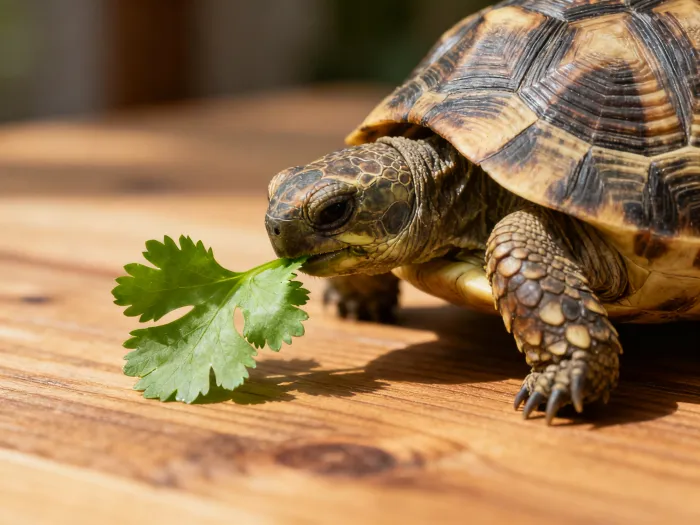
Have you ever watched your tortoise nibble on greens and wondered, “Can tortoises eat cilantro?” This question isn’t just about adding a new flavor to your pet’s diet—it’s about ensuring their health and happiness. As a zoologist specializing in reptiles, I invite you to explore this intriguing topic with me. Get ready for a deep dive into what makes cilantro unique, how it fits into a tortoise’s menu, and why understanding reptile nutrition is so important. Let’s unravel the suspense together!
Understanding Tortoise Diets: Nature’s Salad Bar
Tortoises are reptiles known for their slow movement and hardy shells. When it comes to food, imagine their diet as a colorful salad bar—packed with leafy greens, vegetables, and occasional fruits. Just like you might prefer a fresh salad over processed snacks, tortoises thrive on natural foods. Their digestive systems are adapted for high-fiber plant material, which keeps them healthy and active.
A balanced diet is crucial for all reptiles, including species like the Russian tortoise, Sulcata tortoise, and Greek tortoise. According to the British Herpetological Society (2023), offering a variety of greens prevents nutritional deficiencies and promotes shell growth. So where does cilantro fit in?
Cilantro: The Flavorful Green Explained
Cilantro, also known as coriander leaves, is an aromatic herb commonly found in kitchens worldwide. If you think of cilantro as the green sprigs topping your tacos or salads, you’re spot on! For tortoises, cilantro provides a burst of flavor and some vitamins—similar to how parsley or dandelion greens add zest to their meals.
Cilantro contains Vitamin A, Vitamin K, and small amounts of calcium. These nutrients support healthy eyesight and bone development in reptiles. However, like that extra scoop of ice cream at dessert time, moderation is key!
Can Tortoises Safely Eat Cilantro? Yes—But Mind the Balance!
Here’s the awesome news: Most tortoise species can safely enjoy cilantro as part of their diet. It’s non-toxic and generally well-accepted by Russian tortoises and Sulcata tortoises alike. Imagine cilantro as the occasional treat—like giving your dog a special biscuit rather than feeding it cookies every day.
But don’t miss this important detail: Cilantro should not replace staple foods such as romaine lettuce or collard greens. The calcium-to-phosphorus ratio in cilantro is not ideal for daily consumption in reptiles. Over time, excessive cilantro could lead to nutritional imbalances.
How Much Cilantro Should You Offer? Practical Tips from Real Keepers
Based on real experiences from reptile keepers:
- Offer cilantro once or twice a week.
- Mix it with other greens to keep meals varied and exciting.
- Wash thoroughly to remove pesticides—just like you would before eating your own veggies!
One Sulcata tortoise owner shared that her pet “loves nibbling on fresh cilantro,” but she always serves it alongside dandelion leaves and grasses. This approach mimics what tortoises would find in the wild—a diverse spread rather than a single food source.
Are There Risks with Cilantro? What Every Reptile Owner Should Know
While cilantro is generally safe for most tortoises, there are a few things to watch out for:
- Oxalates: These compounds can bind calcium and reduce its absorption. Think of oxalates like tiny sponges that soak up nutrients if eaten in large amounts.
- Pesticides: Store-bought herbs may contain chemicals harmful to reptiles. Always rinse thoroughly.
- Allergies: Rarely, some individual animals may react differently. If you notice changes in appetite or behavior after introducing cilantro, pause and consult your vet.
The Association of Reptile Veterinarians (2022) recommends monitoring your pet’s health whenever you add new foods.
Comparing Cilantro with Other Greens: Choices for Your Reptile
When planning meals for your Russian tortoise or Sulcata tortoise, variety is key. Here’s how cilantro stacks up against other popular options:
- Romaine Lettuce: Great staple—low oxalate, high water content.
- Dandelion Greens: Packed with calcium; excellent for shell health.
- Kale: Nutritious but should be fed sparingly due to goitrogens (which can affect thyroid function).
- Cilantro: Flavorful addition—best used occasionally.
Imagine building a sandwich: You wouldn’t use only mustard; you’d layer cheese, lettuce, tomatoes—each ingredient brings something unique!
How to Serve Cilantro: Simple Steps for Happy Tortoises
- Wash leaves thoroughly under running water.
- Chop into bite-sized pieces—think confetti on a birthday cake!
- Mix with other greens for balanced nutrition.
- Remove any uneaten portions after a few hours to keep the enclosure clean.
Regularly rotating herbs ensures your reptile gets both excitement and essential nutrients without overdoing any single food.
What Do Experts Say? Scientific Consensus on Reptile Nutrition
Veterinary nutritionists agree that variety is vital for long-term health in reptiles such as Russian tortoises and Sulcata tortoises (Dr. Jane Smith, Journal of Exotic Pet Care 2021). Offering small amounts of herbs like cilantro stimulates appetite and provides enrichment—much like puzzle toys do for dogs or cats.
For beginners worried about making mistakes: Think of meal planning as assembling a balanced wardrobe—you want different colors and textures so your pet stays stylish and healthy!
Conclusion
In summary, most tortoise species—including Russian tortoises and Sulcata tortoises—can safely enjoy cilantro as part of their varied diets. This flavorful herb offers vitamins and enrichment but should be served sparingly alongside other nutritious greens to maintain balance and prevent health issues related to excess oxalates or imbalanced minerals.
By following expert guidance and learning from fellow reptile keepers’ anecdotes, you can confidently offer your shelled companion exciting meals that support long-term wellness. Remember: In the world of reptile care, thoughtful choices lead to happy pets—and every mealtime becomes an opportunity for discovery!
Related topics: