
If you’re planning to leave your home for several days, you might be wondering: Can you leave your tortoise alone for a week? This question is crucial for every reptile enthusiast and pet owner. The answer isn’t as simple as yes or no—let’s dive in and explore the core concerns, just like opening a mysterious treasure chest of reptile wisdom. Awesome discoveries await!
Understanding Tortoises: Not Just Slow Movers
Tortoises, members of the reptile family, are often compared to living tanks—tough on the outside but surprisingly sensitive on the inside. Unlike cats or dogs, these creatures have unique needs. Their slow pace isn’t just about movement; it reflects their careful approach to food, water, and environment. Leaving a tortoise alone isn’t just about setting out food and water—it’s about understanding their biology and daily habits.
Basic Needs: Food, Water, and Environment
Food Supply: Like Packing Lunches for a Week
Think of your tortoise as a picky eater at a picnic. Most adult tortoises can go without food for several days thanks to their slow metabolism (the body’s engine speed), but young or sick individuals may suffer without daily meals. Experts recommend providing enough fresh vegetables and greens before you leave, arranged so they stay crisp longer. But remember, spoiled food can attract pests and cause health issues.
Water Access: More Than Just Filling a Bowl
Imagine leaving a cup of water out on a hot summer day—it evaporates quickly! Tortoises need access to clean water at all times. If you’re away, use large, shallow dishes that won’t tip over easily. Automatic water dispensers (similar to those used for rabbits) can help maintain hydration. Dehydration is dangerous and can sneak up silently, much like forgetting to water a houseplant.
Temperature & Light: The Sunbathing Ritual
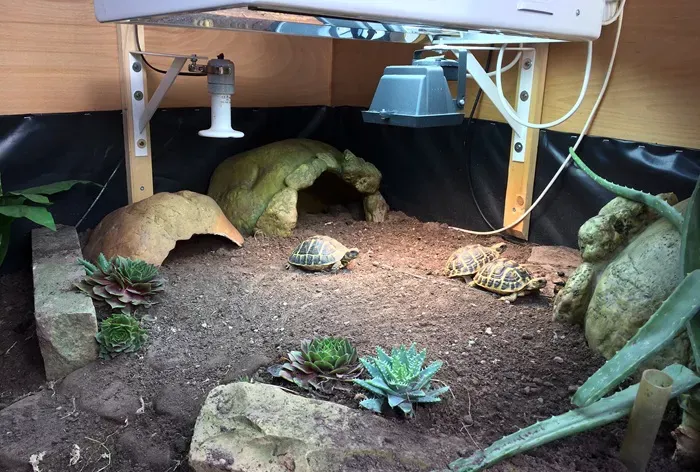
Tortoises rely on warmth and light to digest food and stay healthy. If your home has stable temperatures (between 22-30°C or 72-86°F), they’ll be more comfortable. Timers for heat lamps or UVB lights are essential—think of them as alarm clocks that never forget! Without proper lighting, tortoises can become lethargic and develop health problems.
Safety Concerns: What Could Go Wrong?
Leaving your reptile alone is like leaving a slow-moving robot in charge of its own care—things might go smoothly, but unexpected issues can arise:
- Escape Risks: Tortoises are escape artists! Secure enclosures are vital.
- Predators or Pests: Even indoors, insects or rodents might pose threats.
- Accidents: Water spills or lamp failures could create hazards.
Experienced keepers often share stories—one zookeeper recalls how his Russian tortoise managed to tip over its water dish three times in one week! Don’t miss these hidden challenges when planning your absence.
Preparation Checklist: Setting Up for Success
Here’s how to prepare your tortoise’s habitat before heading out:
- Clean the enclosure thoroughly.
- Provide extra bedding (soil or coconut fiber) to maintain humidity.
- Arrange food in separate piles to minimize spoilage.
- Set up automatic timers for lamps.
- Test water dispensers and secure dishes.
- Ask a trusted friend or neighbor to check in if possible—like having a babysitter who speaks “reptile” fluently!
Young vs. Adult Tortoises: Age Matters
Juvenile tortoises (under 5 years old) need more frequent feeding and monitoring than adults. Think of them as energetic toddlers compared to laid-back retirees. If you must leave a young tortoise alone, shorten the time as much as possible or arrange daily check-ins.
Real-Life Anecdotes: Wisdom from Keepers
Many experienced reptile owners share that adult Hermann’s tortoises have survived solo stretches with careful preparation—one keeper reports her Mediterranean tortoise even thrived during her five-day business trip thanks to automated lighting and extra greens left in cool spots. However, another keeper found that his sulcata tortoise became stressed after only three days without human interaction, emphasizing that personality matters too.
Alternatives: Pet Sitters and Boarding Facilities
If you’re anxious about leaving your beloved reptile alone, consider hiring a reptile-savvy pet sitter or boarding at an exotic animal facility. These services offer peace of mind—like having an expert pilot fly your precious cargo safely through the week!
Conclusion: Responsible Choices for Reptile Owners
Leaving your tortoise alone for a week is possible under certain conditions—but it requires thoughtful preparation and an understanding of their unique needs as reptiles. By ensuring access to fresh food, clean water, stable temperature, and secure housing, you set the stage for their well-being during your absence. Remember, every species—from sulcata tortoises to Russian tortoises—has its quirks. Take time to plan ahead so your pet can thrive even when you’re away!
Ultimately, responsible ownership means knowing when it’s safe to leave your tortoise solo—and when it’s wiser to ask for help. With careful planning and expert advice from fellow keepers, you’ll unlock the secrets to stress-free travel while keeping your reptile happy and healthy.
Related topics: