
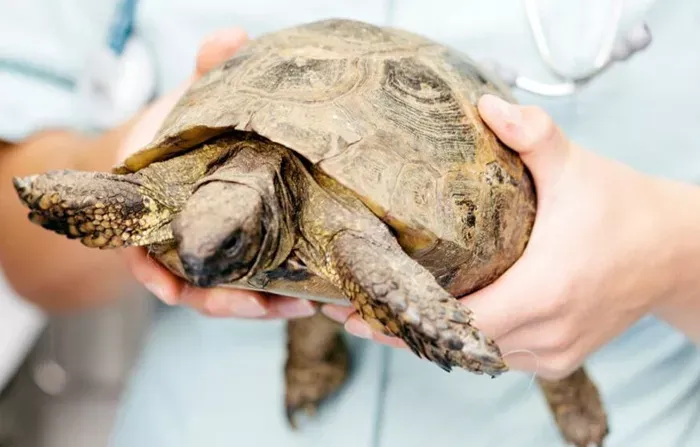
If you’ve ever watched a tortoise lumber across its enclosure and wondered, “Does it enjoy being picked up?”—you’re not alone. This is a core question for reptile enthusiasts and beginners alike. Handling reptiles, especially tortoises, is often compared to petting a cat or dog, but is it really the same? Today, let’s unlock the mystery behind which tortoises actually like to be handled. Spoiler alert: Not all do, and some might surprise you! Read on for the inside scoop—don’t miss it!
Understanding Tortoise Behavior: More Than Just a Shell
Tortoises are unique reptiles with personalities as varied as their shell patterns. Unlike furry pets that often seek out cuddles, tortoises have hard shells—think of it like wearing armor all day! Their senses are different too; they rely on touch, smell, and sight in ways that might surprise you. According to research from the British Chelonia Group, most tortoises are naturally shy and cautious when interacting with humans (British Chelonia Group, 2022).
Species Spotlight: Which Tortoises Are More Sociable?
Let’s break down which species of tortoise might enjoy your company—and gentle handling—the most.
Russian Tortoise (Agrionemys horsfieldii)
Russian tortoises are small, hardy reptiles often described as “the puppy dogs of the tortoise world.” Their curious nature means they’re more likely to approach you and tolerate handling—like a dog coming over for a scratch behind the ears. Many keepers report that their Russian tortoises recognize familiar faces and even stretch out their legs when gently picked up.
Greek Tortoise (Testudo graeca)
Greek tortoises are another beginner-friendly species. They’re moderately social and may enjoy short periods of handling if done gently. Think of them as a reserved friend who appreciates company but doesn’t want too much attention.
Red-Footed Tortoise (Chelonoidis carbonarius)
Red-footed tortoises are famous for their vibrant coloring and outgoing personalities. Many owners say these reptiles will approach humans for treats or gentle pats on the shell—almost like a parrot seeking out interaction. However, handling should be brief to avoid stressing them out.
Why Some Tortoises Dislike Handling
Not every tortoise enjoys being picked up or carried around. Imagine if someone lifted you off the ground without warning—it can be startling! Species like the Sulcata (African spurred) tortoise and Leopard tortoise tend to be more reserved. Their larger size and natural instincts mean they may feel threatened by frequent handling.
Most wild tortoises view hands as potential predators. This instinct helps keep them safe in nature but can make them wary of human touch in captivity. Remember: building trust takes time!
How to Handle Tortoises Safely: Tips for Happy Reptiles
If you want your reptile companion to feel comfortable, follow these simple steps:
- Gentle Approach: Move slowly and let your tortoise see you coming—think of it as giving someone a friendly wave before a handshake.
- Support Their Shell: Always support both ends of the shell with your hands. Never pick them up by their limbs; it’s uncomfortable and can cause injury.
- Short Sessions: Limit handling to just a few minutes at a time. Watch for signs of stress like rapid breathing or hiding.
- Respect Boundaries: If your tortoise retreats into its shell or tries to hide, give it space—just like you’d back off if someone needed personal time.
Real-Life Anecdotes: What Keepers Say
Long-time reptile keeper Lisa Martinez recalls her Russian tortoise “Boris” actually following her around the room and stretching his neck out for gentle scratches. On the other hand, her Sulcata “Tank” prefers solitude and only tolerates brief interactions before wandering off. These anecdotes highlight how individual personalities play a huge role in how much a tortoise enjoys being handled.
The Role of Environment: Stress-Free Zones Make Happier Reptiles
A comfortable environment can make all the difference. Just like humans relax at home, tortoises thrive in well-designed enclosures with plenty of hiding spots and soft substrates (ground covering). If your reptile feels safe, it’s more likely to tolerate occasional handling—and maybe even enjoy it!
Building Trust Takes Time: Patience Is Key
Think of earning a tortoise’s trust like growing a friendship—it doesn’t happen overnight! Regular gentle interactions help your reptile feel secure around you. Over weeks or months, some may become quite sociable, while others remain reserved—and that’s perfectly okay.
Conclusion: Enjoying Reptile Companionship Responsibly
In summary, Russian tortoises, Greek tortoises, and Red-footed tortoises are among the most likely to enjoy gentle handling—especially when their individual personalities are respected. Larger species or those with shy temperaments may prefer minimal contact. As with all reptiles, patience and observation are key; don’t rush the process! By understanding their needs and boundaries, you’ll unlock an awesome partnership with your shelled companion.
Whether you’re new to reptiles or an experienced keeper looking for deeper connection with your tortoise, remember that every animal is unique. Respecting their preferences leads to happier pets—and more rewarding experiences for both of you!
Related topics: