
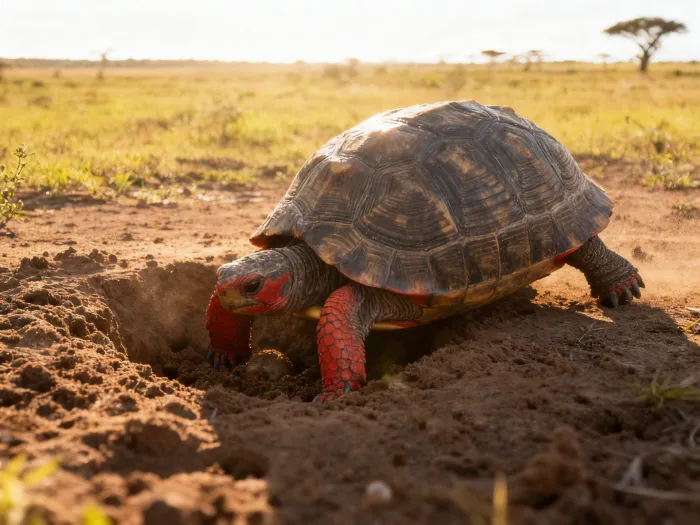
Have you ever wondered when the fascinating redfoot tortoise, one of the most popular reptiles among keepers, decides to lay eggs? If you’re new to reptiles or just starting out with redfoot tortoises, this question is essential for ensuring their health and happiness. Let’s dive into the world of these gentle giants and uncover their secrets—don’t miss it!
Meet the Redfoot Tortoise: A Rainforest Resident
The redfoot tortoise (scientific name: Chelonoidis carbonarius) hails from the lush rainforests and savannas of South America. Known for their striking red or orange scales on their legs (like tiny lanterns!), these reptiles are sturdy, adaptable, and surprisingly sociable. If you imagine them as rainforest explorers with a built-in shield, you’re not far off!
Redfoot tortoises have become favorites among reptile enthusiasts due to their manageable size and engaging personalities. Their reproductive cycle is a key part of their care, so understanding when they lay eggs is crucial.
Understanding Egg-Laying: Timing and Triggers
Seasonal Cycles—Nature’s Calendar
Just like how flowers bloom in spring or bears hibernate in winter, redfoot tortoises follow seasonal cues to lay eggs. In their native habitat, egg-laying usually happens during the rainy season—typically from March to July. This timing ensures that hatchlings emerge when food and moisture are plentiful. Imagine setting an alarm clock to the rhythm of the rain; that’s how nature signals these reptiles!
In captivity, however, things can be a bit different. With controlled environments, some keepers report egg-laying at various times of the year, especially if humidity and temperature mimic rainforest conditions. According to experienced breeders, consistency in warmth (around 26-29°C) and humidity (70-80%) can encourage females to lay eggs even outside their usual wild schedule.
Signs Your Redfoot Tortoise Is Ready to Lay Eggs
If you’re watching your own redfoot tortoise, what clues should you look for? Think of it as spotting signs before a big event:
- Restlessness: Females may pace around more than usual, searching for a perfect nesting spot—like someone rearranging furniture before guests arrive.
- Digging Behavior: They use their strong back legs to dig shallow holes in loose soil or substrate.
- Decreased Appetite: Some females eat less right before laying eggs.
- Change in Posture: Their shell might look slightly raised at the back due to developing eggs inside.
These behaviors usually appear a few weeks before actual egg-laying. As one seasoned reptile keeper shared: “My redfoot tortoise always starts exploring corners and making small pits about three weeks before she lays her clutch.”
Nesting: The Perfect Spot Matters
Redfoot tortoises are picky about where they lay eggs. In the wild, they seek moist but well-drained areas—think of it like finding just the right spot for planting seeds in your garden. In captivity, providing a mix of coconut fiber and sandy soil works well. The substrate should be deep enough (about 10–15 cm) so she can dig a proper nest.
After laying eggs—usually between 4–12 per clutch—the female carefully covers them with soil for protection. This nesting ritual is vital for successful incubation.
Incubation: Waiting for Hatchlings
Once eggs are laid, incubation begins. It’s similar to waiting for cookies to bake—temperature and humidity must be just right! At around 28–30°C (82–86°F), incubation typically lasts 90–150 days. Lower temperatures result in longer incubation times and can affect hatchling gender—a phenomenon known as temperature-dependent sex determination (TSD), common among reptiles.
For example, higher incubation temperatures often produce more females, while cooler conditions favor males—a quirky biological twist! As Dr. Susan Evans, a noted herpetologist, explains: “It’s one of nature’s clever ways of balancing populations.”
Challenges and Successes: Real-Life Stories from Keepers
Egg-laying isn’t always straightforward. Sometimes females retain eggs if conditions aren’t ideal—a problem called dystocia. Experienced keepers suggest monitoring humidity closely and offering calcium-rich diets to avoid complications.
One breeder recalls: “The first time my redfoot laid eggs was nerve-wracking! She paced for days before finally settling on a corner under her favorite plant.” Such anecdotes highlight how patience and observation pay off when caring for these reptiles.
Why Understanding Egg-Laying Matters
Knowing when your redfoot tortoise lays eggs helps you:
- Prepare safe nesting areas,
- Monitor health,
- Support successful breeding,
- And ultimately enjoy the wonder of new hatchlings!
Whether you’re a beginner or an experienced reptile enthusiast, unlocking this knowledge leads to happier pets and thriving clutches.
Conclusion: The Joys of Redfoot Tortoise Breeding
In summary, redfoot tortoises typically lay eggs during rainy seasons in the wild but may adjust schedules in captivity if conditions are favorable. By watching for behavioral signs and providing optimal nesting environments, you can support your reptile’s natural cycle—and maybe even witness the magic of new life emerging from those hidden nests!
Reptiles like the redfoot tortoise remind us that nature operates on its own beautiful rhythms. Stay curious, observe closely, and celebrate every stage—from restless digging to tiny hatchlings exploring their world. Awesome discoveries await every reptile keeper!
Related topics: