
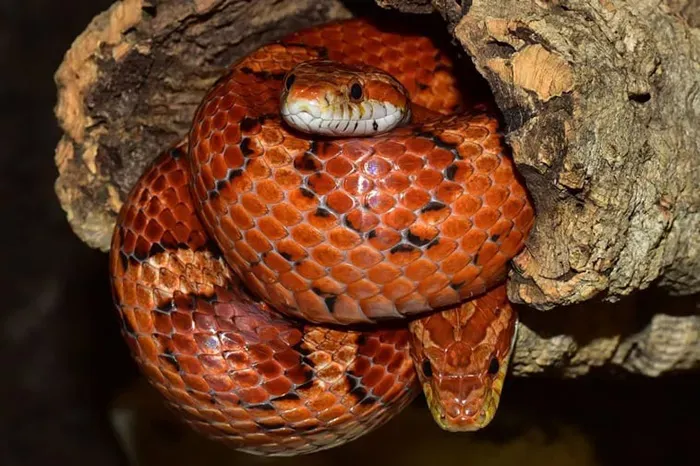
If you’re a reptile enthusiast or just starting your journey with corn snakes, you’ve probably wondered: Can corn snakes eat mealworms? This seemingly simple question has sparked debates among keepers and even puzzled some experienced zoologists. Today, let’s unravel the mystery together—because feeding your pet the right food is just as important as choosing a comfortable habitat. Prepare for a surprising answer that could change how you care for your corn snake!
Understanding Corn Snake Diets
Corn snakes (Pantherophis guttatus) are one of the most popular reptiles kept as pets. Their calm nature and vibrant patterns make them favorites among beginners and seasoned keepers alike. But what do these fascinating reptiles actually eat?
In the wild, corn snakes typically feast on small rodents, birds, and occasionally amphibians. Think of their diet like a buffet at a family gathering—mostly filled with mice, sometimes sprinkled with other treats. Their digestive systems are specialized for breaking down vertebrate prey, which means animals with backbones, like mice and lizards.
What Are Mealworms?
Mealworms aren’t worms at all—they’re the larvae of the darkling beetle (Tenebrio molitor). If you imagine a crunchy French fry but for reptiles and birds, you’re not far off! Mealworms are widely used as food for many reptiles, amphibians, and even some birds because they’re easy to breed and store.
Mealworms are high in protein but also have a tough outer shell called “chitin,” which can be difficult for some animals to digest. For comparison, it’s like eating popcorn with the husks left on—some people enjoy it, but others find it tough on their stomachs.
Can Corn Snakes Safely Eat Mealworms?
Here’s the million-dollar question: Should you feed mealworms to your corn snake? The answer is mostly no.
Corn snakes are adapted to eating whole prey items like mice. Their digestive system is not designed to break down the hard chitin found in mealworms. If you try offering mealworms to your corn snake, they may ignore them entirely or struggle to digest them. Imagine trying to eat a plate of rocks instead of spaghetti—it just doesn’t work!
Veterinary experts (see Dr. Frances Baines, Reptile Nutrition Symposium, 2020) caution against using mealworms as a regular part of corn snake diets. There have been anecdotes from reptile keepers where young snakes attempted to eat mealworms but ended up regurgitating them or developing digestive issues.
Potential Risks of Feeding Mealworms
- Digestive Blockages: The tough chitin can cause blockages in the intestines of corn snakes.
- Nutritional Imbalance: Mealworms don’t provide the right balance of calcium and phosphorus that corn snakes need for bone health.
- Low Acceptance: Most corn snakes simply won’t recognize mealworms as food.
A well-known keeper once joked: “My corn snake stared at the mealworm like it was an alien invasion!”—a humorous way to highlight their natural disinterest.
Alternative Foods for Corn Snakes
So what should you feed your corn snake instead?
- Mice: The gold standard! Available frozen or live (frozen-thawed is safer).
- Small Rats: Suitable for larger adult corn snakes.
- Occasional Chicks or Lizards: Only if recommended by an experienced veterinarian.
Think of mice as the “bread and butter” of your corn snake’s diet—the classic choice that keeps them healthy and thriving.
When Might Mealworms Be Useful?
There’s one rare scenario: If you have a hatchling (baby) corn snake that refuses to eat mice, some keepers have tried rubbing a pinky mouse (baby mouse) with a mealworm to transfer scent. This can trick picky feeders into accepting their first meal. But remember, this is more like using spices on food—not serving an entire plate of mealworms!
Expert Recommendations and Citations
According to the Corn Snake Care Sheet published by The British Herpetological Society (2021), “Corn snakes require whole prey items for balanced nutrition; insects such as mealworms do not meet their dietary needs.” Similarly, Dr. Mark O’Shea’s Reptiles of the World (2017) notes that insect-based diets can lead to malnutrition in colubrid species like corn snakes.
Conclusion: Keep It Simple for Your Corn Snake
In summary, while mealworms are a popular snack for many reptiles, they’re not suitable food for corn snakes. Feeding them mealworms is like offering salad to a tiger—it’s just not what they’re built to eat! Stick with mice and other appropriately sized vertebrates for optimal health. Your corn snake will thank you with vibrant colors and lively behavior—awesome!
If you ever have doubts about what’s best for your reptile friend, consult an experienced herpetologist or veterinarian specializing in reptiles. Don’t miss out on giving your corn snake the best care possible—after all, their wellbeing is in your hands!
Related topics: