
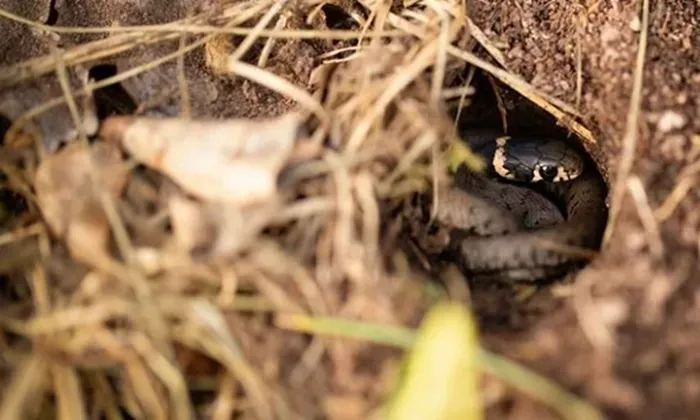
Have you ever wondered, as you stroll through a lush forest or gaze at a sandy desert, if snakes are lurking nearby? It’s a common curiosity, especially since reptiles like snakes are found almost everywhere on Earth. But here’s the twist: there are places where snakes simply don’t live. Why is that? Let’s unlock this mystery together and discover where these fascinating creatures aren’t found—get ready for some surprising facts!
Snakes: Masters of Adaptation, but Not Invincible
Snakes, belonging to the reptile family, are famous for their adaptability. Like chameleons blending into their surroundings, many snake species can survive in rainforests, grasslands, deserts, and even cities. However, just as fish can’t survive out of water, there are environments that are simply too harsh or unsuitable for snakes.
The Frozen Frontier: Why Snakes Avoid Cold Regions
Snakes are cold-blooded reptiles. This means they rely on external heat sources to regulate their body temperature. Imagine trying to keep warm by standing outside in the snow without a coat! That’s how snakes feel in extremely cold climates. As a result:
- Polar Regions: No snake species live in Antarctica or the Arctic Circle. Temperatures here can drop far below freezing year-round, making survival impossible for these heat-loving reptiles (Zoological Society of London).
- High Mountain Peaks: Mountain tops like the Himalayas or Andes also remain snake-free. The cold and thin air act like natural barriers—think of these peaks as locked rooms with no keys for snakes.
Isolated Islands: When Geography Blocks Snakes
Sometimes, it’s not just temperature but also isolation that keeps snakes away.
- Ireland: One of the most famous examples is Ireland. Legend says St. Patrick chased all the snakes away, but scientists believe it’s more about geography—snakes never made it across water after the last Ice Age (National Geographic).
- New Zealand: Despite having many unique reptiles (like skinks), New Zealand is naturally snake-free due to its isolation and lack of suitable migration paths.
- Iceland: This volcanic island is another snake-free zone; its climate and isolation have kept these reptiles at bay.
Just imagine trying to reach a party across a moat with no bridge—that’s how impossible it is for snakes to get to these islands!
Saltwater Barriers: Oceans and Seas as Natural Walls
Oceans act as giant walls that most land-dwelling snakes cannot cross. While sea snakes thrive in warm tropical waters, land-based species can’t swim long distances in saltwater.
- Remote Oceanic Islands: Many small islands scattered across vast oceans remain untouched by terrestrial snakes simply because they’re too far from any landmass.
- Sea Snakes vs. Land Snakes: It’s important to note that only certain species, like sea kraits and true sea snakes (Hydrophiinae), have adapted to life in the ocean.
Urban Environments: Rare Exceptions
While some urban areas may have snake populations, extremely dense cities with little green space often lack suitable habitats for reptiles like snakes. For example:
- Skyscraper-Dominated Downtowns: Cities such as Manhattan (New York City) rarely have wild snake populations due to concrete landscapes and high human activity.
- Snake Encounters: However, don’t be surprised if you see an occasional garter snake slithering through a suburban garden! Urban environments may not be ideal but aren’t always entirely snake-free.
Anecdotes from Reptile Keepers: Real-Life Encounters
One seasoned reptile keeper from Iceland shared online: “People often ask if I’ve seen wild snakes here—but honestly, our climate is just too cold and unpredictable for them.” Another Irish herpetologist joked, “If you spot a wild snake in Ireland, you’ve probably spotted someone’s escaped pet!” These stories highlight how local conditions shape what species can thrive where.
Conclusion: Nature’s Boundaries Shape Snake Distribution
In summary, while reptiles like snakes are incredibly adaptable creatures found on almost every continent, their absence from places like Antarctica, high mountain peaks, isolated islands such as Ireland and New Zealand, and certain urban environments shows how powerful natural barriers can be. Next time you travel or explore nature, remember—snakes need specific conditions to survive. Their absence in some regions is just as fascinating as their presence elsewhere! Understanding these boundaries not only helps us appreciate nature’s complexity but also deepens our respect for these remarkable reptiles.
Related topics: