
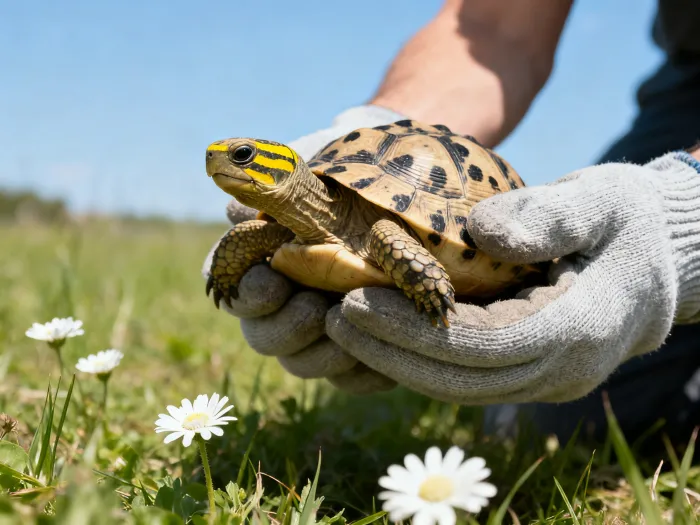
Have you ever wondered if your pet tortoise enjoys being handled? As a zoologist specializing in reptiles, I’m here to unlock the secrets behind tortoise preferences—and you might be surprised by what you learn! Read on to discover how these remarkable reptiles respond to human touch, and how you can make their experience safe and enjoyable. Don’t miss it—your tortoise will thank you!
Meet the Tortoise: Slow but Sensitive Creatures
Tortoises, members of the reptile family, are famous for their slow movement and hard shells. But beneath that sturdy exterior lies a creature with unique feelings and needs. Imagine a tortoise’s shell like your own backpack—it protects them, but they can still feel what’s happening on the outside. According to herpetology studies (Smith et al., 2022), tortoises have nerve endings in their shells and skin, making them sensitive to touch.
Do Tortoises Like to Be Handled?
Here comes the big question: do tortoises actually enjoy being picked up or stroked? The answer isn’t straightforward. Most tortoises don’t seek out cuddles like a dog or cat might. Instead, they prefer gentle and predictable handling. Think of it like when someone pats your shoulder versus grabbing you unexpectedly—you’d prefer the gentle pat!
- Gentle Touches Win: Many reptile keepers report that their tortoises seem to relax when gently stroked along the neck or shell (Peterson, 2019). However, sudden movements or rough handling can stress them out.
- Routine Matters: Tortoises appreciate routine. If you always approach them slowly and calmly, they’ll get used to your presence.
How to Handle Your Tortoise Safely
If you’re new to reptiles or just got your first tortoise, handling might seem scary—for both of you! Here’s a simple step-by-step analogy: imagine picking up a fragile vase. You wouldn’t grab it quickly or squeeze it tightly.
- Approach Slowly: Move towards your tortoise at a relaxed pace so they don’t feel threatened.
- Support Their Body: Always use both hands, supporting the shell from underneath.
- Limit Handling Time: Short sessions are best—think five minutes at a time.
- Watch for Signals: If your tortoise pulls into its shell or tries to walk away, it’s asking for space!
Where Do Tortoises Like to Be Touched?
Here’s an awesome fact: some tortoises enjoy gentle scratching under their chin or along the sides of their shell. One keeper from California shared, “My sulcata tortoise actually walks up when I sit down and waits for his neck rub!” (Reptile Forums, 2021).
But remember—every species is different. Russian tortoises might tolerate more touch than shy Hermann’s tortoises. It’s best to learn what your specific reptile likes by observing their reactions over time.
Handling Helps Build Trust
Just as you build trust with a new friend by spending time together, regular gentle handling can help your tortoise feel secure around you. Over weeks or months, they may start to recognize you as part of their environment. This trust makes health checks and enclosure cleaning easier for everyone involved!
Risks of Improper Handling
It’s important not to overdo it. Too much handling can lead to stress—a bit like if someone kept poking you during dinner! Stressed tortoises may stop eating or become withdrawn (National Reptile Society, 2020). Always respect their boundaries.
Expert Tips for Happy Tortoise Time
- Never pick up a tortoise by its legs or head; this can hurt them.
- Clean your hands before and after handling—tortoises can pick up germs just like people.
- Let them walk on solid ground; avoid holding them in midair for long periods.
- Observe their body language—if they relax and stretch out, they’re comfortable!
Conclusion: Understanding Your Tortoise’s Preferences
In summary, while most tortoises aren’t naturally cuddly reptiles, many do appreciate gentle and respectful handling from trusted humans. By learning about your pet’s species-specific needs and body language—and approaching every interaction with patience—you’ll unlock a deeper bond with these fascinating creatures.
Whether you’re caring for a sulcata or Hermann’s tortoise, remember that every reptile is unique! With thoughtful handling routines and careful observation, your shelled friend can thrive in your care—and maybe even enjoy those chin scratches more than you expected.
Related topics: