
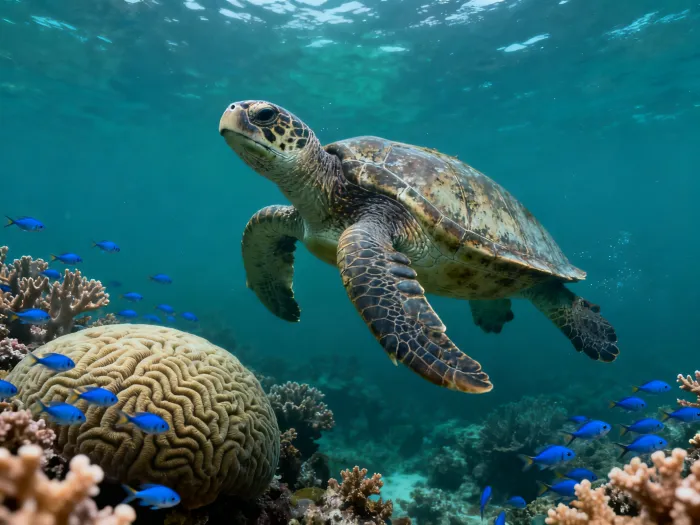
Have you ever wondered what creature has been around the longest on our planet? It’s an awe-inspiring question that tickles the imagination and invites us to explore the depths of natural history. When you think about old animals, maybe you picture a slow-moving tortoise, or perhaps a mysterious deep-sea fish. But which species truly claims the crown as the oldest living animal on earth? Let’s embark on this journey together to discover not just numbers and facts, but also stories that breathe life into these ancient beings.
To kick things off, let’s clarify what we mean by “oldest living animal.” Are we talking about individual animals with the longest lifespans, or species that have existed for millions of years? In this article, we’ll cover both: individuals who have lived for centuries and species whose lineage stretches back to prehistoric times. That way, you’ll get a complete picture of age in the animal kingdom, from turtles to corals to some unexpected contenders. The world of reptiles is especially fascinating here, because many of these cold-blooded creatures are masters at surviving for decades—sometimes even centuries. Get ready for some jaw-dropping facts!
Ancient Reptiles: Giants of Longevity and Survival
When it comes to longevity, reptiles often steal the spotlight. Why? Their slow metabolism is like a car running on low fuel—it helps them conserve energy and avoid wear and tear over time. Let’s start with a famous example: the Galápagos giant tortoise (Chelonoidis nigra). These gentle giants can live well over 100 years, with some individuals documented at more than 175 years old! To put it in perspective, imagine a tortoise born before electricity was common still strolling around today. That’s not just impressive—it’s downright mind-blowing.
Another superstar in reptile longevity is Jonathan, a Seychelles giant tortoise who lives on the island of Saint Helena. Jonathan was born around 1832—yes, you read that right! According to Guinness World Records, he is currently recognized as the oldest known living land animal. He’s seen generations come and go, survived wars and changing climates, all while munching on his favorite greens. If you ever visit Saint Helena, don’t miss your chance to meet this living relic!
But tortoises aren’t alone in their ancient glory. Crocodiles also deserve a mention. The saltwater crocodile (Crocodylus porosus) can live up to 70–100 years in the wild. These fearsome reptiles have been around since the time of dinosaurs; their ancestors survived mass extinctions and evolved little over millions of years. Think of them as time capsules—living fossils whose very bodies are shaped by Earth’s distant past.
Let’s break down why reptiles like tortoises and crocodiles live so long:
- Slow metabolism: Like a smartphone in power-saving mode, reptiles use less energy and age more slowly.
- Protective shells or tough skin: These help avoid injuries and infections.
- Low reproductive rates: Investing energy in survival rather than rapid reproduction pays off in longevity.
As a zoologist specializing in reptiles, I’ve heard countless anecdotes from keepers amazed by their ancient charges. One zookeeper told me about a sulcata tortoise named “Grandpa,” who outlived three generations of caretakers—and still seemed spry enough to chase after his favorite strawberries! Such stories highlight not just their age but their enduring charm.
Beyond Reptiles: Other Champions of Longevity Across Animal Kingdoms
While reptiles impress us with their lifespans, they’re not alone in vying for the title of oldest living animal on earth. To truly answer our core question, we need to look at other contenders—some hidden deep beneath ocean waves or tucked away in remote forests.
Bowhead whales (Balaena mysticetus) are marine mammals that can live over 200 years! Scientists discovered this by analyzing old harpoons lodged in whale blubber—some dating back to the 19th century. Imagine carrying around your own personal historical timeline! Bowhead whales’ ability to repair damaged DNA helps them resist aging better than most mammals.
Then there’s Ming, an ocean quahog clam (Arctica islandica), who was discovered off Iceland’s coast and found to be over 500 years old. Picture something alive during Shakespeare’s time still filtering seawater today—that’s almost magical! These clams grow extremely slowly and have simple bodies that avoid wear and tear.
Let’s not forget about corals like black coral (Leiopathes sp.), which can live for more than 4,000 years according to radiocarbon dating studies (see NOAA reports). Corals may not look exciting at first glance—they’re just rock-like structures underwater—but they are colonies made up of tiny animals called polyps. Each polyp lives only a few years, but together they build up massive structures that last millennia.
For comparison:
- Reptiles (e.g., Galápagos giant tortoise): Up to 200 years.
- Mammals (e.g., bowhead whale): Over 200 years.
- Mollusks (e.g., ocean quahog): Over 500 years.
- Cnidarians (e.g., black coral): Over 4,000 years.
Each group has unique ways of surviving long-term:
- Whales repair their DNA like fixing potholes on an old road.
- Clams bury themselves safely away from predators—like locking yourself in your room during a storm.
- Corals build layer upon layer over centuries—a bit like stacking Lego bricks forever!
Learning about these ancient animals isn’t just cool—it helps scientists unlock secrets about aging that could benefit humans one day. According to research published in “Nature,” studying DNA repair mechanisms in bowhead whales could inform anti-aging treatments for people (Nature Communications, 2015).
The Evolutionary Tale: Why Do Some Animals Live So Long?
Now that we know which animals are record-holders for longevity, let’s dig deeper into why they live so long. It isn’t just luck—there are scientific reasons rooted in evolution and biology.
First off, slow growth rates play a key role. Animals like giant tortoises grow steadily over decades instead of sprinting through life like rabbits or mice. Slow growth means less stress on organs and tissues—a bit like driving at moderate speeds instead of racing down the highway all day. As a result, damage accumulates more slowly.
Second, habitat matters. Many long-lived animals live in stable environments with few predators or major changes. For instance:
- Giant tortoises inhabit isolated islands where threats are minimal.
- Ocean quahogs bury themselves deep under mud where few creatures bother them.
- Corals thrive undisturbed under calm seas for centuries at a time.
Third is genetics—the blueprint for survival. Some species have special genes that boost cell repair or resist diseases better than others. This genetic lottery gives them an edge against aging:
- Bowhead whales possess unique DNA sequences for repairing cellular damage caused by old age (see “Science” magazine article from 2017).
- Tortoises have robust immune systems that fight off infections efficiently.
- Certain corals can regenerate lost polyps without skipping a beat!
Here’s an analogy: Imagine your body as a classic car. If you drive carefully, store it indoors (safe environment), and tune up its engine regularly (good genes), it’ll last much longer than if you race it through muddy roads every day!
Finally, there’s something called “negligible senescence.” This means some animals show almost no signs of aging—they don’t get weaker or sicker as they get older. Tortoises are famous for this; they keep going strong until very late in life.
From my own experience working with reptiles at conservation centers, I’ve seen how careful husbandry—providing proper food, shelter, and healthcare—can help these ancient beings thrive even longer than expected. One keeper shared how her Aldabra giant tortoise developed new shell markings after turning 100—a beautiful testament to ongoing vitality!
Fascinating Stories From Real-Life Reptile Keepers: Wisdom Passed Down Through Generations
There’s nothing quite like hearing firsthand accounts from those who care for these remarkable creatures every day. Let’s peek behind the scenes at some fascinating anecdotes from reptile keepers worldwide:
In Madagascar, local villagers tell tales of radiated tortoises outliving entire family trees! These tortoises (Astrochelys radiata) are revered not just for their beauty but also their wisdom—elders say they carry secrets of the forest within their shells.
A zookeeper at the Honolulu Zoo recalls how their Galápagos giant tortoise “Aloha” has become an institution—children visit year after year to feed her lettuce leaves while parents reminisce about doing the same decades earlier. It’s almost as if Aloha bridges generations by simply being present year after year—a living link to history!
Reptile keepers often develop emotional bonds with their charges because caring for such old animals requires patience and respect. One keeper described how her sulcata tortoise would “knock” gently on her shoe when hungry—a quirky behavior passed down from older keepers who used similar cues to communicate with these gentle giants.
In Australia’s Northern Territory, indigenous rangers share legends about saltwater crocodiles protecting sacred waterholes for hundreds of years; some elders claim specific crocs are recognized by unique markings passed down through oral tradition.
These stories aren’t just heartwarming—they highlight how deeply intertwined humans are with ancient reptiles like giant tortoises and crocodiles. By caring for them responsibly and learning from their habits, we honor both science and culture alike.
Unlocking Secrets From Nature: How Studying Ancient Animals Can Help Us All
So why does knowing about earth’s oldest living animals matter? Beyond satisfying curiosity or winning trivia contests, understanding these ancient species provides valuable lessons:
- Longevity research: Scientists study long-lived animals to learn how they resist aging—a key step toward improving human health and lifespan (see “Cell Reports,” 2018).
- Conservation efforts: Protecting species like Galápagos giant tortoises helps preserve genetic diversity crucial for adapting to climate change or disease outbreaks.
- Cultural heritage: Ancient animals often become symbols within local communities—connecting people across generations through shared stories and traditions.
- Environmental indicators: Long-lived species act as “canaries in the coal mine”; changes in their health reflect shifts in ecosystems that might affect us all.
- Educational inspiration: Meeting an ancient animal face-to-face inspires wonder—a powerful way to spark interest in science among young learners!
For example, ongoing research into bowhead whale genetics could unlock clues about cancer resistance or tissue regeneration—imagine applying those findings to human medicine! Similarly, studying coral longevity helps scientists understand how marine ecosystems respond to pollution or warming seas (see NOAA Coral Reef Conservation Program).
On a personal note as a reptile expert: Watching elderly tortoises bask under heat lamps reminds me daily how patience pays off—not just for animals but for people too! Their steady rhythms offer lessons on resilience amid change—a message especially relevant today as we face environmental challenges together.
Conclusion: Timeless Lessons From Earth’s Eldest Creatures
The search for the oldest living animal on earth leads us through sun-drenched islands where giant tortoises roam; icy oceans where bowhead whales glide silently; muddy seabeds sheltering century-old clams; and coral reefs pulsing with millennia-old life forms—all reminders that nature is both fragile and enduring beyond our wildest dreams.
Whether you’re drawn by reptile longevity or curious about oceanic mysteries, one thing stands clear: Studying these ancient survivors enriches our understanding not only of biology but also of ourselves as stewards of this planet. So next time you see a slow-moving tortoise or hear tales about legendary crocodiles guarding riverbanks, remember—you’re glimpsing history alive before your eyes!
If you ever get a chance to visit conservation centers or aquariums featuring these record-holders, seize it! Not only will you unlock amazing insights into nature’s design—you’ll also join generations who’ve marveled at earth’s oldest living animals across centuries past…and hopefully many more yet to come!
Related topics: