
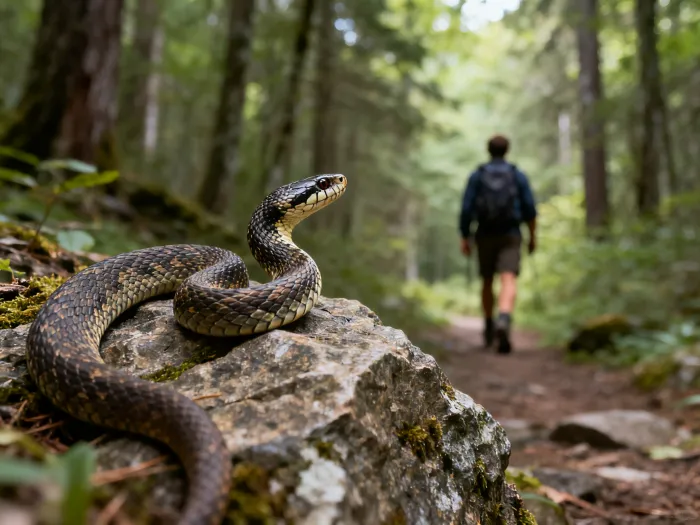
Have you ever wondered if snakes are actually scared of humans? Imagine walking through a forest or your backyard and suddenly spotting a snake slithering away. Is it running from you because it’s afraid? This question intrigues many reptile enthusiasts and everyday nature lovers alike. As a zoologist specializing in reptiles, I’m here to unravel this mystery, using simple language and relatable examples so you can understand these fascinating creatures better. Snake behavior is a core keyword in this article, and we’ll explore how it relates to their interactions with humans.
Reptile Instincts: Why Snakes React to People
Snakes are reptiles, which means they rely heavily on instinct. Think of instinct as a built-in alarm system—just like you might jump at a sudden loud noise, snakes react quickly to threats. Most species of snakes, from the common garter snake to the majestic king cobra, have evolved to avoid predators. To a snake, a human is a giant unknown creature. Would you feel comfortable if something 100 times your size walked toward you? Probably not! That’s how most snakes feel when encountering people.
Fight or Flight: Snake Responses Explained
When faced with danger, animals typically choose one of two options: fight or flight. Snakes overwhelmingly prefer flight—they’d rather escape than confront a human. For example, the timid ball python often curls into a tight ball when frightened (hence its name), making itself look smaller and less noticeable. This is similar to how you might hide under the covers during a thunderstorm! On the other hand, more aggressive species like rattlesnakes may hiss or rattle their tails as a warning—but even then, they usually want to avoid direct contact.
Human Encounters: What Really Happens
Most documented encounters between humans and snakes show that snakes try to flee whenever possible. According to research published in Herpetological Conservation and Biology, wild snakes observed near hiking trails almost always moved away from approaching people (Smith et al., 2018). Even venomous species like the copperhead will retreat rather than attack unless cornered or threatened. In fact, many experienced reptile keepers share stories of snakes hiding under logs or rocks when visitors approach their enclosures—almost as if playing hide-and-seek!
Snakes’ Senses: How They Detect Us
How do snakes know when you’re nearby? Unlike mammals, snakes don’t have sharp eyesight or hearing. Instead, they rely on smell and vibrations. Think of it like feeling the bass from a speaker thumping through the floor—snakes sense vibrations through their bodies when you walk near them. Their forked tongues “taste” chemical particles in the air, helping them figure out what’s around. When those signals indicate something big and unfamiliar (like you!), their natural reaction is caution and avoidance.
Common Misunderstandings About Snake Aggression
Some people believe snakes are aggressive toward humans, but this is rarely true. Most attacks occur only when a snake feels trapped or threatened—imagine if someone cornered you suddenly! Studies show that even notorious species like the black mamba prefer escape over confrontation (Spawls & Branch, 2020). By understanding this behavior, we can reduce unnecessary fear and learn how to interact safely with these reptiles.
Anecdotes from Real Reptile Keepers
Experienced reptile keepers often notice that their pet snakes avoid being handled unless they feel secure. One keeper described his corn snake “vanishing” behind decorations every time guests visited—a classic sign of nervousness around unfamiliar humans. Another story involves an iguana owner who noticed her reptile moving slowly on cold days; she compared it to us feeling sluggish in winter! These real-life anecdotes highlight that reptiles—including snakes—are sensitive to changes in their environment and prefer safety over confrontation.
The Role of Education: How Knowledge Changes Attitudes
Learning about snake behavior helps reduce fear for both people and reptiles. Programs at zoos and wildlife centers often teach visitors about the importance of respecting snake habitats and recognizing warning signs. This kind of education has been shown to lower bite incidents and increase appreciation for reptiles (National Geographic, 2022). Remember: awesome discoveries await those who seek to understand these misunderstood animals!
Conclusion: Understanding Leads to Respect
So, are snakes scared of humans? The answer is yes—most snakes would rather run than risk an encounter with something as large and unpredictable as a person. By appreciating their natural instincts and learning how they perceive us, we can foster safer interactions for both sides.
The next time you see a snake slither away at your approach, remember: it’s not trying to attack—it’s simply choosing safety over risk. Don’t miss the opportunity to unlock more amazing facts about reptiles by staying curious and respectful in your encounters.
Related topics: