
Have you ever spotted a snake slithering across your yard and wondered, What is the best thing to keep snakes away? If so, you’re not alone! Many people are concerned about reptiles like snakes invading their homes or gardens. As a zoologist specializing in reptiles, I’ll walk you through proven, practical strategies. Let’s unlock the secrets to keeping snakes away—don’t miss these awesome tips!
Understanding Snakes: Why Do They Visit Your Space?
Snakes, much like cats searching for a cozy nook, are always on the lookout for food, shelter, and warmth. Common species like garter snakes, rat snakes, and even the infamous green iguana (though technically not a snake, but a reptile) may venture into human spaces for these reasons. If you can make your environment less attractive—think of it as making your house less appealing to unwanted guests—you’re already on the right track.
Keep It Clean: The Power of Yard Maintenance
Imagine your yard as a buffet for snakes. Tall grass, piles of leaves, and scattered debris are like free snacks and hiding spots. Regularly mowing the lawn, trimming bushes, and clearing away clutter make it harder for reptiles such as snakes to settle in. According to the National Wildlife Federation, keeping your yard tidy is one of the simplest yet most effective ways to discourage snakes (NWF, 2023).
Seal Entry Points: Block Their Path Like Closing Doors
Just as you would close doors to keep stray dogs out, sealing gaps in your home’s foundation, garage doors, and around pipes prevents snakes from sneaking inside. Use caulk or weatherstripping for small cracks and sturdy mesh for larger holes. A fellow reptile keeper once told me that after sealing his shed with hardware cloth, he never saw another rat snake inside.
Remove Food Sources: No Free Lunches Here!
Snakes often follow their stomachs—especially species like rat snakes that hunt rodents. By managing rodent populations and storing pet food securely, you eliminate their main attraction. Bird feeders can also attract rodents; consider placing them far from the house or using squirrel-proof designs.
Natural Repellents: Smells That Make Snakes Say “No Thanks”
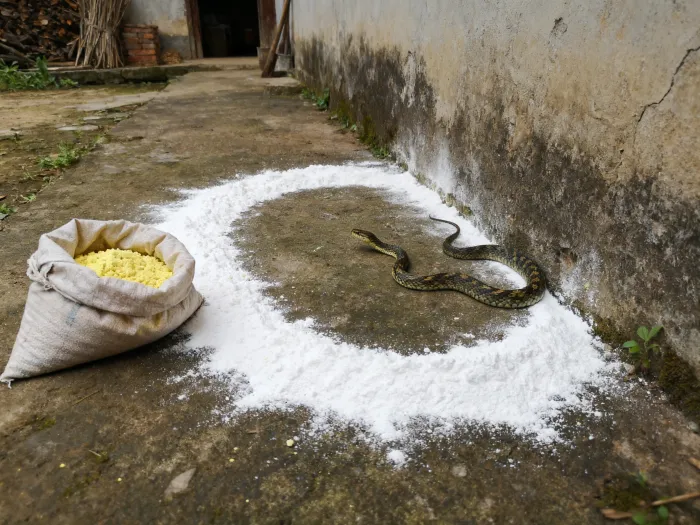
Some homeowners swear by natural repellents like garlic spray or clove oil. These strong smells can be off-putting to many reptiles including common snake species. While scientific evidence is mixed (University of Florida Extension), anecdotal reports from reptile enthusiasts suggest that spreading sulfur powder or using commercially available snake repellents around property borders can help.
Physical Barriers: Fencing That Works Like a Shield
Specialized snake-proof fencing made of fine mesh (no bigger than ¼ inch) can act like an invisible shield around your garden or chicken coop. Make sure it’s buried at least six inches into the ground so sneaky snakes can’t dig underneath! According to experienced herpetologists at the Smithsonian’s National Zoo, proper installation is key for these barriers to work.
Pets and Predators: Nature’s Security System
Believe it or not, some pets—like outdoor cats or certain breeds of dogs—can deter snakes by simply being present. Chickens are also known to peck at small reptiles if they wander too close. However, always supervise pets around wild animals for everyone’s safety.
What Doesn’t Work: Myths Busted!
You might hear that mothballs or fake owls will scare away all types of reptiles and snakes. Unfortunately, these are more myth than magic. Studies by university reptile researchers show mothballs can be toxic but aren’t reliable snake deterrents (Texas A&M AgriLife Extension).
Real-Life Anecdotes: Lessons from Reptile Keepers
One seasoned reptile enthusiast shared with me: “After I started composting in a sealed bin instead of an open pile, I saw far fewer garter snakes in my garden.” Another said that switching from wood piles stacked against the house to a raised metal rack dramatically reduced visits from local rat snakes.
Conclusion: Your Action Plan Against Snakes
Keeping snakes away isn’t about fear—it’s about understanding their needs and removing temptations. By maintaining a clean yard, sealing entry points, removing food sources, using natural repellents and physical barriers, and learning from fellow reptile keepers’ experiences, you’ll create an environment where snakes simply don’t want to hang out.
Awesome! With these expert strategies—and just a bit of regular attention—you’ll keep your home safe from unwanted reptile visitors like garter snakes or rat snakes. Remember: knowledge is your best defense!
Related topics: