
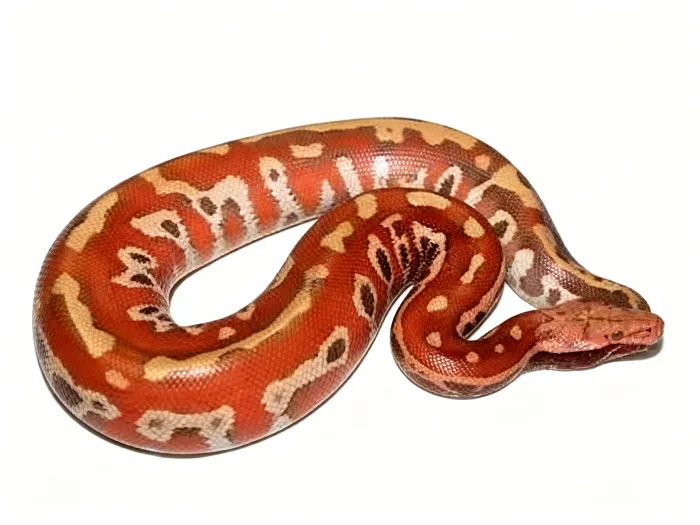
Imagine wandering through a steamy Southeast Asian swamp at dusk. Suddenly, you spot a strikingly colored, thick-bodied snake gliding through the marsh—its skin glowing with fiery reds and oranges. This is no ordinary reptile; it’s the blood python (Python brongersmai), a species that has fascinated zoologists and reptile enthusiasts alike. But what sets this python apart from its relatives, and why does it capture so much attention? Let’s dive into its world and unravel the secrets behind its captivating appearance and behavior.
Overview of Reptiles and the Blood Python’s Place Among Them
Reptiles are cold-blooded vertebrates that rely on external heat sources to regulate their body temperature. Think of them like solar-powered gadgets—they need sunlight or warmth to “charge up” and get moving. Within the vast order of reptiles, snakes are among the most diverse, with pythons standing out for their size and strength. The blood python, scientifically named Python brongersmai, belongs to the Pythonidae family—a group known for powerful constrictors rather than venomous bites.
Taxonomy and Naming: Understanding the Blood Python’s Identity
The scientific name Python brongersmai honors Dutch herpetologist Leo Brongersma, reflecting a tradition in zoology of recognizing influential researchers (Pauwels et al., 2000). Until around the year 2000, this species was considered just a subspecies of Python curtus. However, further studies elevated it to full species status due to distinct differences in anatomy and genetics.
Common names for this snake include:
- Blood python
- Malaysian blood python
- Sumatran blood python
- Red short-tailed python
These names often refer to its vibrant coloration or geographic origin.
Distribution and Habitat: Where Does the Blood Python Live?
Native to Southeast Asia, Python brongersmai thrives in regions like western Malaysia, Sumatra, Thailand, Vietnam, and surrounding islands (IUCN, 2021). It prefers marshes and tropical swamps within forests—think of these areas as nature’s version of a cozy waterbed, perfect for a snake that enjoys humid environments. Elevations range from sea level up to about 650 meters (2,130 feet).
Physical Characteristics: A Visual Feast of Colors
One glance at a blood python reveals why it’s so admired. Adults typically measure between 91–180 cm (36–72 in), with females tending to be larger than males. Some exceptional individuals reach lengths up to 240 cm (94 in). Unlike slender snakes you might see in movies, blood pythons are robust—almost chunky! If you picture a loaf of bread compared to a baguette, you’re on the right track.
Their coloration is simply stunning: rich reds and oranges dominate, but some individuals show yellows or browns. Yellow and tan blotches streak along the body, with black spots rising up the flanks. The belly is white with scattered black markings; the head is typically grayish with a signature white stripe behind each eye. This striking pattern makes them highly sought after by collectors.
Behavior: When Do Blood Pythons Come Alive?
Blood pythons are crepuscular—most active during dawn and dusk. So if you’re an early riser or someone who enjoys twilight strolls, you might just catch one in action! In captivity, keepers have noticed that these snakes can be surprisingly docile if raised from a young age. However, wild-caught adults tend to be more unpredictable—like meeting a street-smart city dweller versus a laid-back suburbanite.
Reproduction: How Do Blood Pythons Raise Their Young?
This species is oviparous—meaning females lay eggs rather than giving birth to live young. A single clutch can contain up to 30 eggs! Here’s an awesome fact: after laying her eggs, the female coils around them and shivers her body to generate heat (like wrapping yourself in a blanket and shivering when cold). This helps incubate the eggs at just the right temperature until they hatch.
Lifespan: How Long Do Blood Pythons Live?
With proper care in captivity, blood pythons can live up to 20 years—a long commitment for any reptile enthusiast! Their lifespan reflects their resilience but also highlights the importance of responsible husbandry practices (source: experienced keepers’ anecdotal reports).
Commercial Trade: From Leather Goods to Pet Hobbyists
Blood pythons have been harvested extensively for their leather, fueling both legal and illegal trade across borders (Nijman et al., 2012). There are concerns over sustainability due to underreporting and misdeclaration in trade records. On the pet side, captive-bred blood pythons are becoming increasingly popular thanks to their mild temperament and dazzling colors. Herpetoculturists now favor these snakes over wild-caught individuals—a shift that could help reduce pressure on wild populations if managed responsibly.
Interesting Anecdotes from Keepers
Veteran reptile keeper Sarah J., who’s cared for dozens of blood pythons over two decades, recalls: “My first blood python was an Indonesian juvenile; he grew up into a gentle giant who loved lounging under his heat lamp. But when I tried caring for an older wild-caught adult from Malaysia, he was much more defensive—a reminder that upbringing matters!” Such real-world insights help demystify these amazing reptiles.
Conservation Status: Are Blood Pythons Threatened?
According to the International Union for Conservation of Nature (IUCN), Python brongersmai is currently listed as ‘Least Concern’. However, ongoing commercial harvests—especially for leather—and habitat loss remain threats that could affect future populations if not monitored closely.
Conclusion: Why Should You Care About Blood Pythons?
Blood pythons (Python brongersmai) represent one of Southeast Asia’s most visually stunning reptiles. Their bold coloration, impressive size, and unique behaviors make them both intriguing study subjects for zoologists and rewarding pets for responsible keepers. Understanding their biology not only enriches our appreciation for reptiles but also emphasizes the importance of ethical conservation practices—so these awesome snakes continue enchanting us for generations.
If you ever get the chance to see a blood python up close—don’t miss it! Whether you’re an aspiring herpetologist or simply curious about reptiles, learning about this fascinating species unlocks new perspectives on nature’s diversity.
Related topics: