
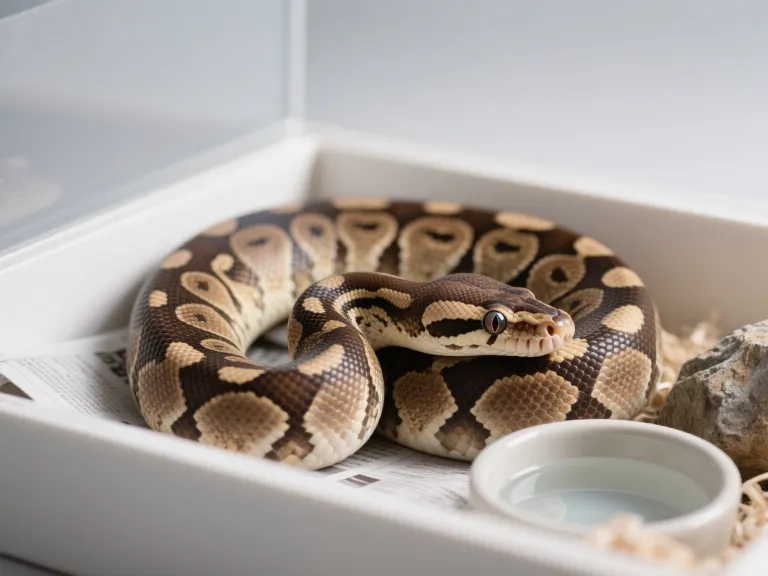
Are you fascinated by reptiles and considering adding a ball python to your collection? If so, you’re not alone! The ball python (Python regius) is one of the most popular pet snakes worldwide, prized for its manageable size, gentle temperament, and striking appearance. But where can you actually buy a ball python—and what should you know before making this exciting commitment? Let’s unlock the answers together.
Understanding Ball Pythons: The Basics
Before diving into where to buy a ball python, let’s get acquainted with this remarkable reptile. The ball python is native to West and Central Africa, thriving in grasslands and open forests. It earns its name from its unique defensive behavior—when frightened, it curls tightly into a ball, much like tucking yourself under a blanket when startled. This nonvenomous constrictor is the smallest African python species, typically reaching up to 182 cm (about six feet).
Ball pythons are celebrated for their docile nature. Unlike some snakes that bite when threatened, these reptiles prefer to hide their heads in their coils—a trait that makes them easier to handle and ideal for beginners.
Where Can You Buy a Ball Python?
1. Reputable Pet Stores
Most large pet stores carry reptiles, including ball pythons. Think of these stores as supermarkets for animals—you’ll find everything from food to enclosures in one place. However, while convenience is appealing, it’s crucial to ensure the store sources healthy, captive-bred specimens rather than wild-caught ones. Wild-caught ball pythons may struggle with adaptation and often carry parasites.
2. Specialized Reptile Breeders
If you’re looking for variety or specific “morphs” (unique color patterns), specialized breeders are your best bet. Imagine breeders as artists—each working on creating new patterns and colors through careful selection. There are over 7,500 morphs available today! Visiting breeder websites or reptile expos lets you interact directly with experts who can answer your questions about care and genetics.
“My first ball python was from a local breeder who walked me through every step of care,” shares Jamie Lee, an experienced keeper.
3. Online Marketplaces
Websites like MorphMarket or Kingsnake.com connect buyers with breeders across the country. Shopping online is like browsing an endless catalog—you can compare prices, morphs, and reviews all in one place. Always verify that sellers comply with legal regulations and offer healthy animals with clear documentation.
4. Reptile Expos & Shows
Reptile expos are community events where enthusiasts gather to buy, sell, and learn about reptiles. Attending an expo is like going to a farmer’s market but for reptiles—you see the animals up close and chat with seasoned keepers. Don’t miss out if an expo comes to your city!
Key Considerations Before Buying
Conservation Status & Ethics
The ball python is listed as Near Threatened by the IUCN due to over-collection for the pet trade and habitat loss. Responsible buyers should always choose captive-bred individuals over wild-caught ones—this helps protect wild populations and ensures healthier pets.
Legal Requirements
Some regions require permits or have restrictions on owning exotic reptiles like ball pythons. Check local laws before purchasing; reputable sellers will guide you through any necessary paperwork.
Health & Husbandry
Healthy ball pythons should have clear eyes, smooth scales, and no signs of mites or respiratory issues (like wheezing). Ask sellers about feeding habits—these snakes thrive on rodents such as mice or rats—and ensure they provide care sheets or guidance.
Fun Fact: The oldest recorded ball python lived 62 years at the Saint Louis Zoo!
How Much Does a Ball Python Cost?
Prices vary widely depending on age, morph (color pattern), and source:
- Standard morphs from pet stores: $40–$80 USD.
- Designer morphs from breeders: $100–$10,000+ USD!
- Adoption fees at rescues: usually less than retail prices.
Don’t forget setup costs—enclosures, heating pads (think of them as cozy beds!), hides, water bowls—all add up but are essential for your snake’s health.
Why Choose Captive-Bred Over Wild-Caught?
Captive-bred ball pythons adapt better to life in captivity—they’re less stressed (imagine moving into a home built just for you) and more likely to eat regularly. Wild-caught snakes may refuse food or carry diseases; supporting captive breeding also helps conserve wild populations threatened by poaching.
Tips for First-Time Buyers
- Research reputable breeders or stores before buying.
- Inspect the snake’s health in person if possible; ask lots of questions!
- Request documentation proving captive breeding.
- Prepare your enclosure ahead of time—think warm hides and secure lids.
- Join online forums or local reptile clubs for support (the community is awesome!).
Conclusion: Make Your Choice Wisely
Buying a ball python isn’t just about picking out a beautiful reptile—it’s about making an informed decision that supports ethical practices and sets you up for success as an owner. Whether you choose a pet store, breeder, online marketplace or expo, prioritize captive-bred animals for both conservation reasons and your own peace of mind.
Remember: owning a reptile like the ball python can be deeply rewarding if approached thoughtfully. Take your time researching sources; ask questions; connect with other keepers—and soon enough you’ll unlock the joy of caring for one of nature’s most fascinating creatures!
Related topics: