
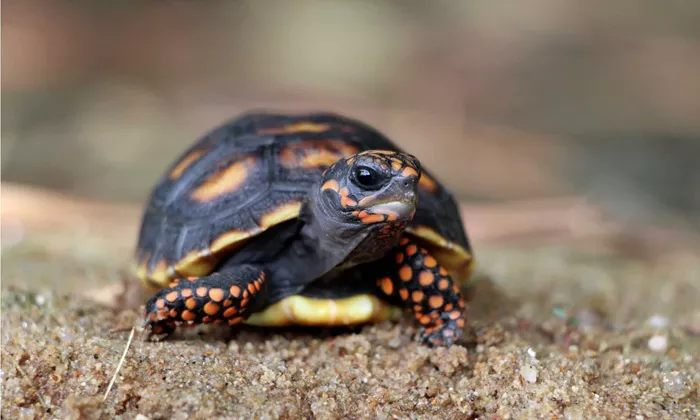
Imagine spotting a red-footed tortoise slowly crawling through the humid forests of South America. Suddenly, you notice that there’s little food around. You might ask yourself: How long can this tortoise survive without eating? This is more than just a curious question—it’s a real concern for tortoise owners and reptile enthusiasts.
Red-footed tortoises (Chelonoidis carbonarius) are famous for their bright red or orange markings and their remarkable resilience. In the wild, food is not always plentiful, and these reptiles have developed strategies to survive lean periods. Understanding how long they can go without food—and how to care for them during these times—is essential for their health and longevity.
In this guide, you’ll learn about the natural diet of red-footed tortoises, the factors that influence their ability to fast, and tips for pet owners to manage periods of reduced food intake safely. We’ll also share real-life anecdotes and practical advice so you can provide the best care for your tortoise.
Understanding Red-Footed Tortoises
What Are Red-Footed Tortoises?
Red-footed tortoises are medium-to-large terrestrial reptiles found primarily in tropical forests and savannas across northern South America. They are easily recognizable by the bright red or orange scales on their legs, head, and sometimes shell, which is how they got their name.
These tortoises are herbivorous with an omnivorous twist. They mainly eat plant material but occasionally consume small invertebrates, which provides extra protein. Their lifestyle is mostly ground-dwelling, and they prefer moderate temperatures and humidity to stay healthy.
Think of red-footed tortoises as nature’s slow movers with built-in survival tools. Their bodies are designed to digest high-fiber plants efficiently, store energy, and survive periods when food is scarce. This natural adaptation is what allows them to fast for weeks without major health problems—under the right conditions.
Natural Diet and Feeding Habits
In the wild, red-footed tortoises are opportunistic feeders, meaning they eat whatever is available. Their diet includes:
Fruits: Papaya, mango, guava, and berries provide energy and hydration.
Leaves and Greens: Dandelion leaves, clover, collard greens, and other leafy vegetation supply fiber for digestion.
Flowers: Edible blossoms, like hibiscus, add variety and micronutrients.
Animal Matter: Insects, snails, and worms offer protein, but are not a staple.
Imagine it like a buffet in the forest. The tortoise eats what’s available and moves on. This variety not only provides essential nutrients but also helps them store energy for times when food is less abundant.
How Long Can a Red-Footed Tortoise Go Without Food?
Factors Affecting Fasting Ability
Not all tortoises can survive the same length of time without food. Several factors influence how long a red-footed tortoise can go:
Age and Size
Young tortoises (juveniles) have higher metabolic rates because they’re growing rapidly. They need frequent meals. Adult tortoises have slower metabolisms and can last longer without eating.
Health Status
Healthy tortoises store energy in their bodies more efficiently. Sick or weak tortoises may become malnourished quickly if deprived of food.
Environmental Conditions
Temperature and humidity affect metabolism. In colder or drier environments, the tortoise’s metabolism slows, which can extend their fasting tolerance slightly.
Hydration
Access to water is crucial. Dehydration is more dangerous than temporary food deprivation. Tortoises can survive longer without food if they have water.
Typical Fasting Duration
A healthy adult red-footed tortoise can survive several weeks to a few months without food, depending on the factors above. This endurance comes from slow metabolism, fat reserves, and low energy demands.
However, it’s important to remember: this doesn’t mean you should test their limits. Just like you wouldn’t go weeks without eating to “train” your body, depriving a tortoise intentionally can cause stress, nutritional deficiencies, and long-term health problems.
Analogies to Understand Fasting
Think of a red-footed tortoise like a hybrid between a marathon runner and a storage container.
- The “marathon runner” part is its ability to keep moving and foraging slowly without burning too much energy.
- The “storage container” part is its body fat and efficient digestion, which acts like an internal pantry for tough times.
This analogy helps explain why they can endure periods without food but still need a balanced diet in the long term.
Risks of Prolonged Fasting
While fasting is possible, extended periods without food carry risks.
Health Implications
Nutritional Deficiencies
Tortoises deprived of food lack essential vitamins and minerals. This weakens the immune system and slows shell growth.
Dehydration
Even if they have stored energy, water is essential. Without it, organ function can deteriorate quickly.
Organ Stress
Prolonged fasting forces the body to use fat and muscle for energy, potentially stressing the liver, kidneys, and heart.
Behavioral Changes
During periods of food deprivation, tortoises may display:
Lethargy: They move less to conserve energy.
Reduced Appetite: When food is reintroduced, they may be slow to eat.
Aggression: Hunger can sometimes trigger competitive or defensive behavior.
For example, one tortoise owner reported that their adult red-footed tortoise, after missing a week of meals due to a holiday, became very slow and hesitant, only gradually resuming normal activity when fed fresh greens and fruits.
How to Manage Fasting in Captivity
Establishing a Feeding Schedule
To prevent health issues, maintain a consistent feeding routine:
Juveniles: Feed daily to support growth.
Adults: Feed every other day to mimic natural patterns and prevent obesity.
Providing consistent, balanced meals helps the tortoise maintain energy stores and reduces stress during occasional fasting periods.
Diet Recommendations
A balanced diet includes:
Leafy Greens: Collard greens, mustard greens, dandelion leaves.
Fruits: Papaya, mango, berries for energy and hydration.
Vegetables: Carrots, squash, bell peppers.
Protein: Occasional insects or lean meat for adult tortoises.
Avoid overfeeding fruit, as excessive sugar can cause digestive problems.
Hydration Is Key
Water is as important as food. Always provide:
- A shallow water dish for drinking.
- Occasional soaking baths to maintain hydration.
- A humid enclosure if possible, especially for young tortoises.
Water supports digestion and allows the tortoise to utilize stored nutrients efficiently during short fasting periods.
Real-Life Examples from Tortoise Owners
Maria’s Tortoise: She reported that her adult red-footed tortoise survived a 3-week trip when she left it with minimal greens. The tortoise drank water regularly and stayed active.
John’s Juvenile Tortoise: Missed a few days of meals due to travel. The young tortoise became lethargic and refused to eat immediately after. This shows juveniles are less tolerant of fasting.
These anecdotes highlight the importance of age, hydration, and prior health in determining fasting tolerance.
Signs That Your Tortoise Needs Immediate Care
Even though they can fast, certain signs indicate danger:
- Sunken eyes or dry skin (signs of dehydration)
- Soft shell or slow healing wounds
- Extreme lethargy or refusal to move
- Vomiting or abnormal feces
If any of these occur, consult a veterinarian immediately.
Conclusion
Red-footed tortoises are amazing survivors. Their slow metabolism, fat reserves, and ability to handle occasional food scarcity allow them to endure weeks, sometimes months, without food.
However, this ability is not a substitute for proper care. A healthy diet, regular feeding, and proper hydration are essential to prevent stress, nutritional deficiencies, and long-term health problems. By understanding their survival strategies, you can provide the best environment and care, ensuring your tortoise thrives for decades.
Related topics: