
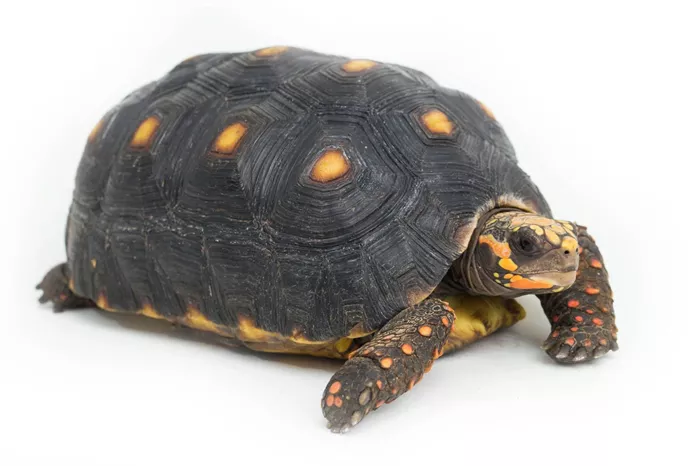
Have you ever wondered what your red-footed tortoise munches on in the wild? These fascinating creatures, native to the tropical forests of South America, are omnivores. This means they enjoy a varied diet that includes fruits, vegetables, and even small animals. Understanding what vegetables are safe and beneficial for them is crucial for their health and well-being.
In this comprehensive guide, we’ll explore the best vegetables for red-footed tortoises, how to prepare them, and common feeding mistakes to avoid. Whether you’re a seasoned reptile enthusiast or a first-time tortoise owner, this article will provide you with the knowledge to ensure your shelled friend thrives.
Understanding the Red-Footed Tortoise Diet
Before diving into specific vegetables, it’s essential to grasp the dietary needs of red-footed tortoises. In the wild, their diet is diverse, reflecting the rich biodiversity of their rainforest habitats. They consume a variety of plants, fruits, and small invertebrates. In captivity, replicating this diversity is key to their health.
The Ideal Diet Composition
A balanced diet for a red-footed tortoise should consist of:
70% Leafy Greens: These provide essential nutrients and fiber.
20% Fruits: Offer natural sugars and vitamins.
10% Vegetables: Supplement their diet with a variety of vegetables.
This ratio ensures they receive a well-rounded diet that supports their growth and vitality.
Vegetables Safe for Red-Footed Tortoises
Now, let’s explore the vegetables that are not only safe but also beneficial for your red-footed tortoise.
Leafy Greens
Leafy greens are a staple in a red-footed tortoise’s diet. They are rich in calcium, which is vital for shell and bone health. Some excellent options include:
Romaine Lettuce: A favorite among tortoises, it’s high in fiber and moisture.
Kale: Packed with vitamins A and C, but should be fed in moderation due to its high oxalate content.
Escarole and Endive: These provide variety and are low in oxalates.
Collard Greens and Mustard Greens: Rich in calcium and fiber, promoting healthy digestion.
Root Vegetables
Root vegetables are excellent sources of nutrients and can be offered regularly:
Carrots: High in beta-carotene, beneficial for vision and immune function.
Sweet Potatoes: Rich in vitamins A and C, supporting overall health.
Beets: Provide antioxidants and support liver function.
Squash and Cucumbers
These vegetables are hydrating and low in calories, making them great additions:
Zucchini and Yellow Squash: High in water content, helping to maintain hydration.
Cucumbers: Refreshing and hydrating, but should be fed in moderation due to their high water content.
Other Beneficial Vegetables
Incorporating a variety of vegetables ensures a balanced diet:
Bell Peppers: Rich in vitamins A and C, enhancing immune function.
Okra: Provides fiber and supports digestive health.
Cactus Pads: A natural source of hydration and nutrients.
Preparing Vegetables for Your Tortoise
Proper preparation of vegetables is crucial to ensure your red-footed tortoise receives the maximum nutritional benefit.
Cleaning
Always wash vegetables thoroughly to remove any pesticides or contaminants. Using organic produce is preferable to minimize exposure to harmful chemicals.
Cutting
Chop vegetables into bite-sized pieces to make them easier for your tortoise to consume. This also mimics the natural foraging behavior.
Serving
Offer a mix of vegetables daily, ensuring variety to prevent dietary boredom. Rotate different vegetables to provide a range of nutrients.
Common Feeding Mistakes to Avoid
Ensuring your red-footed tortoise’s diet is optimal involves avoiding certain common pitfalls.
Overfeeding High-Oxalate Greens
While greens like spinach and beet greens are nutritious, they contain oxalates that can bind calcium and hinder its absorption. Feed these in moderation and balance with other greens.
Excessive Fruit Intake
Fruits are high in sugars and should constitute only about 20% of the diet. Overfeeding fruits can lead to obesity and other health issues.
Lack of Calcium Supplementation
Calcium is vital for shell and bone health. Without proper supplementation, tortoises can develop metabolic bone disease. Dusting vegetables with a calcium supplement can help meet their needs.
Real-Life Experiences from Tortoise Owners
Many tortoise owners have shared their experiences and tips for feeding red-footed tortoises. One owner mentioned, “I rotate between kale, collard greens, and zucchini to keep my tortoise’s diet interesting.” Another shared, “I noticed improved shell growth after adding more calcium-rich vegetables to my tortoise’s meals.”
Conclusion
Providing a balanced and varied vegetable diet is essential for the health and longevity of your red-footed tortoise. By incorporating a mix of leafy greens, root vegetables, and other beneficial veggies, you can ensure your tortoise receives the necessary nutrients. Always remember to clean and prepare the vegetables properly, and avoid common feeding mistakes.
Related topics: