
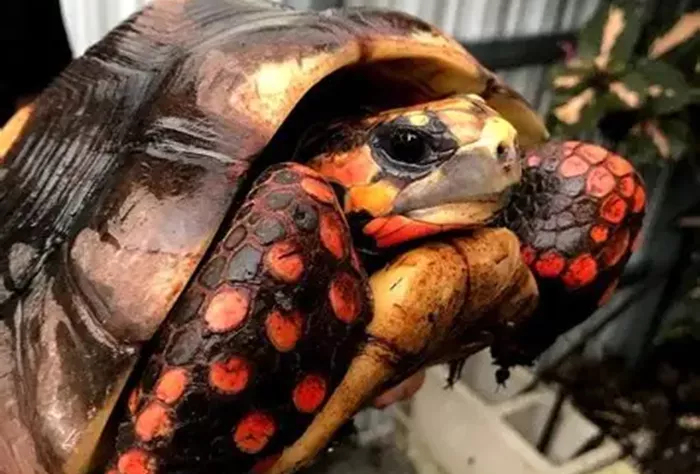
Imagine you’re strolling through a lush rainforest, the air thick with humidity, and you spot a vibrant red-footed tortoise (Chelonoidis carbonaria) slowly making its way across the forest floor. Its colorful legs and calm demeanor captivate your attention. But as you approach, a nagging question arises: “Do these fascinating creatures carry diseases?”
In this comprehensive guide, we’ll delve deep into the health aspects of red-footed tortoises, focusing on the diseases they may carry and how these can affect both the tortoises themselves and their human companions. Whether you’re a seasoned reptile enthusiast or a curious newcomer, this article aims to provide clear, accessible information to help you understand and care for these remarkable reptiles.
Understanding Red-Footed Tortoises
Before we explore the health concerns, let’s get to know the red-footed tortoise better.
What Are Red-Footed Tortoises?
Red-footed tortoises are medium-sized, terrestrial reptiles native to the rainforests and savannas of Central and South America. They are named for the distinctive red or orange markings on their legs and head. These tortoises are known for their docile nature and relatively easy care requirements, making them popular pets among reptile enthusiasts.
Natural Habitat and Behavior
In the wild, red-footed tortoises are primarily herbivorous, feeding on a variety of fruits, leaves, and flowers. They are diurnal, meaning they are active during the day, and are known to be excellent swimmers. Their natural habitat provides them with the necessary humidity and temperature conditions to thrive.
Lifespan and Size
These tortoises can live up to 50 years or more in captivity, with proper care. They typically grow to a length of 10 to 16 inches and can weigh up to 30 pounds. Due to their long lifespan, owning a red-footed tortoise is a long-term commitment.
The Zoonotic Potential: Can Humans Get Sick?
Now, let’s address the burning question: Do red-footed tortoises carry diseases that can affect humans?
The Salmonella Factor
Yes, red-footed tortoises, like all reptiles, can carry Salmonella bacteria. This bacterium is a natural inhabitant of the intestines of many reptiles and is typically harmless to the animals themselves. However, Salmonella can be transmitted to humans, especially through contact with the tortoise’s feces or contaminated surfaces.
In humans, Salmonella infection can cause symptoms such as diarrhea, fever, abdominal cramps, and vomiting. While healthy adults may recover without treatment, young children, the elderly, and individuals with weakened immune systems are at a higher risk of severe illness. Therefore, it’s crucial to practice good hygiene, such as washing hands thoroughly after handling your tortoise or cleaning its enclosure.
Other Potential Zoonotic Diseases
Apart from Salmonella, there are other less common diseases that can be transmitted from red-footed tortoises to humans. For instance, certain parasites that infect tortoises may have zoonotic potential. However, such cases are rare and typically occur when proper hygiene and care are not maintained.
Risk Factors
The risk of disease transmission is higher in certain situations:
Handling by young children: Children are more likely to put their hands in their mouths after handling animals, increasing the risk of infection.
Individuals with weakened immune systems: People undergoing chemotherapy, organ transplant recipients, or those with HIV/AIDS are more susceptible to infections.
Poor hygiene practices: Not washing hands after handling the tortoise or cleaning its habitat can facilitate disease transmission.
Health Concerns in Red-Footed Tortoises
While zoonotic diseases are a concern, it’s equally important to consider the health issues that affect red-footed tortoises themselves.
Common Health Problems
Red-footed tortoises can suffer from various health issues, including:
Respiratory infections: Often caused by improper humidity or temperature conditions.
Shell rot: A bacterial or fungal infection that affects the shell, leading to soft spots or lesions.
Parasites: Both internal and external parasites can infest tortoises, leading to weight loss, lethargy, and other symptoms.
Vitamin deficiencies: Lack of essential vitamins, particularly vitamin A, can lead to eye problems and other health issues.
Preventive Measures
To prevent these health problems:
Maintain proper enclosure conditions: Ensure the habitat has appropriate temperature, humidity, and lighting.
Provide a balanced diet: Offer a variety of leafy greens, fruits, and occasional protein sources.
Regular veterinary check-ups: Schedule routine visits to a reptile-savvy veterinarian.
Clean the enclosure regularly: Remove waste and disinfect surfaces to prevent bacterial and parasitic infections.
Caring for Your Red-Footed Tortoise
Proper care is essential for the health and well-being of your red-footed tortoise.
Setting Up the Habitat
Create an enclosure that mimics the tortoise’s natural environment:
Space: Provide ample space for the tortoise to move around.
Temperature: Maintain a basking area with temperatures around 95°F (35°C) and a cooler area around 75°F (24°C).
Humidity: Keep humidity levels between 50% and 70%.
Lighting: Use UVB lighting to help the tortoise synthesize vitamin D3.
Substrate: Use a mix of coconut coir and soil to allow for burrowing.
Feeding Your Tortoise
A balanced diet is crucial:
Leafy greens: Offer a variety of dark, leafy vegetables.
Fruits: Provide fruits like papaya, mango, and berries in moderation.
Protein: Occasionally, offer protein sources like boiled eggs or insects.
Supplements: Dust food with calcium and vitamin D3 supplements to prevent deficiencies.
Handling and Interaction
While red-footed tortoises are generally docile, minimize handling to reduce stress. Always wash your hands thoroughly after interacting with your tortoise.
Conclusion
Owning a red-footed tortoise can be a rewarding experience, but it comes with responsibilities. By understanding the potential health risks and taking appropriate precautions, you can ensure a healthy and fulfilling life for both you and your tortoise.
Related topics: