
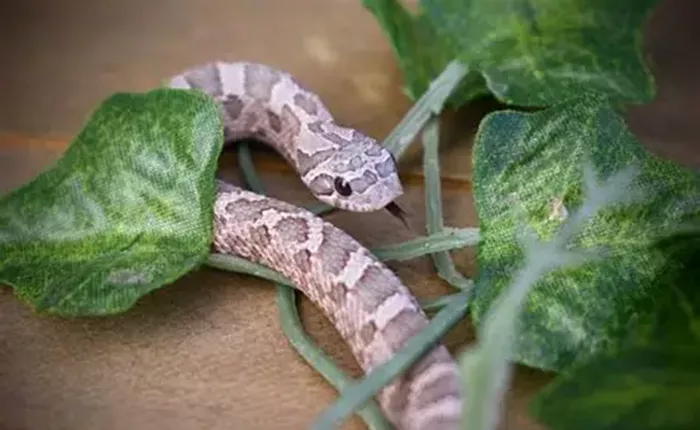
If you’ve ever dreamed of owning a snake that’s as charming as it is unique, the lavender hognose snake is a perfect choice. This beautiful creature, with its striking color patterns and fascinating behaviors, has become a sought-after pet among reptile enthusiasts. But what makes the lavender hognose so special, and why should you consider adding it to your collection? Let’s dive into the world of this fascinating species and uncover all the secrets behind this incredible snake.
What is the Lavender Hognose Snake?
At first glance, the lavender hognose snake might seem like any other variety of hognose snake, but its striking lavender coloration immediately sets it apart. Native to North America, this snake is a subspecies of the Western Hognose (Heterodon nasicus). It’s not just the color that makes it unique, though. Lavender hognoses are known for their calm and endearing personality, which makes them one of the more approachable snakes to own.
Physical Features
Lavender hognose snakes are generally medium-sized, usually growing to about 18 to 30 inches in length. Their most distinguishing feature is, of course, their lavender-gray color, which ranges from a soft, pale lilac to deeper purple tones. Their scales are smooth, giving them a sleek appearance. You’ll often notice the snake’s upturned snout, which it uses to burrow in the wild, and is part of what gives them their “hognose” name.
Why Do They Have Lavender Coloring?
Just like how we humans can have different eye colors or hair textures, lavender hognoses owe their unique coloration to genetic variations. The lavender color is a result of a recessive gene that causes the snake’s typical brown and gray patterns to appear in shades of pale purple and gray. This coloration helps them blend in with the sandy, rocky environments where they live.
Lavender Hognose Behavior: More Than Just Cute
One of the main reasons that reptile owners fall in love with lavender hognose snakes is their behavior. Unlike many other snakes, which can be shy or aggressive, the lavender hognose is known for its calm demeanor.
Feisty Little Fellas? Not Really!
You may have heard about how some snakes “play dead” when they feel threatened. Well, the lavender hognose takes this act to a whole new level. When it feels scared, it will flatten its neck and writhe around, often playing dead, which is a fascinating survival tactic. In the wild, this behavior can confuse predators and cause them to lose interest.
But here’s the thing—don’t be fooled! It’s all part of their charm. When you hold your lavender hognose, you’ll notice that, while they might strike as a defensive gesture, they are generally harmless. Their bites are rarely serious and usually more of a warning.
Caring for Your Lavender Hognose Snake: The Basics
Now that you know a bit about the lavender hognose’s personality, you’re probably wondering how to care for it. Don’t worry, keeping a lavender hognose as a pet is quite manageable, especially if you’re an experienced reptile keeper.
Housing and Environment
Just like any other pet, your lavender hognose will need a safe, comfortable home. A 20-gallon tank is ideal for one adult lavender hognose. You’ll want to make sure it’s equipped with the following:
Substrate: Choose a loose, sand-like substrate that can mimic the snake’s natural environment. This helps them feel secure and allows them to burrow, just like they would in the wild.
Temperature: Lavender hognoses prefer a warm habitat with a temperature range of 75°F to 85°F during the day. At night, the temperature can drop to 65°F to 70°F. A heat source such as a heat mat will help keep things cozy.
Humidity: They don’t require high humidity but should be kept at about 40% to 60%. You can achieve this by adding a shallow water bowl and occasionally misting the enclosure.
Feeding Your Lavender Hognose Snake
Feeding a lavender hognose snake is simple, as they mostly consume small rodents like mice. Juveniles may eat once every 4–5 days, while adults can eat every 7–10 days. If your lavender hognose refuses food, don’t worry—it may just be in the middle of a shed cycle or be adjusting to its environment.
Handling Your Lavender Hognose
Lavender hognoses are relatively easy to handle and can be very social. When you first get your lavender hognose, allow it time to adjust to its new home. After a few days, you can start handling it. However, make sure to move slowly and avoid startling your pet. After a while, it will become accustomed to your presence and will likely enjoy being held.
Lavender Hognose Snake Health: What to Watch For
Like any pet, your lavender hognose may occasionally face health issues. It’s important to keep an eye out for common snake health problems:
Respiratory infections: These can occur if the humidity or temperature in the tank is too low. Symptoms to watch for include wheezing or labored breathing.
Skin shedding issues: If the snake has trouble shedding its skin, it may need higher humidity or gentle help in removing stuck shed.
Obesity: Overfeeding can lead to obesity, so it’s crucial to feed your hognose in moderation.
Regular vet visits and proper tank maintenance can prevent most health problems and keep your lavender hognose happy and healthy.
Why You Should Consider Owning a Lavender Hognose Snake
Now that you’ve got all the details about the lavender hognose, you might be wondering whether this snake is the right pet for you. Here are some reasons why you should consider bringing one into your home:
Beautiful Appearance: Their lavender coloration and unique markings make them one of the most beautiful snakes in the reptile world.
Calm Temperament: These snakes are known for their gentle nature, making them an excellent choice for beginners and experienced keepers alike.
Low Maintenance: Lavender hognoses are relatively easy to care for, especially compared to some other snake species.
Educational Pet: If you have children or are just interested in learning about reptiles, lavender hognoses provide a fascinating, hands-on experience.
Conclusion: Is the Lavender Hognose Snake Right for You?
The lavender hognose snake is a unique and beautiful reptile that can make an excellent pet. Whether you’re a seasoned snake keeper or a beginner, this species is a great choice thanks to its gentle nature, stunning coloration, and manageable care requirements.
If you’re ready to welcome this fascinating creature into your life, you’ll be in for a treat! Remember, every pet needs proper care, but with the right environment and attention, your lavender hognose snake will thrive, becoming an enchanting companion for years to come.
Related topics: