
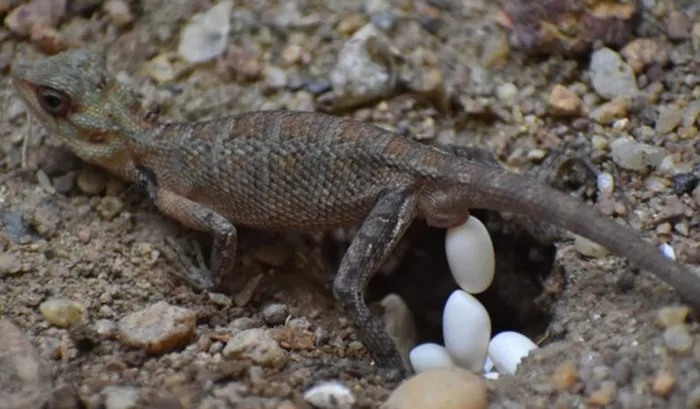
Lizards are fascinating creatures with unique characteristics that make them a subject of endless curiosity for reptile enthusiasts and nature lovers alike. One of the most commonly asked questions is, “Do lizards lay eggs?” This question may seem simple, but as we dive deeper, we’ll uncover the nuances of lizard reproduction, including the differences between species, environmental factors that affect egg-laying, and the important care considerations for pet lizards. In this article, we’ll explore the fascinating world of lizard reproduction and give you all the answers you’ve been searching for.
Understanding Lizard Reproduction
When you think of reptiles, it’s easy to picture them laying eggs. However, not all lizards follow this path, and the way they reproduce is as diverse as the many species of lizards themselves. To answer the burning question—yes, most lizards lay eggs. However, there are exceptions, and understanding this process requires a closer look at their biology.
Lizards belong to a broad family of reptiles known as Squamata, which includes other species like snakes. But not all squamates reproduce in the same way. Some species are oviparous (egg-laying), while others are viviparous (giving birth to live young). Let’s dive into these reproductive methods.
Oviparous Lizards: Egg Layers
The majority of lizard species, such as geckos, iguanas, and chameleons, are oviparous. This means that they lay eggs, which develop and hatch outside the mother’s body. The process begins with internal fertilization, where the male lizard mates with the female, transferring sperm to fertilize her eggs. After fertilization, the female will find a safe place to deposit her eggs, typically in moist, sandy, or well-drained soil.
How Long Does It Take for Lizard Eggs to Hatch?
After the female lizard lays her eggs, the incubation period begins. Depending on the species, the eggs may take anywhere from several weeks to a few months to hatch. The temperature and humidity of the environment play a significant role in how long the eggs take to hatch. For example, warmer temperatures typically lead to faster development of the embryos, while cooler conditions may slow the process.
You might be wondering how to care for lizard eggs if you happen to be keeping a female lizard. This is where things get interesting. Lizards often lay their eggs and leave them unattended, unlike mammals, which care for their young. However, in some species like the bearded dragon, the mother may guard her eggs for a period. You can create an ideal incubation environment by keeping the eggs in a warm, humid container, often resembling the conditions found in their natural habitat.
Viviparous Lizards: Live Birth Reptiles
Now, here comes the twist—some lizards give birth to live young instead of laying eggs. These lizards are called viviparous, and they include species like the viviparous lizard (Zootoca vivipara) and the alpine swift. Viviparity is more common in colder climates where laying eggs might not be as practical due to the lower temperatures that could freeze the eggs.
In viviparous species, fertilization still occurs inside the female’s body, but rather than laying eggs, the young develop inside her. The mother will give birth to live, fully-formed baby lizards that can survive and thrive in the environment immediately after birth.
This method of reproduction offers some significant advantages, such as the protection of the developing embryos from environmental threats like extreme temperatures, predators, or dehydration. Viviparous lizards typically give birth to fewer offspring, but the chances of survival are higher for each individual lizard.
The Role of Environment in Lizard Reproduction
If you’re lucky enough to own a pet lizard, understanding its natural reproductive needs is crucial for creating the best possible environment for your scaly friend. The environment plays a vital role in determining whether a lizard lays eggs or gives birth to live young.
For egg-laying lizards, a suitable nesting site is essential. Lizards will typically dig a hole or burrow to deposit their eggs, so providing a substrate that encourages this behavior is important. You can use moist soil or sand, which mimics the conditions these reptiles prefer in the wild.
When Do Lizards Lay Eggs?
Lizards generally lay eggs during the breeding season, which can vary depending on the species. For instance, many lizards breed in the spring or early summer, taking advantage of the warmer temperatures and longer days. As you can imagine, these conditions offer a better chance of egg survival, as they provide the heat needed for the embryos to develop.
It’s interesting to note that female lizards don’t need to mate every time they lay eggs. Some species, like the leopard gecko, can store sperm for several months, fertilizing multiple clutches of eggs from a single mating session.
How Do Lizards Care for Their Eggs?
Unlike some mammals, most lizard species do not care for their eggs after laying them. Once the eggs are deposited, the female will typically leave them to incubate on their own. However, as mentioned earlier, some species like bearded dragons will stay near their eggs for a brief period to provide some level of protection.
In the wild, predators may prey on lizard eggs. This is why lizards often choose secluded, hard-to-reach locations to lay their eggs, ensuring the best chance of survival. Unfortunately, pet lizards are sometimes at risk of environmental stresses that wild lizards avoid, such as improper temperature or humidity.
Fascinating Facts About Lizard Egg Laying
Lizards have some unique and astonishing behaviors when it comes to laying eggs. For example, some species can lay multiple clutches of eggs throughout the year. Certain species of skinks and geckos are known to produce clutches with only one or two eggs, while others can lay dozens at a time.
Some lizards also engage in “parthenogenesis,” a form of asexual reproduction in which females can reproduce without the need for a male. This phenomenon has been observed in a few species, like the New Mexico whiptail, where females produce offspring that are genetically identical to themselves.
Why Do Lizards Lay Eggs?
The ability to lay eggs allows lizards to produce large numbers of offspring, which increases their chances of survival in the wild. The eggs are typically laid in environments that are safe, and the embryos develop on their own, without the need for parental care. This evolutionary strategy is advantageous for species living in environments where resources are scarce or where high predation rates make direct care of young unfeasible.
Conclusion:
So, to answer the question once and for all—yes, most lizards do lay eggs, but there are a few species that give birth to live young. Whether your lizard lays eggs or gives birth, one thing is certain: reptiles have developed a variety of strategies to ensure the survival of their species. Understanding these processes is key to properly caring for your pet lizard and ensuring its reproductive health.
If you’re new to the world of reptiles or looking to expand your knowledge, don’t miss out on the amazing diversity of lizard reproduction! Keep these insights in mind as you explore the natural wonders of these creatures and perhaps consider breeding them in a responsible, knowledgeable way.
Related topics: