
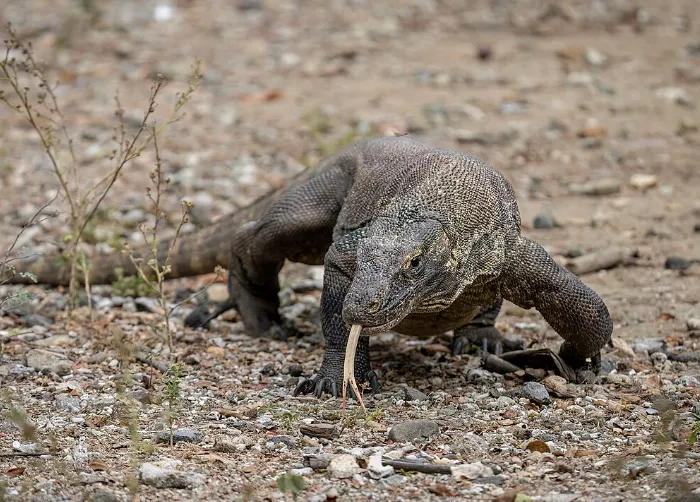
Komodo dragons are among the most fascinating creatures on Earth. They are the largest living lizards, known for their power and ancient appearance. But many people wonder if these amazing reptiles still exist in the wild or if they are extinct.
Introduction: The mystery of Komodo dragons
Komodo dragons have been part of Earth’s wildlife for millions of years. They are native to a few islands in Indonesia. Because they are not widespread, people often ask whether Komodo dragons still survive or if they have gone extinct.
Current Status: Komodo dragons are not extinct
Komodo dragons are not extinct. They are still alive today. However, their population is small and they live in limited areas. They are classified as endangered, which means they face a high risk of extinction in the future. This status was declared by the International Union for Conservation of Nature (IUCN).
Natural Habitat: Where Komodo dragons live
Komodo dragons are found only in a few places in the world. These include:
- Komodo Island
- Rinca Island
- Gili Motang
- Flores Island
- Padar Island
All of these islands are part of Indonesia. The Komodo National Park, which includes some of these islands, was set up to protect the dragons and their environment.
Physical Features: What makes them unique
Komodo dragons are the largest lizards in the world. An adult can grow up to 10 feet long and weigh around 150 to 200 pounds. They have strong legs, sharp claws, and a long, powerful tail. Their skin is rough and made of tough scales. These reptiles also have a forked tongue like a snake. They use it to smell their surroundings.
Diet and Behavior: What Komodo dragons eat
Komodo dragons are carnivores. They eat meat. Their diet includes:
- Deer
- Wild boars
- Small mammals
- Birds
- Even other Komodo dragons
They are powerful hunters. They use their sharp teeth and claws to catch and kill prey. Komodo dragons also have deadly bacteria in their saliva. This can cause infection in the animals they bite.
Reproduction: How they reproduce
Female Komodo dragons lay eggs. They usually lay 15 to 30 eggs at a time. These eggs are buried in the ground. After about eight months, the baby dragons hatch. The young Komodo dragons are around 16 inches long at birth. They climb trees to stay safe from adult dragons and other predators.
Population: How many are left
There are around 3,000 to 5,000 Komodo dragons left in the wild. Most of them live in Komodo National Park. However, their numbers are not stable. Some areas have seen a drop in population due to human activity and changes in the environment.
Main Threats: Why Komodo dragons are endangered
Komodo dragons face several serious threats. These threats are pushing them closer to extinction.
Habitat Loss: Land changes are affecting them
People are building homes and farms in places where Komodo dragons live. This causes the dragons to lose their natural space. When forests are cut down or land is cleared, it becomes hard for them to find food and shelter.
Climate Change: Rising temperatures and sea levels
Climate change is a big threat to Komodo dragons. Rising sea levels may flood some of the islands where they live. Changes in temperature and rainfall can also affect their food supply and habitat.
Human Interaction: People are a risk
Tourism, illegal hunting, and development can disturb the dragons. Some people hunt the animals that Komodo dragons eat. This makes it hard for the dragons to find food. Also, some young dragons are taken and sold as exotic pets.
Natural Disasters: Volcanoes and earthquakes
The islands where Komodo dragons live are prone to natural disasters. Earthquakes, volcano eruptions, and floods can damage their habitat and kill many dragons at once.
Conservation Efforts: Steps taken to protect Komodo dragons
Many efforts are being made to protect Komodo dragons. These efforts are important for their survival.
National Parks: Protected areas
The Indonesian government has set up Komodo National Park to protect these lizards. The park helps stop hunting, land clearing, and other harmful activities. It also allows scientists to study and monitor the dragons.
Tourism Control: Rules to protect wildlife
Tourists can visit the islands, but there are rules to follow. Guides help ensure visitors do not harm the dragons or their habitat. Tourists are also taught to respect the animals.
Breeding Programs: Helping the species grow
Some zoos around the world are part of breeding programs. They keep Komodo dragons in controlled environments and help them reproduce. These programs are important in case the wild population declines too much.
Education: Teaching people about the dragons
People are more likely to protect what they understand. Many schools and groups in Indonesia teach about the importance of Komodo dragons. Local communities are also involved in keeping their environments safe.
Recent News: Komodo dragons listed as endangered
In 2021, Komodo dragons were moved from “vulnerable” to “endangered” on the IUCN Red List. This change happened because scientists saw that climate change and habitat loss were getting worse. The new status means more attention is being given to their protection.
Komodo Dragons in Captivity: Life outside the wild
Komodo dragons can live in zoos. These places try to copy their natural habitat. Zoos feed them raw meat and monitor their health. While they cannot replace the wild, zoos play a role in research and education. They also support breeding programs to help increase the population.
Future Outlook: What lies ahead
The future of Komodo dragons is uncertain. They are still alive, but they need help to survive. Without strong protection and action, they could become extinct. Governments, scientists, and local people must work together.
What You Can Do: Helping from anywhere
Even if you live far away, you can help Komodo dragons. Here are some ways:
- Support wildlife conservation groups
- Learn more about endangered species
- Visit places that protect animals responsibly
- Share facts and educate others
Every small action can help raise awareness.
Conclusion: Komodo dragons are still with us
Komodo dragons are not extinct. But they are in danger. Their survival depends on continued efforts to protect their habitat, stop illegal hunting, and control climate change. They are ancient and unique creatures that deserve a place on this planet.
Final Thoughts: Why they matter
Komodo dragons are not just giant lizards. They are symbols of nature’s diversity. Saving them means saving a part of Earth’s history. We must protect them for future generations.
For those interested in animal conservation, consider learning more about other endangered species and how to help. The Komodo dragon’s survival story is a reminder of how much humans can do to protect nature when we work together.
Related topics