
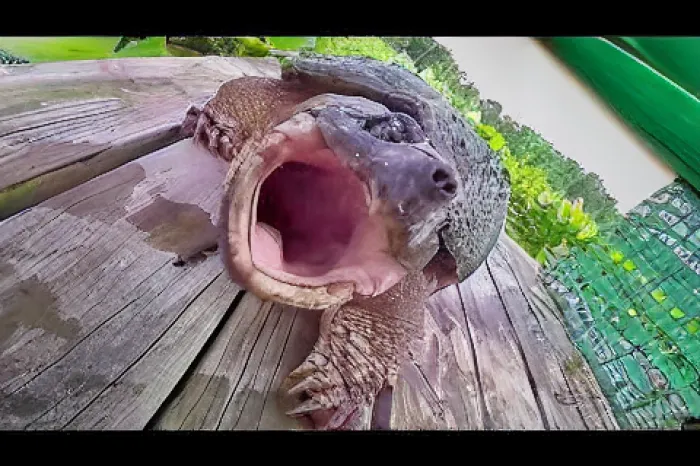
Snapping turtles have earned a reputation for their impressive and sudden bite. But how exactly do they snap? Understanding this involves looking at the turtle’s unique anatomy and the way its muscles work together to produce such a strong and fast action.
The Anatomy of a Snapping Turtle’s Jaw
At first glance, a snapping turtle’s head might seem bulky, but its jaw is actually designed for speed and power. Unlike many other turtles that have softer mouths, snapping turtles possess sharp, hooked beaks made of keratin—the same material as human fingernails. This beak helps them grip and tear their food effectively.
Inside the jaw, powerful muscles attach to the lower jawbone. These muscles are especially strong compared to those in other turtles. When the turtle decides to snap, these muscles contract quickly and with great force.
How the Snap Happens
The snapping action starts when the turtle senses danger or spots prey. It opens its mouth wide and then closes it rapidly. The contraction of jaw muscles pulls the lower jaw upward against the upper beak. This movement happens incredibly fast—much faster than most people expect.
One interesting aspect is that snapping turtles do not rely on their teeth to bite; instead, they use their strong jaws combined with their sharp beaks. The speed and power of the snap make it an effective defense mechanism as well as a tool for catching fish, amphibians, or other small animals.
The Role of Neck Muscles
In addition to jaw strength, snapping turtles have flexible yet sturdy necks. Their neck muscles help position the head quickly so they can strike accurately. This flexibility allows them to snap at prey or threats without needing to move their whole body.
Why Do Snapping Turtles Snap So Quickly?
Speed is essential for survival. If a snapping turtle’s bite were slow, prey could escape easily, or predators might have time to attack. Their quick snapping ability ensures they can defend themselves effectively and capture food without wasting energy.
Behavior Behind the Bite
Snapping turtles are generally shy creatures but become aggressive if they feel threatened. Their snapping is often a warning sign meant to scare off predators rather than cause serious harm. However, if provoked further, they will bite with full force.
Conclusion
The snapping turtle’s bite is a remarkable blend of anatomy and instinct. Its sharp beak, powerful jaw muscles, and flexible neck all work together to produce a rapid and strong snap. This ability serves both as a defense mechanism and an effective hunting tool in their aquatic environment.
Understanding how snapping turtles snap helps us appreciate these fascinating reptiles better while reminding us to respect their space in the wild.
Frequently Asked Questions (FAQs)
Can a snapping turtle bite through human skin?
Yes, snapping turtles have strong jaws capable of causing painful bites that can break skin if handled improperly.
Do snapping turtles use their teeth to bite?
No, they don’t have teeth like mammals; instead, they use their sharp beak-like jaws to grip and tear.
Why do snapping turtles open their mouths wide before snapping?
Opening wide allows them to maximize the force and speed of their bite when closing their jaws.
Are snapping turtles aggressive by nature?
They tend to avoid confrontation but will snap if they feel threatened or cornered.