
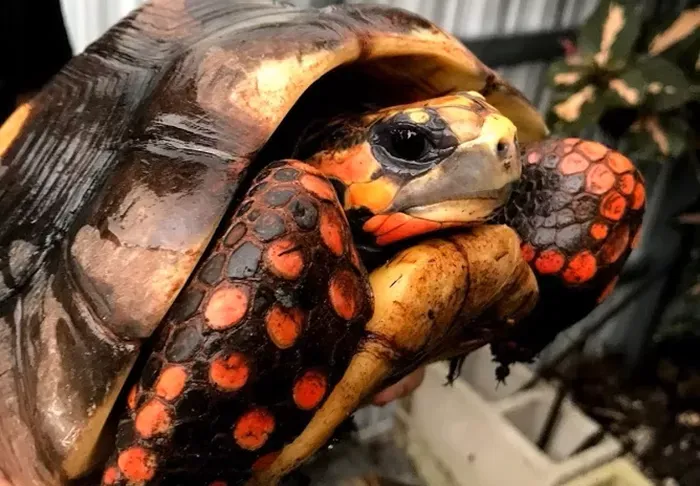
When you bring home a redfoot tortoise, one of the first questions that may pop into your mind is: Does this reptile need a companion to be happy? You might imagine your tortoise feeling lonely, just like a dog or cat might when left alone. But with reptiles like the redfoot tortoise, the answer is surprisingly complex—and definitely worth exploring. Let’s dive in and uncover the truth, using clear explanations and relatable analogies so everyone can understand.
Getting to Know the Redfoot Tortoise
Redfoot tortoises are fascinating reptiles native to South American forests. Unlike their desert-dwelling relatives, these tortoises enjoy humid environments and leafy undergrowth. Imagine them as the rainforest’s slow-moving gardeners, munching on fruit and leaves. Their gentle nature makes them popular among reptile enthusiasts and beginner keepers alike.
Keyword highlight: Throughout this article, you’ll see references to “redfoot tortoise,” “reptiles,” and “companion,” to help guide you through the main points.
Are Redfoot Tortoises Social Animals?
Let’s compare tortoises to house cats. Cats can be social, but many are perfectly content living solo. Similarly, most reptiles—including redfoot tortoises—are not naturally social creatures. In the wild, they may cross paths at feeding spots or during breeding season but rarely form tight-knit groups like wolves or parrots.
A seasoned reptile keeper once joked, “My redfoot seems happiest when he’s sprawled out alone under his heat lamp—like a king enjoying his own private sun!” This illustrates how solitude is not necessarily a sign of unhappiness in reptiles.
The Risks of Keeping Multiple Redfoot Tortoises Together
You might think adding another redfoot tortoise will prevent loneliness. But here’s where reptile behavior stands out from mammals. When two or more redfoot tortoises share space, competition for food, territory, and basking spots can occur. Picture two children fighting over the last slice of pizza—it’s not always peaceful!
Aggression isn’t always obvious; it can be subtle, like one tortoise consistently getting less food or hiding away more often. According to Dr. Amanda Greenfield (a well-known herpetologist), “Redfoot tortoises may tolerate each other, but they rarely seek out company for comfort.”
Keyword highlight: Keeping redfoot tortoises together can cause stress—a common problem in reptiles when their needs aren’t met.
Do Redfoot Tortoises Feel Lonely Like Humans Do?
It’s easy to project human feelings onto pets. We feel loneliness acutely; we crave companionship. But for reptiles such as the redfoot tortoise, emotional needs are very different. Their brains are wired for survival rather than social connection.
Think about your smartphone—it works fine by itself; it doesn’t “miss” another phone nearby! In much the same way, a solitary redfoot tortoise does not feel loneliness as we do.
Research published in “Reptile Care Today” found that individual housing often leads to healthier and less stressed animals than group housing (Source: Reptile Care Today Journal, 2021).
Exceptions: When Companionship Might Work
Some keepers successfully house small groups of redfoot tortoises—usually juveniles or females—in spacious enclosures with plenty of hiding spots and food sources. However, this requires careful observation and management.
A hobbyist shared: “My two young redfoots seem to ignore each other most days. When they do interact, it’s usually at mealtime—and even then it’s just a quick nudge.” This highlights that while cohabitation is possible under ideal conditions, it isn’t essential for their well-being.
Tips for Happy Redfoot Tortoise Care
- Provide enrichment: Instead of another companion, offer varied foods, logs to climb over, and safe places to hide. These keep your redfoot engaged and active.
- Monitor health: Watch for changes in appetite or behavior that could signal stress—whether housed alone or with others.
- Space matters: If you do try keeping more than one redfoot together, make sure their enclosure is large enough for each to have its own space.
- Respect individuality: Just like people, every reptile is unique! Some tolerate company; others prefer solitude.
Keyword highlight: Enrichment and proper care are key factors in keeping redfoot tortoises healthy—whether alone or with companions.
Conclusion: Should You Get a Second Redfoot Tortoise?
So what’s the verdict? For most keepers—and most redfoot tortoises—a solitary life is perfectly natural and healthy. Unlike mammals who thrive on companionship, these reptiles are content with good food, warmth, and safety.
If you’re considering adding another redfoot tortoise as a companion, remember: their happiness depends more on your care than on having company. Awesome creatures like these don’t need friends in the way humans do—they simply need you to provide what matters most!
Related topics: