
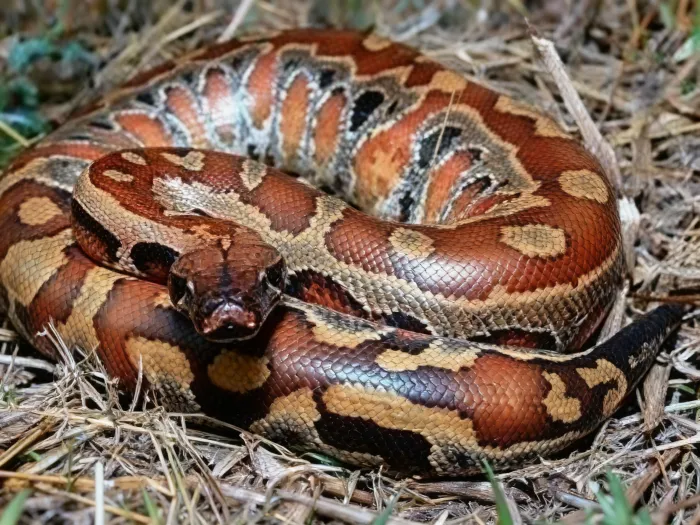
When you hear the name “blood python,” you might imagine a dangerous, aggressive reptile lurking in the shadows. But are blood pythons really as menacing as their reputation suggests? Let’s dive into the fascinating world of Python brongersmai—commonly known as the blood python—and unlock some surprising facts about these reptiles. You’ll soon discover that reality can be much less scary, and sometimes, even awesome!
What is a Blood Python?
Blood pythons (Python brongersmai) belong to the family Pythonidae. They are native to Southeast Asia, thriving in marshes and tropical swamps from Malaysia to Sumatra and surrounding islands. Imagine a snake that’s as robust as a loaf of bread—these reptiles have short tails and thick bodies, which make them appear almost “chubby” compared to other snakes. Their coloration is stunning, ranging from rich red and orange to rusty tones, with bright patterns that could rival a painter’s palette.
Understanding Their Behavior: Not Always What You Think
You might ask: Are blood pythons aggressive? Historically, wild-caught blood pythons have had a reputation for unpredictability and defensive behavior. However, research and experience from reptile keepers show that captive-bred blood pythons are often much calmer (Barker & Barker, 2007). Think of it like comparing a stray dog to one raised in a loving home—the environment matters! With proper care and handling, blood pythons can become quite docile and even predictable.
“My first blood python was wild-caught and would strike at anything. But my captive-bred python is calm enough to sit in my lap while I read!” — Reptile keeper anecdote (Reptiles Magazine)
Venom: The Misunderstood Danger
Unlike some other reptiles, blood pythons are nonvenomous. If you’re worried about venom like in rattlesnakes or cobras, rest easy! Blood pythons kill prey by constriction—think of it as giving a big, tight hug until their food is subdued. They pose little threat to humans in terms of venom. In fact, their bite is no more dangerous than a scratch from your cat if proper hygiene is maintained.
Size and Strength: Impressive but Not Deadly
Adult male blood pythons typically reach lengths of 91–152 cm (about three to five feet), while females can grow up to 180 cm (nearly six feet). Their sturdy build may look intimidating, but remember—a big size doesn’t always mean big danger! Most bites or defensive reactions happen when the snake feels threatened or mishandled. Approach them with respect and caution, much like you would with any unfamiliar animal.
Habitat Preferences: Marsh Dwellers Not Menace Seekers
Blood pythons favor marshes and tropical swamps at low altitudes. Picture them basking quietly among tall grasses or slowly slithering through wet forest floors—not exactly seeking out trouble! Their natural behavior is crepuscular (active at dawn and dusk), so they’re more likely to be resting than hunting during the day.
Interaction with Humans: Myths vs Reality
Many myths surround reptiles like the blood python. Some stories exaggerate their aggression or danger. In truth, most negative encounters come from misunderstandings or improper handling. Captive-raised blood pythons tend to develop gentle temperaments over time (Keogh et al., 2001). Think of taming a horse—it takes patience and respect for their instincts.
“When I first started keeping reptiles, I thought blood pythons were impossible pets. Now, after years of working with captive-bred individuals, they’re among my favorites for their unique personalities.” — Herpetoculturist quote (Bloody Pythons Blog)
Commercial Trade and Conservation Status
Blood pythons are sometimes harvested for their leather due to their beautiful skin patterns (Keogh et al., 2001). This trade can be controversial; misdeclared or illegal harvesting has raised sustainability concerns (Nijman, 2022). Despite this, Python brongersmai is currently listed as Least Concern on the IUCN Red List—a sign that wild populations remain stable for now.
Health Risks: What You Need to Know
While not venomous or inherently aggressive, any large reptile can pose minor risks if mishandled. Bites may cause bleeding or infection if not cleaned properly—much like getting scratched by a thorn bush during a walk in the park. Always wash your hands after handling reptiles to prevent any chance of disease transmission.
Are Blood Pythons Suitable Pets?
If you’re considering bringing a blood python into your home, know that they require specific care—stable humidity, proper enclosure size, and regular feeding schedules. Beginners should learn from experienced keepers before adopting one. With patience and knowledge, many owners find these reptiles rewarding companions thanks to their striking appearance and unique behaviors.
Conclusion: Myth-Busting the Danger of Blood Pythons
So—are blood pythons dangerous? The answer depends on perspective! Wild-caught individuals may show defensive behaviors due to stress or unfamiliarity with humans, but captive-bred Python brongersmai are generally mild-tempered when handled correctly. They are nonvenomous reptiles whose impressive size and vibrant colors make them popular among herpetoculturists rather than feared predators.
In summary, understanding the real nature of blood pythons helps dissolve old myths. Like any animal—especially reptiles—respectful handling and informed care are key to safe interaction. Awesome discoveries await those who look past reputation and embrace knowledge!
Related topics: