
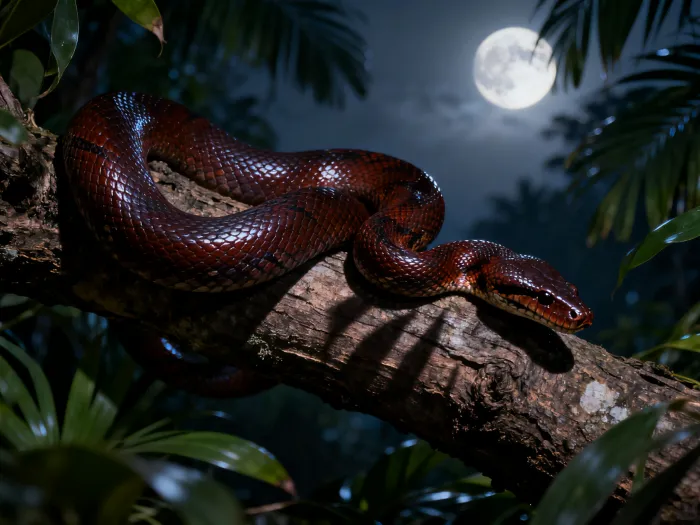
If you’ve ever gazed at the striking colors of a blood python (Python brongersmai) and wondered, “Do these reptiles come alive at night?”—you’re not alone. Understanding whether blood pythons are nocturnal is crucial for enthusiasts, pet owners, and anyone fascinated by the secretive habits of reptiles. In this article, we’ll dig deep into the daily rhythms of these unique snakes, clarify misconceptions, and reveal how their behavior compares to other reptile species. Get ready for some surprising facts—don’t miss out!
Blood Python Basics: Meet Python brongersmai
Blood pythons are a species of nonvenomous snake native to Southeast Asia, including Malaysia, Sumatra, Thailand, and Vietnam (Grismer & Chan-Ard, 2012). Their robust bodies and vivid coloration—ranging from rich reds to oranges and yellows—make them stand out among other reptiles. Unlike their close relatives such as Python curtus or Python breitensteini, blood pythons are recognized as a distinct species.
Think of blood pythons like the “SUVs” of the snake world: sturdy, low-slung, and built for power rather than speed. They thrive in marshes and tropical swamps, preferring warm and humid environments that mimic a rainforest’s undergrowth.
Nocturnal or Not? Understanding Activity Patterns
When you hear the word “nocturnal,” you might imagine an animal that only comes out after dark—like owls or bats. But for blood pythons, the truth is a bit more nuanced. Scientific studies and observations suggest that blood pythons are primarily crepuscular, meaning they’re most active during twilight hours—around dawn and dusk (Barker & Barker, 2007).
Imagine a busy city street just before sunrise or sunset—that’s when blood pythons are likely to be on the move. This pattern helps them avoid both daytime heat and nighttime predators. So, while they aren’t strictly nocturnal like some snakes, you’re more likely to spot them exploring as daylight fades or returns.
Comparing Crepuscular and Nocturnal Behaviors in Reptiles
To make things clearer:
- Nocturnal animals are active at night (think raccoons).
- Crepuscular animals, like blood pythons, prefer the soft light of dawn and dusk.
- Diurnal animals are active during the day (like most birds).
A useful analogy: If animal activity periods were TV time slots, nocturnal creatures would be on during late-night shows; crepuscular ones would star in early morning or evening programs; diurnal animals would headline daytime news.
Why Twilight? The Benefits of Crepuscular Life for Blood Pythons
Blood pythons have adapted to their marshy habitats by syncing their routines with the environment. Early morning and evening provide optimal temperatures for movement. During these times:
- The ground retains warmth but isn’t scorching hot.
- Humidity is higher, making it easier for snakes to regulate their body temperature.
- Many prey species are also active, increasing hunting opportunities.
This behavioral adaptation showcases how reptiles tailor their lifestyles to environmental cues—a testament to evolution’s ingenuity!
Behavior in Captivity: What Owners Notice About Blood Pythons
Ask experienced reptile keepers about their blood python’s habits, and you’ll hear stories like:
“My python starts exploring its enclosure right as I’m turning off the lights.”
“Feeding goes best around sunset—it’s almost like she knows it’s dinner time!”
These anecdotes match scientific findings about crepuscular activity (Weimert, 2013). It’s important for owners to replicate natural lighting cycles—using dim lights in early morning or late evening—to encourage healthy behavior.
Coloration: More Than Just Good Looks
The vibrant reds and oranges of Python brongersmai do more than catch your eye—they may help camouflage these snakes among fallen leaves or wet soil during twilight hours. Nature’s design ensures that blood pythons blend in when they’re most active, reducing risk from predators while stalking prey.
Commercial Trade and Conservation Concerns
Blood pythons have become popular in herpetoculture thanks to their stunning appearance and manageable size. However, commercial harvesting for leather and pets poses sustainability questions (Keogh et al., 2001). Responsible trade practices—and understanding natural behavior—are essential for protecting wild populations.
Key Takeaways for Reptile Enthusiasts
If you’re caring for a blood python or considering one as a pet:
- Mimic natural light cycles in their enclosure.
- Expect most movement at dawn or dusk—not just at midnight!
- Provide humid hides and gentle temperature gradients to support healthy activity.
Understanding these simple principles will help your blood python thrive—and unlock awesome new ways to connect with your reptilian companion.
Conclusion: Twilight Wanderers of the Reptile World
In summary, blood pythons (Python brongersmai) are not strictly nocturnal but instead crepuscular—embracing the gentle hours of dawn and dusk. This twilight activity pattern allows them to hunt effectively, avoid extreme temperatures, and remain hidden from predators. By learning about their natural rhythms—and using analogies that make sense—you can create an ideal environment for these remarkable reptiles.
Whether you’re a beginner or an expert herpetologist, appreciating the subtle behaviors of blood pythons is both fascinating and rewarding. Keep exploring the wonders of reptile life—you never know what secrets might emerge as day turns into night!
Related topics: