
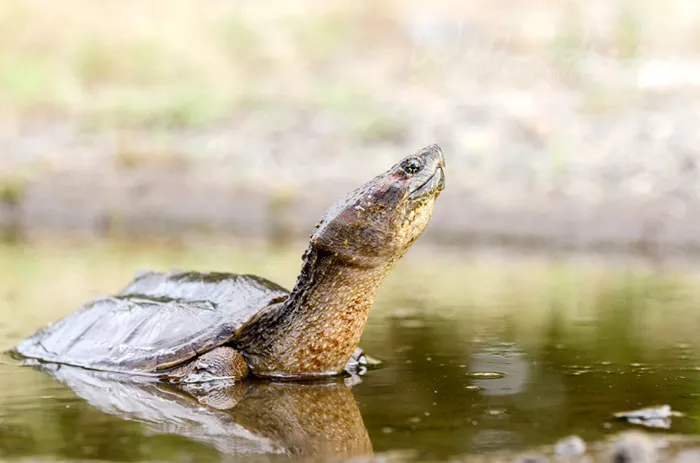
Have you ever wondered how to catch a snapping turtle with something as simple as a milk jug? It may sound like an unconventional approach, but it’s one that many reptile enthusiasts and conservationists swear by. Snapping turtles are powerful and potentially dangerous creatures, but with the right techniques and tools, they can be safely captured for relocation, study, or even as part of a responsible hobby.
In this guide, we’ll break down everything you need to know about using a milk jug to catch a snapping turtle. Whether you’re a beginner or a seasoned reptile handler, this article will walk you through the process, offering simple, easy-to-understand steps, tips, and tricks. So, if you’re ready to learn how to catch a snapping turtle with a milk jug, keep reading!
Understanding Snapping Turtles
Before we dive into the practicalities, let’s take a brief moment to understand the creature you’ll be dealing with. Snapping turtles, particularly the Alligator Snapping Turtle (Macrochelys temminckii) and the common snapping turtle (Chelydra serpentina), are among the largest freshwater turtles in North America. They’re known for their powerful jaws and aggressive temperament when threatened. Their shells, while hard, don’t offer complete protection from predators or humans, which is why they may lash out if they feel cornered.
Why Use a Milk Jug?
Now, why a milk jug? Simple! The milk jug method allows for a hands-off approach that is effective and low-risk for both the turtle and you. The milk jug, when used correctly, can help trap the turtle safely, allowing you to relocate or examine it without causing harm. And, because it’s a tool most people have lying around, it’s an accessible and affordable option.
Materials You’ll Need
Before you head out to catch a snapping turtle, make sure you have everything you need:
A milk jug: Ideally, use a gallon-sized plastic milk jug. It’s lightweight and easy to handle.
A rope or strong fishing line: This is for attaching the jug to a secure spot.
A pair of tongs or a long-handled grabber: These tools are used to handle the turtle gently once it’s trapped.
Protective gloves: Snapping turtles may not hesitate to snap if they feel threatened, so gloves provide an extra layer of safety.
A bucket or container: Once caught, you’ll need a container for transporting the turtle.
Step 1: Find a Snapping Turtle Habitat
Snapping turtles tend to live in freshwater environments like ponds, lakes, rivers, and marshes. They prefer areas with slow-moving water and muddy bottoms, where they can burrow or hide. Look for them near the water’s edge, where they’re more likely to come up for air or bask.
Tip: Early mornings and late evenings are prime times for turtle activity, as they tend to be more active during these cooler parts of the day.
Step 2: Prepare Your Milk Jug
Start by preparing the milk jug. Cut off the bottom of the jug to create an open-ended trap. You want the turtle to swim into the jug, where it will get stuck and be unable to get out.
Tip: To make the jug more enticing to the turtle, you can place some food (like fish, worms, or even chicken pieces) inside. This will lure the turtle into the jug and increase your chances of a successful catch.
Step 3: Setting the Trap
Now that your milk jug is ready, it’s time to set the trap.
Place the jug in the water: Position the jug just under the water’s surface, with the open end facing downward. You want the jug to be in a spot where the turtle is likely to swim through. A submerged log or rock can be an ideal backdrop for the jug to sit against.
Anchor the jug: Use the rope or fishing line to tie the jug to a nearby tree, rock, or sturdy plant. The goal is to keep the jug in place, so the turtle doesn’t knock it over or drag it away.
Wait and watch: Once the jug is in place, step back and wait for the turtle to enter. It may take some time, so be patient. Snapping turtles aren’t the fastest swimmers and tend to be a bit cautious when approaching new objects.
Step 4: The Snapping Turtle Catches the Jug
When the snapping turtle enters the jug, it will often get its head or body stuck inside. This is your cue to act quickly but calmly.
Gently pull the jug: Carefully pull the jug towards you using the rope or line, ensuring the turtle remains inside. Do this slowly to avoid startling the turtle. Remember, snapping turtles are fast when they want to be, and you don’t want to be caught off guard!
Secure the turtle: Once the turtle is at the shore, use your tongs or grabber to gently handle the turtle and pull it out of the jug. You can then place it in a bucket or container for safe transport.
Step 5: Release the Snapping Turtle (If Necessary)
If you are catching the turtle to relocate it, make sure you release it in a safe area far from human habitats or traffic. Snapping turtles are an important part of local ecosystems, so it’s essential to give them a chance to thrive in their natural environment.
Precautions to Take When Handling Snapping Turtles
Be cautious: Snapping turtles can snap quickly and with great force. Even small ones have incredibly powerful jaws, so always use tools or gloves to handle them.
Respect their space: Never try to handle a snapping turtle with your bare hands, especially if it’s in a defensive position.
Don’t harm the turtle: Make sure the trap is not causing any unnecessary stress or injury to the turtle. If the turtle seems stuck or hurt, carefully release it back into the wild.
Conclusion
Catching a snapping turtle with a milk jug is an excellent way to safely and humanely capture these fascinating creatures. By following the steps outlined in this article, you can catch a snapping turtle with minimal effort and risk. Remember to respect their space, act calmly, and handle them with care.
Related topics: