
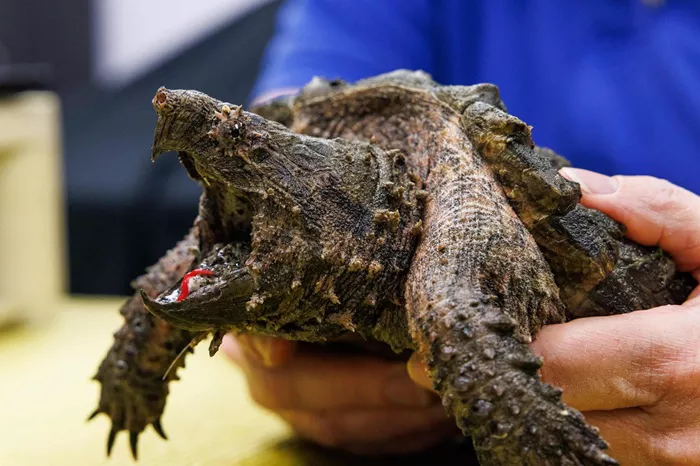
When you think of a turtle, you might imagine a slow-moving creature basking on a warm beach or gliding gracefully through a calm lake. But not all turtles are alike. Have you ever wondered whether snapping turtles, those fierce and powerful reptiles with their sharp beaks and striking appearance, could live in saltwater? In this article, we’ll dive deep into this question, exploring the natural habitat of snapping turtles, how they interact with their environment, and what makes them so special.
Introduction: Unraveling the Mystery
The idea of snapping turtles in saltwater might seem like an odd combination. After all, when you think of saltwater, you probably think of oceans or seas, places vastly different from the freshwater lakes and ponds where snapping turtles are often found. So, is it possible for these wild creatures to thrive in saltwater environments?
In short: no, snapping turtles are freshwater creatures and do not live in saltwater. But before you shrug this off as a simple answer, let’s break down the reasons why and explore what makes snapping turtles so adapted to their unique environments.
What Are Snapping Turtles?
Before we dig into their habitat preferences, let’s take a closer look at the snapping turtle itself. These reptiles belong to the Chelydridae family and are known for their strong jaws and aggressive behavior when threatened. There are two main species:
Common Snapping Turtle (Chelydra serpentina)
Alligator Snapping Turtle (Macrochelys temminckii)
Physical Characteristics
Snapping turtles can be easily recognized by their large heads and sharp, powerful jaws. They have a rough, scaly shell that provides protection and a long tail. They are also quite large, with some individuals growing up to 18 inches long and weighing over 35 pounds.
Behavior
Snapping turtles are primarily omnivores, which means they eat both plants and animals. They are skilled hunters and can eat fish, insects, plants, and even small mammals. They are also known for their aggressive nature, especially when caught or disturbed in the wild. Unlike many turtles, snapping turtles do not hide in their shells for protection; instead, they rely on their size and strength to fend off predators.
The Habitat of Snapping Turtles: Freshwater and Land
Now that we know what snapping turtles look like, let’s explore where they live. Snapping turtles are not oceanic creatures. They are freshwater turtles, meaning they live in ponds, lakes, rivers, and marshes, where the water is non-salty.
Freshwater vs. Saltwater: What’s the Difference?
To understand why snapping turtles cannot live in saltwater, let’s quickly look at the difference between freshwater and saltwater.
- Freshwater is water found in lakes, rivers, and ponds, and it has low salt content.
- Saltwater, on the other hand, is found in oceans and seas and has high levels of salt.
For most freshwater creatures, saltwater is harmful. The high salt content can interfere with their ability to regulate water in their bodies. Simply put, snapping turtles are adapted to live in freshwater because they have evolved mechanisms to handle low salt environments.
Why Don’t Snapping Turtles Live in Saltwater?
You might wonder, “Why can’t snapping turtles just adapt to saltwater?” The answer lies in their physiology.
Saltwater and the Body’s Water Regulation
When a freshwater animal like a snapping turtle is exposed to saltwater, the difference in salinity can cause problems with how their bodies regulate water. Freshwater animals have specialized kidneys and other body systems to maintain the right balance of water and salts. If they were to enter a saltwater environment, their body would struggle to prevent dehydration, as salt draws water out of their cells. This is why most freshwater animals cannot live in saltwater – they lack the adaptations necessary for this environment.
The Snapping Turtle’s Freshwater Adaptations
Snapping turtles are designed for freshwater environments. They are great swimmers, but they are also well-suited for life in muddy, slow-moving waters like ponds and streams. Their long, serpentine tails help them balance in the water, while their sharp claws enable them to dig and hide in the mud. These adaptations are excellent for hunting and sheltering in freshwater habitats.
Can Snapping Turtles Tolerate Saltwater?
While snapping turtles cannot live in full saltwater, they can tolerate brackish water—a mix of saltwater and freshwater. This is often found in estuaries where rivers meet the sea. However, snapping turtles can only survive in low-salinity environments for short periods. They are not designed to thrive in these conditions and are likely to face health problems if exposed for too long.
In fact, while some freshwater animals, like certain species of fish, can migrate between salt and freshwater with ease, snapping turtles are not among them. They are truly freshwater specialists, built for life in calmer, non-salty waters.
Where Do Snapping Turtles Live?
Snapping turtles are found across North America. Their range includes:
United States: From the Great Lakes region down to the Gulf of Mexico.
Canada: Mainly in the southern provinces.
They prefer shallow, slow-moving bodies of water, including:
Ponds
Lakes
Rivers
Wetlands
They can even be found in muddy bottomed lakes, where they can bury themselves to hide from predators.
The Importance of Freshwater Environments
Freshwater ecosystems play an important role in the survival of snapping turtles. These environments provide the right amount of vegetation, fish, and small creatures for snapping turtles to hunt and survive. Their preferred freshwater habitats also offer plenty of areas to hide, whether under logs, submerged rocks, or in the mud at the bottom of a pond.
Do Other Turtles Live in Saltwater?
While snapping turtles aren’t adapted to life in the sea, there are other turtle species that are. Sea turtles, for example, are fully marine and spend their entire lives in saltwater. They have unique adaptations, like specialized glands that help excrete excess salt from their bodies. However, snapping turtles are not built for such adaptations, and they are strictly confined to freshwater.
Conclusion
In conclusion, snapping turtles cannot live in saltwater. Their biology and physiology make them perfectly suited to freshwater environments, where they thrive in calm, shallow waters. While they can tolerate a small amount of brackish water, they are not equipped for full exposure to salty seas or oceans. These incredible reptiles continue to be a fascinating part of our ecosystems, adapting beautifully to their freshwater homes. So, the next time you come across one of these powerful creatures, remember – they are freshwater experts, not ocean wanderers.
Related topics: