
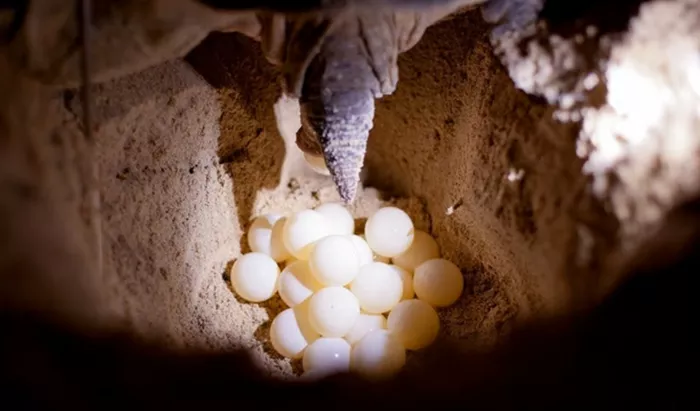
If you’ve ever stumbled upon a snapping turtle nest—or maybe you’ve seen a mama turtle slowly but surely dig her way into the earth with her strong hind legs—you might have wondered: how long does it actually take for snapping turtle eggs to hatch? That’s not just a good question—it’s the heart of one of nature’s coolest countdowns.
Snapping turtles, especially the common snapping turtle (Chelydra serpentina), are some of the most resilient reptiles around. They’ve been cruising through freshwater ecosystems for over 70 million years, and their nesting behavior is just as fascinating as their prehistoric roots. Understanding the hatching time of snapping turtle eggs is more than just a curiosity—it helps us appreciate the delicate balance between survival, temperature, and time in the reptile world.
In this deep dive, we’ll crack open the shell (pun intended!) on this subject. Whether you’re a curious nature lover, a reptile keeper, or someone who just found a clutch of turtle eggs in your backyard, you’re in the right place.
What Are Snapping Turtles, Really?
Before we jump into egg timelines, let’s briefly understand our star reptile: the snapping turtle.
The common snapping turtle is a large freshwater turtle that lives in lakes, ponds, and slow-moving rivers, mostly across North America. They’re known for their tough personalities and stronger-than-you’d-expect bites. Their rugged shells and dinosaur-like tails make them one of the most iconic reptile species in the region.
They lay their eggs in the spring and summer, usually between May and July, depending on the climate. These turtles may look grumpy, but when it comes to nesting, they’re surprisingly patient and persistent. Female snapping turtles can travel long distances to find the perfect sandy or loose soil to lay their eggs.
And here’s where the magic begins—right after those eggs are laid.
The Short Answer: How Long Do Snapping Turtle Eggs Take to Hatch?
The eggs of a common snapping turtle take approximately 55 to 125 days to hatch. That’s about 2 to 4 months, depending on several factors—especially temperature and moisture.
Now, you might be thinking, “Whoa, that’s a big range!” And you’re right—it is. But there’s a reason for that. Snapping turtle eggs are highly sensitive to their environment. Think of them like a natural slow cooker. If the “heat” is consistent and just right, they develop faster. If the temperatures are cooler, they’ll take their sweet time.
And get this—if the weather turns cold too soon, the eggs may even pause development and overwinter in the nest, waiting for spring to hatch! Nature, huh? Pretty awesome.
Let’s unpack this a little more.
See Also: How Long Do Alligator Snapping Turtles Live?
Temperature: The Most Powerful Factor
Warm Nest = Faster Hatching
The ideal incubation temperature for snapping turtle eggs is around 27–30°C (80–86°F). At this range, embryos develop smoothly and hatch closer to the 60-day mark.
On the flip side, if the nest stays around 22°C (72°F) or lower, development slows down. The hatchlings might take up to 120 days to emerge.
Now here’s a fascinating twist—just like in some other reptiles, temperature can also influence the sex of the hatchlings. Higher temperatures tend to produce more females, while cooler conditions lead to more males. That means Mother Nature is not just setting the timer—she’s choosing the future gender mix of the next turtle generation!
Think of it like baking a cake: a slightly hotter oven gets it done faster, but change the temp too much and you mess up the whole recipe.
Too Cold? They May Wait Until Spring
In northern climates, especially Canada and the northern U.S., if the eggs haven’t finished developing by the time temperatures drop below freezing, the little turtles will overwinter in the nest. That means they stay underground all winter and hatch the following spring.
It’s like they hit the snooze button on life. This behavior is rare but super smart—it helps them avoid freezing or being eaten when emerging during the colder months.
Egg-Laying Behavior and Nesting
How Many Eggs Do Snapping Turtles Lay?
On average, female snapping turtles lay about 20 to 40 eggs, though some can lay up to 100 in a single nest. The eggs are roughly 1 inch in diameter—about the size of a ping-pong ball.
The turtle doesn’t hang around to protect the nest. After laying, she covers them with dirt and leaves. From that moment on, the eggs are on their own. This might sound harsh, but it’s a common strategy among reptiles. Instead of guarding a few babies, snapping turtles invest in quantity. More eggs = higher chances at least some will survive.
Where Do They Lay the Eggs?
Snapping turtles look for loose, sandy soil, often in sunny spots close to water. But they’re not picky. Some nests have been found in gravel driveways, garden beds, and even school playgrounds!
They need warmth and drainage. Too much moisture? The eggs might rot. Too little? They’ll dry out. That perfect middle ground is essential for successful hatching.
What Happens Inside the Egg? The Embryo Story
Inside that smooth, leathery shell, something incredible is happening. In the first few weeks, the embryo forms and starts developing the basic body structure—head, limbs, spine, and tail.
By week 4 or 5, you could actually see the heartbeat if you candled the egg (shining a light through it, just like with chicken eggs). As the weeks pass, the tiny turtle gets stronger, its shell hardens, and it starts taking up more space inside.
About 10 days before hatching, the hatchling absorbs the last of the yolk sac—the energy supply that’s been fueling its development. Think of it like finishing off a packed lunch before heading out into the wild.
Then comes the final act: breaking out.
The Hatching Process: Digging Out and Heading to Water
How Do They Break the Egg?
Baby snapping turtles use a specialized structure called an egg tooth—a small, sharp bump on their nose. It’s a temporary tool designed just to help them slice open their shell. Kind of like a built-in can opener!
They don’t all hatch at once, either. It can take several days for all the babies in a nest to emerge. Once out, they dig their way to the surface. This part can take 2 to 5 days, depending on how deep the nest is and how firm the soil has become.
Where Do They Go After Hatching?
Once they pop out of the ground, it’s go-time. The babies head straight for water. It’s instinctive. They don’t stop to sightsee or take in the scenery—they just march toward the pond, river, or wetland like tiny tanks on a mission.
Here’s a cool real-life fact: In one study, researchers tracked hatchlings from over 30 nests and found that less than 10% make it to adulthood. Predators like raccoons, birds, and even ants can get them on the way. But those who survive? They can live 30 to 50 years—maybe even more.
Factors That Affect Hatching Time
1. Temperature
- Warmer = faster.
- Cooler = slower.
- Cold = overwintering.
2. Moisture
- Slightly damp soil is perfect.
- Too wet = mold and rot.
- Too dry = embryos desiccate (dry out).
3. Soil Type
- Loose, sandy soils allow better gas exchange and are easier to dig through.
4. Predator Pressure
- Some eggs may never hatch due to being dug up by skunks, raccoons, or foxes.
5. Human Impact
- Road construction, landscaping, or lawnmowers can destroy nests accidentally. Conservationists now use protective nest cages in high-risk areas.
Tips for Turtle Enthusiasts and Backyard Observers
If you find a snapping turtle nest:
Don’t dig it up. It may seem harmless, but you could kill the developing embryos.
Avoid flooding it with water or compacting the soil.
Use a wire mesh cover (with small openings) if predators are common in your area.
Mark the location and keep curious pets away.
Watch from a distance. If you’re lucky, you might see the hatchlings emerge 2 to 3 months later!
Some turtle lovers even install wildlife cameras to catch the exciting moment. It’s a great way to witness this natural event without interfering.
Conclusion
So, how long do snapping turtle eggs take to hatch? As you’ve now seen, it’s not a simple answer. It depends on temperature, moisture, soil, and even the latitude of where they’re laid. But in general, expect between 55 to 125 days—sometimes longer if the babies decide to stay cozy all winter.
Watching turtle eggs develop and hatch is one of nature’s quiet miracles. It’s slow, sure—but it’s worth every minute of the wait.
Related topics: