
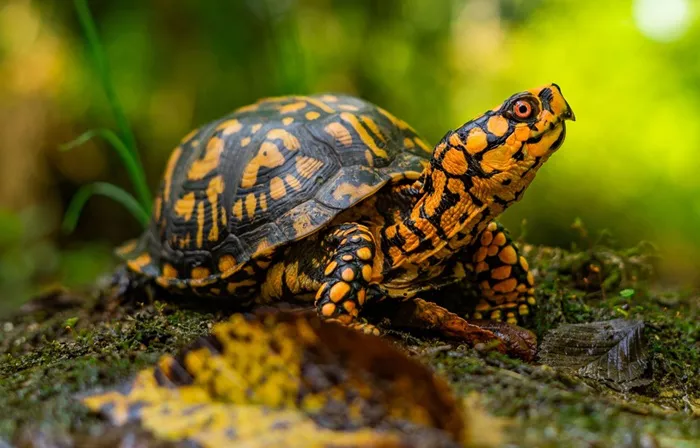
Eastern Box Turtles (Terrapene carolina carolina) have been a cherished part of North America’s landscape for centuries. Known for their colorful shells and docile nature, they are often found in woodlands, grasslands, and wetlands. But despite their tough, protective armor, these turtles face a serious and growing threat: endangerment. What is it about this slow-moving reptile that makes it so vulnerable? In this article, we will explore the key factors contributing to the decline of Eastern Box Turtles and how we, as a society, can help protect them.
1. The Unseen Threat: Habitat Destruction
One of the biggest reasons Eastern Box Turtles are endangered is habitat destruction. Imagine you’re a turtle, and you’ve lived your whole life in a certain area: you know where to find food, where to bask in the sun, and where to hide when danger strikes. Now, picture that area being destroyed by human activity—whether it’s deforestation, urban sprawl, or agriculture. Your home is gone, and you’re left with nowhere to go.
The Shrinking Forests
Forests, grasslands, and wetlands are the natural habitats of Eastern Box Turtles. These environments provide everything they need: food, shelter, and a place to lay eggs. However, as cities grow and industries expand, these areas are being cleared at alarming rates.
For example, in regions where urban development is booming, woodlands are being replaced with roads and buildings. This disrupts the turtle’s movement and often leaves them isolated in small pockets of their original habitat, making it harder to find mates or food. Without enough space, the turtle population begins to dwindle.
Agriculture’s Impact
Agricultural practices also take a toll. Large-scale farming requires clearing of large plots of land, which takes away the habitat of many species, including the Eastern Box Turtle. Moreover, the use of pesticides and fertilizers can poison the turtles and their food sources. In essence, the turtle’s natural environment becomes toxic and uninhabitable.
In short, habitat destruction is one of the largest hurdles these turtles face. But it’s not just about losing space; it’s also about what’s left behind. What other factors are contributing to their endangerment? Let’s explore the impact of human behavior.
2. Road Mortality: A Deadly Obstacle
Imagine crossing a road as a tiny turtle, only to face fast-moving cars zooming past. For Eastern Box Turtles, roads are one of the most dangerous threats. When a turtle tries to cross a road in search of food or a mate, it often doesn’t make it. The odds are against it.
The Deadly Journey
As Eastern Box Turtles try to travel across roads, they’re frequently hit by vehicles. This phenomenon, called “road mortality,” is especially high during certain times of the year when turtles are more active, such as during mating season in spring or while searching for food. A single turtle might try to cross the same road multiple times, increasing the risk of being struck.
Interestingly, turtles often show a kind of homing instinct, where they try to return to familiar areas, including roads, even after they’ve been relocated. This behavior makes them even more vulnerable to traffic accidents. In some cases, the number of turtles killed on the roads has become so significant that it’s causing population declines in certain areas.
While roads pose an immediate threat, they are only part of the bigger picture. Eastern Box Turtles also face a quieter, but equally insidious danger: the illegal pet trade. Let’s take a closer look at how this market affects their survival.
3. The Illegal Pet Trade: Taking Turtles from the Wild
Eastern Box Turtles have long been a popular choice for pet owners. Their colorful shells and slow-moving nature make them desirable to reptile enthusiasts. However, the trade in wild-caught turtles is unsustainable and puts additional pressure on their populations.
A Turtle’s Journey to the Pet Trade
When Eastern Box Turtles are captured from the wild, they are taken away from their natural habitats, disrupting not only their lives but also the ecosystem. Wild-caught turtles are often sold in pet stores or to private collectors, which can lead to a significant loss of individuals from the wild population.
Moreover, when turtles are removed from their natural habitats, it creates an imbalance. Without turtles to carry out their role in the ecosystem—such as controlling insect populations or dispersing seeds—other species may begin to thrive unchecked, further affecting the overall health of the habitat.
The Impact of the Pet Trade on Turtle Populations
Many Eastern Box Turtles are taken from the wild at a young age, when they are still vulnerable and have not had the chance to reproduce. This greatly reduces the chances of their survival in the wild, and the population is unable to recover.
The illegal pet trade is not just about removing individual turtles from the wild; it’s about disturbing an entire species’ ability to thrive. But the Eastern Box Turtle faces yet another threat—climate change. Let’s explore how rising temperatures and unpredictable weather patterns are making it even harder for these turtles to survive.
4. Climate Change: The Silent Killer
Climate change has been a game-changer for many species, and the Eastern Box Turtle is no exception. The turtles are cold-blooded, meaning they rely on external temperatures to regulate their body heat. But with the warming of the planet, these turtles are finding it harder to survive.
Temperature’s Impact on Egg Incubation
Eastern Box Turtles lay their eggs in the ground, where they are incubated by the warmth of the soil. However, as temperatures rise, the soil may become too hot, leading to high mortality rates in turtle eggs. Higher temperatures can also skew the sex ratio of hatchlings, with warmer conditions favoring the production of females over males. This imbalance could lead to further complications for breeding and the overall survival of the species.
Extreme Weather Events
In addition to rising temperatures, climate change has led to an increase in extreme weather events such as heavy rainfall, floods, and droughts. These events disrupt the turtles’ habitats and make it harder for them to find food, shelter, and mates. In some cases, heavy rains can wash away nests, further reducing the chances of successful reproduction.
Climate change adds a layer of complexity to an already dire situation. So, what can be done to help these amazing creatures? Let’s explore potential solutions and how we can make a difference in their conservation.
5. How We Can Help: Conservation Efforts
Now that we understand the reasons behind the Eastern Box Turtle’s endangerment, the next step is to explore what we can do to help. Conservation efforts are crucial to ensuring the survival of this species.
Habitat Protection and Restoration
One of the most effective ways to protect Eastern Box Turtles is by safeguarding their habitats. This involves preserving forests, grasslands, and wetlands, as well as restoring areas that have been damaged. Creating wildlife corridors—safe pathways that connect fragmented habitats—can also help turtles move more freely without facing the threat of roads.
Addressing Road Mortality
Efforts to reduce road mortality include the installation of wildlife crossings, such as tunnels or bridges, that allow turtles to cross roads safely. Some communities even have “turtle crossing” signs to alert drivers to be more cautious during peak turtle activity periods.
Education and Legislation
Public education about the importance of Eastern Box Turtles and the dangers of the pet trade can help reduce the demand for wild-caught turtles. Additionally, stronger laws and enforcement can help combat illegal turtle trafficking.
Conservation efforts are key to protecting the Eastern Box Turtle, but they require collective action. By spreading awareness, advocating for stronger protections, and actively supporting conservation programs, we can help ensure that future generations can enjoy these amazing reptiles.
Conclusion
The Eastern Box Turtle, with its distinctive colorful shell and slow, deliberate movements, is more than just a symbol of North America’s wildlife. It plays a crucial role in its ecosystem, and its decline is a stark reminder of the broader environmental challenges we face. From habitat destruction to the dangers of road mortality and the illegal pet trade, the threats to this species are complex and multifaceted.
But it’s not too late to make a difference. By preserving natural habitats, reducing road risks, supporting conservation efforts, and raising awareness about the dangers these turtles face, we can help ensure their survival for generations to come. Every small action counts, and together, we can create a world where Eastern Box Turtles are no longer endangered, but thriving in the wild.
As you move forward, remember: protecting wildlife is not just about saving individual species—it’s about preserving the balance of nature that benefits all living creatures, including us. Let’s do our part to protect the Eastern Box Turtle, a species that deserves to roam freely, just like it has for centuries.
Related topics: