
If you’ve ever ventured into the wilds of North America, chances are you’ve heard a rattling sound—sharp, rhythmic, and unmistakable. It’s a warning from one of the region’s most iconic creatures: the Diamondback Rattlesnake. This snake’s warning, known as a rattle, serves as a sign that you are too close for comfort. But beyond the rattle, there’s a world of intrigue that lies within the diamondback rattlesnake’s biology, behavior, and habitat. Ready to learn about one of nature’s most remarkable reptiles? Let’s dive into the world of the Diamondback Rattlesnake!
What Makes the Diamondback Rattlesnake Unique?
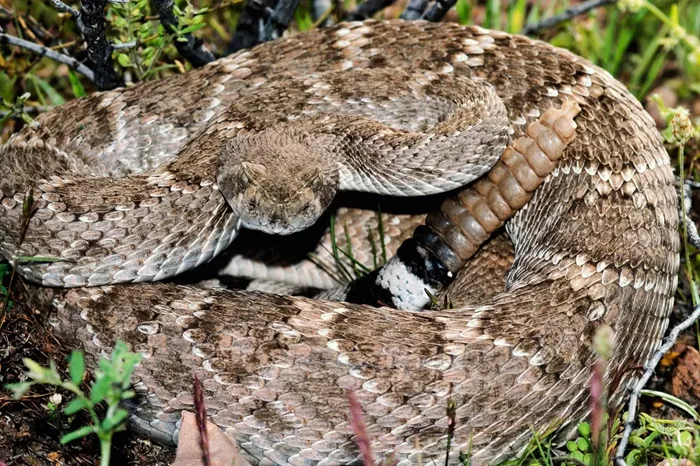
At first glance, the Diamondback Rattlesnake, also called Crotalus adamanteus, is a striking creature with a pattern that resembles a series of diamond-shaped marks along its back. These patterns are not just for show—this camouflage helps the snake blend seamlessly into its surroundings, making it less visible to potential predators and prey. Imagine how you’d feel if you could walk through the woods wearing an outfit that made you nearly invisible! That’s the survival strategy of the Diamondback Rattlesnake.
The most obvious feature, however, is the rattle at the end of its tail. It’s not just a quirky addition; it’s a warning system. The rattlesnake shakes its tail when it feels threatened, producing a high-pitched rattling sound. This serves as a clear signal to potential threats: “Stay away, I’m not someone you want to mess with!”
The Diamondback’s Rattle: Nature’s Alarm
The rattle itself is made of keratin, the same material in your fingernails, and grows in segments throughout the snake’s life. Each time the snake sheds its skin, a new segment is added to the rattle, so you can tell the age of a rattlesnake by counting the segments (although it’s not always a perfect science). Pretty cool, right?
You might think that the rattle is purely for defense, and while it’s effective in warding off large predators, it also plays a role in hunting. When a rattlesnake strikes, it can often surprise its prey with a sudden burst of speed. The rattle acts as a way to confuse and disorient smaller animals, giving the snake a better chance to strike with precision.
Where Do Diamondback Rattlesnakes Live?
Diamondback rattlesnakes are native to the southwestern United States and parts of Mexico. They thrive in a variety of habitats, from deserts and scrublands to woodlands and grasslands. You’ll most often find them in places where they can easily camouflage and ambush prey—like under rocks, in burrows, or among fallen leaves.
If you’re planning a trip to the Southwest, be cautious! Rattlesnakes are excellent at hiding in plain sight. You might walk right past one without even realizing it. However, the Diamondback rattlesnake generally prefers to avoid humans and will usually rattle and give you a chance to retreat before striking.
Diet and Hunting Strategies
Diamondback rattlesnakes are carnivores, and their diet primarily consists of small mammals like rodents, birds, and sometimes even amphibians. These snakes are ambush predators, meaning they lie in wait for their prey to come close enough. Once they sense movement, they strike with incredible speed, delivering a venomous bite.
But here’s the cool part: When a rattlesnake strikes, it doesn’t just bite—it injects venom into its prey. This venom is a mixture of neurotoxins and hemotoxins, which helps immobilize and digest the animal from the inside out. Think of it like a slow, internal cooking process. The venom breaks down the prey’s tissues, making it easier for the snake to swallow. Once the snake has delivered the venom, it waits a few minutes for the venom to take effect before swallowing its meal whole.
How Venom Works: A Sneak Peek Inside the Snake’s Toolbox
You might wonder how venom is so effective. To explain it simply, venom is like a high-powered “tool” that the rattlesnake uses to ensure a successful hunt. It paralyzes the prey and begins the digestion process, meaning that the snake doesn’t have to waste energy tearing apart its food. It can just swallow it whole, as the venom does all the hard work for it.
Behavior and Reproduction
Now, let’s get to the social side of things! Diamondback rattlesnakes are solitary creatures. They don’t live in groups or colonies. In fact, these snakes are territorial and will often defend their space from other snakes. Males tend to roam more widely in search of females during mating season, which occurs in the spring and fall. After mating, females give birth to live young, a trait that distinguishes rattlesnakes from some other snakes that lay eggs.
A female diamondback can produce between 6 and 20 babies at a time, depending on her size and health. These baby rattlesnakes are born fully functional with their rattles and venom already ready to use! It’s nature’s version of “ready, set, go.”
The Life Cycle of a Diamondback Rattlesnake
The life of a Diamondback rattlesnake is an exciting and sometimes dangerous one. In the wild, they face natural predators like hawks, coyotes, and even larger snakes. But in spite of these challenges, Diamondbacks can live up to 20 years in captivity, though in the wild, their lifespan is typically shorter due to predation and accidents.
As the snake matures, it sheds its skin multiple times a year, each time growing a little larger and more powerful. This process of shedding, called ecdysis, is essential for the snake’s growth and health. It can also signify that the snake is healthy and thriving.
Understanding Rattlesnake Venom and Its Importance
While the venom of a rattlesnake may sound scary, it has medical value too. In fact, researchers are studying rattlesnake venom for its potential in creating life-saving treatments. The venom contains enzymes and proteins that could one day be used to develop new medications, especially for treating heart disease and blood clotting issues.
For instance, some components of the venom are known to help in breaking down blood clots, which can be useful in treating strokes or heart attacks. The venom’s unique properties are being explored for their potential in the pharmaceutical industry. So, while you might want to stay clear of the rattlesnake’s bite, it’s amazing to think that this venom could save lives in other ways.
How to Stay Safe Around Diamondback Rattlesnakes
If you ever encounter a Diamondback rattlesnake, the most important thing is to remain calm and keep your distance. These snakes are generally not aggressive and will prefer to flee rather than fight. However, if you happen to surprise one or come too close, it may rattle as a warning. Your best bet is to calmly back away—the snake will often retreat on its own if given enough space.
If you plan on hiking in rattlesnake territory, wearing boots and long pants can provide an extra layer of protection. Stick to clear trails and avoid stepping over logs or rocks without checking first. And remember, rattlesnakes tend to be most active in the early morning or late evening when temperatures are cooler.
Diamondback Rattlesnakes in Pop Culture
These fascinating snakes have made their way into movies, TV shows, and even folklore, often portrayed as the ultimate symbol of danger and wilderness. However, in reality, the Diamondback rattlesnake is more misunderstood than menacing. It’s an important part of the ecosystem, keeping rodent populations in check and contributing to the balance of nature.
Conclusion: A Closer Look at the Diamondback Rattlesnake
In conclusion, the Diamondback Rattlesnake is one of nature’s most intriguing creatures. With its unique rattle, striking appearance, and venomous bite, it commands both fear and respect. Yet, it’s also a vital part of the ecosystem, playing an essential role in controlling populations of small mammals and insects. Whether you encounter one in the wild or learn about it from a distance, the Diamondback Rattlesnake is truly a marvel of nature’s design.
Conclusion
In conclusion, the Diamondback Rattlesnake is one of nature’s most intriguing creatures. With its unique rattle, striking appearance, and venomous bite, it commands both fear and respect. Yet, it’s also a vital part of the ecosystem, playing an essential role in controlling populations of small mammals and insects. Whether you encounter one in the wild or learn about it from a distance, the Diamondback Rattlesnake is truly a marvel of nature’s design.
Related topics: