
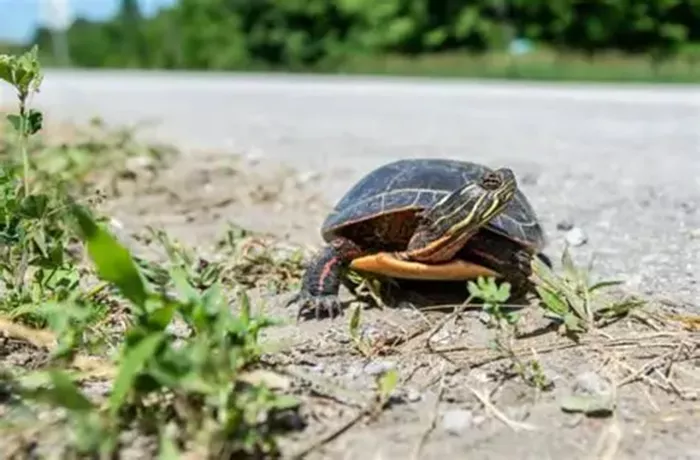
Painted turtles are some of the most popular freshwater turtles kept as pets worldwide. Their colorful shells and lively nature make them a joy to observe and care for. But if you’re a turtle owner or thinking about becoming one, you might be wondering: what fruits can painted turtles safely eat? Can fruit be a healthy part of their diet, or is it just a tempting treat? Let’s dive deep and find out.
Why Does Diet Matter for Painted Turtles?
First things first: understanding the diet of painted turtles is crucial because their health depends heavily on it. In the wild, painted turtles eat a variety of foods, including insects, aquatic plants, small fish, and yes — some fruits. However, the balance and type of food are very important.
Think of it this way — just like how you wouldn’t want to eat only candy every day, turtles need a balanced diet that includes proteins, vegetables, and sometimes fruits. If you feed your painted turtle the wrong foods, it can cause health problems, such as metabolic bone disease, which happens when turtles don’t get enough calcium or vitamin D3.
You might have heard about UVB lamps, which are like “artificial sunlight” for reptiles — these lamps help turtles synthesize vitamin D3, which is essential for absorbing calcium and keeping their shells strong.
So, while fruits aren’t the main part of a painted turtle’s diet, they can add variety and extra nutrients if given wisely.
What Do Painted Turtles Naturally Eat?
Before we talk about fruits, let’s briefly explore what painted turtles eat in their natural habitat.
Painted turtles are omnivores. This means they eat both animal and plant matter. Young painted turtles tend to eat more protein-rich food like small insects, tadpoles, and tiny fish to support their fast growth. Adult turtles gradually eat more plant material like algae, aquatic plants, and sometimes fruits or berries they might find near the water.
This natural diet is quite diverse, which helps them stay healthy. As pet owners, we try to mimic this variety so turtles get balanced nutrition.
Can Painted Turtles Eat Fruits?
Yes! Painted turtles can eat fruits — but there are some important things to remember.
Fruits are generally safe for painted turtles, but they should only be an occasional treat, not a daily staple. Fruits contain sugars, which in excess can harm turtles. Too much sugar can cause digestive problems and might upset their natural gut bacteria.
Imagine fruits as a dessert — delicious and nutritious in small amounts but not something to fill your whole meal with.
In the wild, turtles might nibble on fallen fruits or berries near ponds or rivers, so it’s natural for them to enjoy these flavors occasionally.
What Fruits Are Safe and Healthy for Painted Turtles?
When you decide to feed fruits to your painted turtle, choosing the right types is essential. Some fruits provide good vitamins and hydration, while others might be too acidic or sugary.
1. Berries (Strawberries, Blueberries, Raspberries)
Berries are a great option! They are rich in antioxidants and vitamins like vitamin C, which helps boost the immune system. Plus, they contain fiber, which aids digestion.
Berries are small and soft, making them easy for turtles to eat. However, always wash them thoroughly to remove pesticides or chemicals.
2. Apples (Without Seeds)
Apples are another good choice. They contain vitamins A and C and some fiber. But watch out — apple seeds contain trace amounts of cyanide, which is toxic. Always remove seeds and cut the apple into small pieces.
3. Melons (Cantaloupe, Watermelon)
Melons have high water content, which helps keep turtles hydrated, especially in warmer months. They are mild in flavor and low in sugar compared to some other fruits.
Avoid feeding the rind, as it can be hard to digest.
4. Bananas (In Moderation)
Bananas are sweet and rich in potassium, but because of their high sugar content, feed them sparingly. Overfeeding bananas can cause digestive upset and weight gain.
5. Mangoes and Papayas (Ripe Only)
These tropical fruits offer vitamins A and C, and enzymes that can aid digestion. Make sure the fruit is ripe and free from any additives.
Fruits to Avoid
Some fruits are not suitable for painted turtles, such as citrus fruits like oranges and lemons because they are too acidic and can irritate the turtle’s digestive system.
Also, avoid grapes because they can be hard for turtles to digest and may pose choking hazards.
How to Feed Fruits to Painted Turtles?
Feeding fruits to your painted turtle isn’t complicated, but a little care goes a long way.
−Wash fruits thoroughly before feeding to remove pesticides or dirt.
−Cut fruit into small, manageable pieces to avoid choking.
−Feed fruits only occasionally — about once or twice a week as a treat.
−Observe your turtle’s reaction. Some turtles love fruit, others not so much. If your turtle shows digestive problems after fruit feeding, reduce or stop giving fruit.
−Always remove uneaten fruit after a few hours to prevent water contamination.
Balancing Fruit Intake with Other Foods
Fruits should be part of a well-rounded diet. The bulk of a painted turtle’s diet should come from:
Protein sources: aquatic insects, worms, small fish, and commercial turtle pellets.
Vegetables and aquatic plants: leafy greens like kale, dandelion greens, and water plants like duckweed.
Calcium sources: cuttlebone or calcium supplements to keep their shell strong.
If you think of your turtle’s diet as a balanced meal plate, fruits are the small but important dessert section that provides extra flavor and nutrients.
What Happens if You Feed Too Much Fruit?
Overfeeding fruit can lead to health issues such as:
Digestive upset: diarrhea or bloating.
Unbalanced diet: too much sugar and not enough calcium or protein.
Shell problems: lack of calcium absorption can lead to soft shells or deformities.
So, moderation is the key!
Interesting Facts About Painted Turtles and Fruits
Did you know that in the wild, painted turtles have been observed eating wild berries like elderberries and blackberries? They also occasionally nibble on fallen fruit near ponds. This behavior helps them get important antioxidants and vitamins.
Another fun fact: juvenile turtles tend to prefer protein over fruits, but adults enjoy more plant matter including fruits.
Tips for Choosing Fresh and Safe Fruits
To make sure you are feeding your painted turtle the best fruits:
−Buy organic fruits when possible to avoid pesticides.
−Choose ripe but firm fruits to prevent quick spoilage.
−Avoid fruits with added sugars, preservatives, or coatings.
−Introduce new fruits gradually to monitor any allergic or digestive reactions.
What If My Turtle Refuses Fruits?
Not all turtles will like fruits — and that’s okay! Some painted turtles prefer protein or leafy greens. Don’t force them to eat fruit. Offer a variety and see what your turtle enjoys most.
Also, keep in mind that some turtles are picky eaters, and their preferences can change over time.
Why Hydration Matters Alongside Fruit
Fruits with high water content, like watermelon or cantaloupe, can help keep your turtle hydrated, especially during hot seasons. However, always ensure your turtle has clean fresh water to drink and swim in.
Think of fruit hydration like an extra refreshing drink on a summer day — nice but not a replacement for water.
The Role of Vitamin C in Turtles
Vitamin C is important for turtles just like it is for humans. It helps the immune system and wound healing. Fruits such as berries and mango provide vitamin C naturally.
However, turtles can also synthesize vitamin C from other sources, so fruits are just a helpful supplement rather than a necessity.
Common Myths About Feeding Fruits to Turtles
You might hear that feeding fruit to turtles causes health problems — this is only partly true. The truth is feeding too much fruit or the wrong types can cause issues. But in small, balanced amounts, fruit is safe and even beneficial.
Another myth is that turtles should only eat meat or plants — the truth is painted turtles are omnivores, meaning they thrive on a mixed diet.
How to Create a Healthy Fruit Mix for Your Painted Turtle
If you want to offer fruits as a mix, try combining small amounts of berries, apple slices (seedless), and melon cubes. This variety gives your turtle multiple flavors and nutrients.
Always watch how your turtle responds and adjust amounts accordingly.
Seasonal Considerations
Fruits can be especially beneficial in spring and summer when turtles are more active. In colder months, turtles eat less, and their metabolism slows, so reduce fruit treats during this time.
Feeding Fruits to Painted Turtles in a Nutritious Way
To wrap this up — fruits are a delicious and healthy addition to your painted turtle’s diet if fed correctly:
−Offer fruits occasionally, not daily.
−Choose safe fruits like berries, apples (no seeds), melon, and ripe mango.
−Avoid acidic or toxic fruits like citrus or grapes.
−Combine fruit with a balanced diet of protein and vegetables.
−Watch your turtle’s health and digestion carefully.
−Keep hydration and calcium intake in mind to prevent shell problems.
Conclusion
Feeding your painted turtle fruits can be a rewarding experience for both of you. Watching your turtle nibble on colorful berries or juicy melon pieces can be heartwarming. Just remember: moderation and balance are the keys to keeping your turtle happy and healthy.
So next time you wonder, “Can I give my painted turtle some fruit?” — the answer is a big yes, but with a mindful approach. Treat fruits as a tasty supplement, not the main meal, and your turtle will thrive.
If you want to take care of your turtle like a pro, keep learning about their unique needs, and always observe how your pet reacts to new foods. Great care leads to a long, healthy life for your shelled friend!
Related topics: