
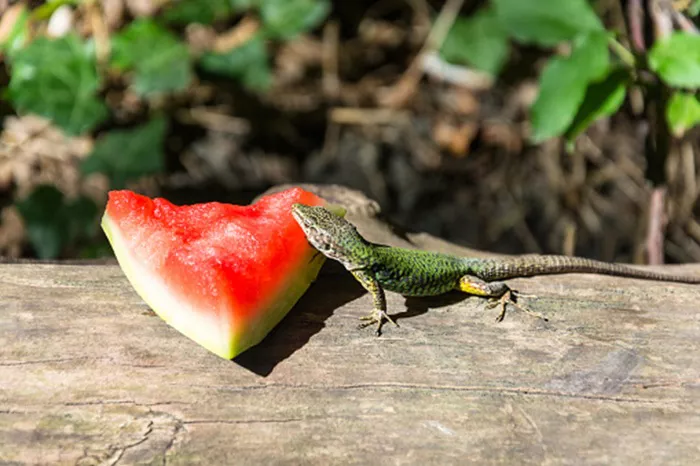
Lizards are fascinating creatures, known for their diverse diet and unique dietary preferences. As reptile enthusiasts, you might often wonder if you can safely offer your pet lizard a bite of watermelon. After all, it’s juicy, refreshing, and sweet—sounds like a tasty treat, right? But, before you share this colorful fruit with your reptilian companion, there are some important things you need to consider. In this article, we’ll dive into whether watermelon is safe for lizards, how to prepare it for them, and how to balance their diet for optimal health.
Understanding the Lizards’ Natural Diet
Before we get into the specifics of watermelon, let’s take a moment to understand what lizards typically eat in the wild. In their natural habitats, lizards are often opportunistic feeders. This means they will eat a variety of foods depending on what’s available. Some lizards are herbivores, munching on leaves, flowers, and fruits, while others are carnivores, hunting small insects, arachnids, or even other lizards.
For example, iguanas, which are herbivores, often eat a wide variety of fruits, vegetables, and flowers, while other species, such as geckos, thrive on a diet of insects. Knowing what your specific species of lizard prefers will help determine whether watermelon fits into their diet.
Can Watermelon Be Part of a Lizard’s Diet?
Now to the burning question—can lizards eat watermelon? Yes, in moderation, many lizards can eat watermelon, but there are a few important things to keep in mind.
Watermelon is a hydrating fruit, composed mostly of water, which can be beneficial for some lizard species, particularly those that come from hot, dry environments. The high water content can help hydrate your pet, especially during warmer months or if they’re in a dry environment.
However, not all lizards should eat watermelon, and the amount offered depends on the type of lizard. Let’s break it down for you.
Benefits of Watermelon for Lizards
Watermelon is packed with essential nutrients, which can provide some benefits for certain types of lizards. Here’s a quick breakdown:
Hydration: As mentioned, watermelon is primarily water (about 90%), making it a great source of hydration. For desert-dwelling lizards like bearded dragons, it’s especially helpful during hot weather or in dry habitats.
Vitamins: Watermelon contains vitamins like vitamin C, which can help boost your lizard’s immune system. This is particularly important for reptiles that need a strong immune system to ward off infections.
Fiber: The fruit is also a source of fiber, which helps in digestion. Proper digestion is essential for your pet’s overall health, so a small amount of watermelon can aid in this process.
Low in Calories: Watermelon is relatively low in calories, which makes it a good snack option for lizards that need to maintain a healthy weight.
Potential Risks of Feeding Watermelon to Lizards
While watermelon can be beneficial for lizards, it is important to remember that it should be fed sparingly. Here are a few potential risks to be aware of:
Too Much Sugar: Watermelon contains natural sugars, which can be too much for some lizards if consumed in excess. Overfeeding sugary fruits can lead to digestive problems, obesity, or even an imbalance in their diet.
Too Much Water: While hydration is important, offering too much watermelon can cause your lizard to experience bloating or diarrhea due to the excess water content.
Calcium Imbalance: Watermelon lacks calcium, which is crucial for lizard health, especially for species prone to metabolic bone disease (MBD). Offering too much watermelon and not enough calcium-rich foods can lead to calcium deficiency, affecting your lizard’s bones and overall health.
Which Lizards Can Safely Eat Watermelon?
Not all lizards should eat watermelon, and it’s important to know which species can handle this fruit in their diet. Here are some examples:
Iguanas: As primarily herbivores, iguanas can enjoy watermelon in moderation. It provides hydration and vitamins, but it should not be the main part of their diet.
Leopard Geckos: These insectivores should avoid sugary fruits like watermelon. Their diet primarily consists of insects and small animals, so fruits should only be offered as a very occasional treat.
Bearded Dragons: These omnivores can have watermelon as an occasional treat, but their diet should focus on vegetables, insects, and leafy greens. A small piece of watermelon can provide hydration, but it shouldn’t make up a large portion of their meals.
Tortoises: Many tortoises enjoy fruits, including watermelon, but it should be fed in moderation to prevent an overload of sugar and water.
How to Safely Feed Watermelon to Your Lizard
If you decide to feed your lizard watermelon, here are a few guidelines to ensure it’s safe:
Peel the Skin: Always peel the skin off the watermelon, as it can be hard for your lizard to digest. Stick to the flesh of the fruit.
Remove Seeds: Watermelon seeds should also be removed before offering the fruit to your lizard. Some seeds can be hard to digest or pose a choking hazard.
Cut into Small Pieces: Cut the watermelon into small, manageable pieces that your lizard can easily consume. This helps prevent choking or digestive issues.
Serve in Moderation: Watermelon should only be offered as an occasional treat, not a daily snack. Too much fruit can disrupt the balance of their diet, so offer small pieces no more than once or twice a week.
Watch for Reactions: Every lizard is different, so when offering a new food item, keep an eye out for any signs of discomfort, such as bloating, diarrhea, or lethargy. If you notice any adverse effects, stop feeding watermelon and consult a vet.
Watermelon Alternatives for Your Lizard
While watermelon can be a refreshing treat, it’s always good to have some alternatives on hand. Here are a few other fruits and vegetables that are safe for most lizards:
Cantaloupe: Like watermelon, cantaloupe is hydrating and packed with vitamins, making it a great alternative.
Papaya: Another sweet fruit that provides hydration and is packed with vitamin C.
Leafy Greens: Vegetables like collard greens, kale, and dandelion greens are high in calcium and fiber, making them a healthy choice for many lizards.
Squash and Sweet Potato: These vegetables are high in nutrients and can be a great addition to your lizard’s diet.
Conclusion
In conclusion, watermelon can be a safe and enjoyable treat for some lizards, especially during hot weather. It offers hydration, vitamins, and fiber. However, moderation is key—too much watermelon can lead to digestive issues or imbalance in their diet. Always tailor your pet’s diet to their specific needs, and consult with a veterinarian if you have concerns about their nutrition. Remember, a varied diet is the best way to ensure your lizard stays healthy and happy!
Related topics: