
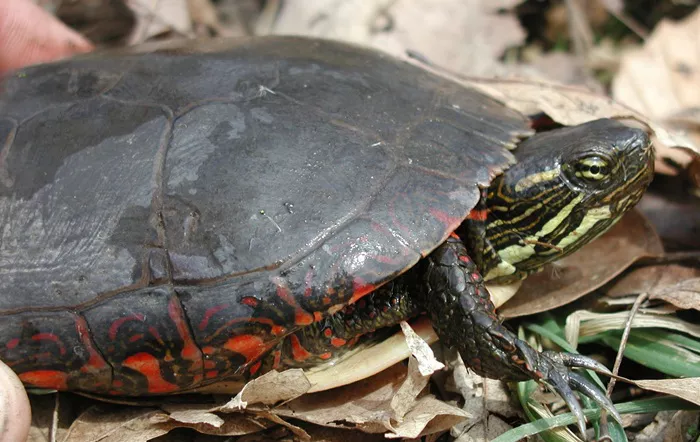
Painted turtles are one of the most common species of turtles found in North America. Known for their beautiful shells, these turtles live in a variety of habitats, from freshwater ponds to marshes. Painted turtles, like many other reptiles, have unique behaviors and instincts that help them survive and thrive in the wild. One of the most interesting behaviors exhibited by these turtles is the act of digging holes. This behavior can seem puzzling to many, but it plays a critical role in their survival and reproductive success.
In this article, we will explore why painted turtles dig holes, focusing on the ecological, reproductive, and survival strategies that drive this behavior. Understanding the reasons behind this behavior provides valuable insight into the life of these fascinating creatures.
The Basics of Painted Turtles
Before diving into the reasons why painted turtles dig holes, it’s important to understand a bit about their biology and behavior. Painted turtles are small to medium-sized freshwater turtles. They are easily recognized by their vibrant, multicolored markings on their shells and skin. Adult painted turtles typically grow between 4 to 10 inches in length, and they are known for their ability to thrive in a wide range of aquatic environments.
These turtles are omnivores, feeding on plants, small animals, and insects. They spend much of their time basking in the sun, which is essential for their digestion and overall health.
However, as fascinating as their behavior is, one of the most intriguing aspects of their life cycle involves the practice of digging holes.
Reproductive Behavior and Nesting
The primary reason painted turtles dig holes is for nesting purposes. Female painted turtles dig holes to lay their eggs, which is a critical part of their reproductive cycle. The nesting season typically occurs in the late spring and early summer, during which females will leave their aquatic habitats and travel to suitable dry areas for laying eggs.
Finding the Right Nesting Site
One of the most important factors in egg-laying for painted turtles is selecting the right location. Female turtles instinctively search for a dry, sandy, or loamy patch of land to dig their nests. The soil composition is crucial as it allows the eggs to be buried at the right depth, ensuring that they have enough warmth to incubate.
These turtles often prefer areas that are close to water but far enough to avoid the daily fluctuations of temperature and water levels. The nest must also be well-hidden to protect the eggs from potential predators. As a result, the process of digging is not just about creating a space for the eggs but also ensuring that the eggs have the best chance of survival.
The Digging Process
Once the female turtle has found a suitable site, she begins the digging process. She uses her hind legs, which are strong and equipped with claws, to excavate the soil. The hole must be deep enough to protect the eggs from the external environment and predators. Typically, a painted turtle’s nest will be about 4 to 6 inches deep, depending on the size of the turtle and the soil type.
The female turtle digs in a circular motion, working the soil until she creates a cavity just big enough to accommodate her eggs. After the eggs are laid, she covers the nest with soil, ensuring that it is well concealed. The turtle then leaves the nest and returns to the water, leaving her eggs to incubate in the warm soil.
Why Nesting Is Important
The act of digging a nest is crucial for the survival of the next generation of painted turtles. The eggs require warmth to incubate, and the soil provides an environment where the temperature can remain relatively stable. In addition to temperature, the soil also provides a level of protection from predators. When the female turtle leaves the nest, the eggs are left to incubate undisturbed until they hatch, typically after several weeks.
However, not all eggs survive. Predators such as raccoons, birds, and even other turtles can sometimes dig up the eggs, eating them before they have a chance to hatch. Therefore, the location of the nest is critical, as it must be hidden well enough to avoid detection. Female painted turtles dig multiple nests over the course of a single season to increase the chances of their eggs hatching successfully.
Environmental Factors That Influence Digging
While nesting is the primary reason for digging, environmental factors also play a significant role in the behavior of painted turtles. Factors such as temperature, humidity, and soil composition can influence how and where painted turtles dig. The right temperature is essential for the development of the eggs, as cooler soil can result in the eggs failing to develop properly.
Turtles are also highly influenced by their natural environment. Changes in their habitat, such as shifts in water levels or climate change, can cause turtles to alter their nesting behavior. This may lead them to dig in less optimal locations or at unusual times of the year. Over time, painted turtles have adapted to these environmental factors, allowing them to continue digging and nesting in a way that maximizes the survival of their offspring.
Hatchlings and Survival
Once the eggs hatch, the baby painted turtles, called hatchlings, emerge from the soil and make their way toward the water. This is a perilous journey, as the hatchlings are vulnerable to a variety of predators. They must quickly reach the safety of the water to avoid being eaten.
Interestingly, some painted turtle species, especially those in colder climates, may undergo a form of delayed hatching. In these cases, the hatchlings may remain in the egg until the following spring. This strategy ensures that they hatch when environmental conditions are more favorable.
Other Reasons for Digging Behavior
Although the primary reason for digging is related to nesting, there are a few other reasons why painted turtles may dig holes. For instance, in some cases, turtles may dig to create a burrow or retreat for themselves, especially when they are seeking shelter or hiding from predators. Digging may also occur when painted turtles are trying to find a cool or moist area to help regulate their body temperature.
However, these instances are less common compared to the nesting behavior. Most of the digging behavior observed in painted turtles is tied to their reproductive cycle.
Conclusion
Painted turtles dig holes primarily to lay their eggs, a crucial part of their reproductive cycle. The process of digging allows them to find the best possible site for egg incubation, ensuring that their offspring have the best chance of survival. Environmental factors such as temperature, humidity, and soil composition play a critical role in this behavior. Understanding the reasons behind why painted turtles dig holes helps us appreciate the complexities of their life cycle and the challenges they face in the wild. By protecting their nesting habitats, we can help ensure the continued survival of these fascinating reptiles.
Related topics: