
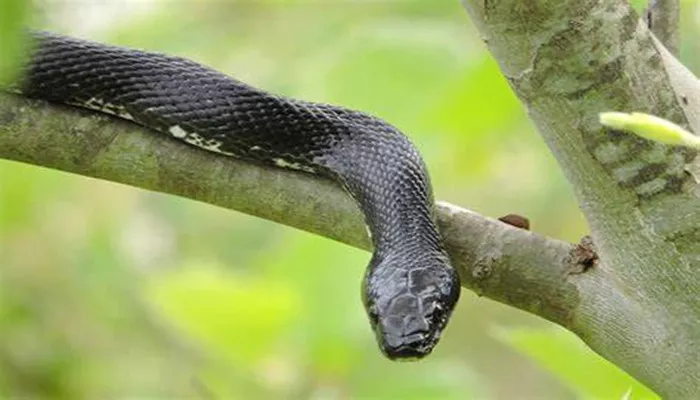
Snakes are fascinating reptiles that have adapted to live in many parts of the world. They are found in a variety of environments, from hot deserts to wet rainforests. Understanding where snakes live is important for learning about their behavior, ecology, and how they survive. Unlike many animals, snakes do not build nests or homes. Instead, they use natural shelters and choose habitats that provide food, protection, and the right climate. This article explores the many places snakes call home, the factors influencing their choice of habitat, and how different species have adapted to various environments. By studying where snakes live, we gain insight into their biology, their role in ecosystems, and how humans can coexist safely with them.
The Global Distribution of Snakes
Snakes are one of the most widespread groups of reptiles. They live on every continent except Antarctica. Their global presence shows their remarkable ability to adapt to different climates and ecosystems. In tropical regions, snakes thrive in warm and humid conditions, while in temperate areas, some species survive cold winters by hibernating. Snakes are also found on many islands, some of which have unique species not found anywhere else.
The variety of snake species—over 3,000 known today—means that their habitats are diverse. Some prefer dry, sandy deserts. Others live in lush rainforests. Some snakes are aquatic and spend much of their time in or near water. This diversity makes snakes a key part of many ecosystems worldwide.
Snakes in Forests
Forests provide a rich habitat for many snake species. These environments offer ample cover, food, and moisture. Tropical rainforests, with their dense vegetation and warm, humid climate, support a wide variety of snakes. Examples include boa constrictors and various tree snakes that live among the branches.
Temperate forests also host many snakes. In these environments, snakes may live under fallen logs, inside leaf litter, or in burrows made by other animals. The forest floor offers many places to hide from predators and to ambush prey. Seasonal changes in temperate forests influence snake behavior. In colder months, snakes become less active or enter hibernation to survive low temperatures.
Snakes in Deserts
Deserts are challenging environments due to extreme temperatures and limited water. However, many snake species have adapted to survive in these harsh conditions. Desert snakes have special adaptations that help them conserve water and avoid the heat of the day.
These snakes often live underground or in burrows to escape the sun. Some species, like the sidewinder rattlesnake, move across loose sand in a unique way to avoid overheating. They hunt mostly at night when temperatures are cooler. Desert snakes eat small mammals, reptiles, and insects adapted to the desert.
Despite the dryness, deserts provide enough food and shelter for snakes to thrive. Their presence in deserts demonstrates their adaptability to extreme environments.
Snakes in Grasslands and Savannas
Grasslands and savannas are open habitats with scattered trees and shrubs. These areas support many snake species that rely on grass and low vegetation for cover. Snakes here must be able to hide from predators and ambush prey effectively.
Many snakes in grasslands feed on rodents, birds, and insects that live in the grass. They may also use burrows made by other animals for shelter. The open nature of these habitats means snakes need to be alert and quick to avoid danger.
Seasonal changes in grasslands, such as wet and dry seasons, influence snake activity and reproduction. Snakes in these environments often have behaviors and breeding cycles that match the availability of food and water.
Snakes in Wetlands and Swamps
Wetlands, swamps, and marshes provide rich habitats for snakes that depend on water. Many species live in or near freshwater systems, such as rivers, lakes, and ponds. These aquatic or semi-aquatic snakes often feed on fish, amphibians, and other small aquatic animals.
Water snakes and cottonmouths are examples of snakes that thrive in wet environments. They can swim well and often hunt in the water. The abundance of food and shelter in wetlands makes these areas ideal habitats for many snake species.
Wetlands also provide important breeding grounds for snakes. Some species lay eggs in moist soil or vegetation near water. Others give birth to live young in these habitats. Protection from predators and suitable environmental conditions make wetlands important for snake survival.
Snakes in Mountains
Snakes can also be found in mountainous regions, although fewer species live at high altitudes. Mountain habitats offer cooler temperatures and rugged terrain. Snakes living here must adapt to colder weather and rocky landscapes.
Mountain snakes often live in crevices, under rocks, or in forested areas on mountain slopes. They are usually more active during warmer parts of the day or season. Some species hibernate or become dormant in winter to survive the cold.
The variation in elevation creates microhabitats with different climates, allowing snakes to find suitable living conditions even in mountains.
Snakes in Urban and Agricultural Areas
In recent years, snakes have also been found living near human settlements, including cities and farms. Urban environments can offer new sources of food such as rodents and birds attracted to garbage or crops.
Snakes living near humans often use gardens, parks, abandoned buildings, and fields for shelter. They take advantage of human-altered environments to find food and avoid natural predators.
However, human-snake encounters sometimes cause conflicts, leading to fear and harm to snakes. Understanding snake behavior and habitats near urban areas can help reduce these conflicts and promote coexistence.
The Role of Microhabitats in Snake Life
Within any broad habitat type, snakes rely on microhabitats—small areas with specific conditions that meet their needs. These microhabitats provide shelter, food, and temperature regulation.
Common microhabitats include leaf litter, rock piles, hollow logs, underground burrows, and dense vegetation. For example, some snakes prefer to hide under rocks during the day and hunt at night. Others live in tree canopies, using branches and vines to move and find prey.
Microhabitats are critical for snakes to avoid predators, regulate their body temperature, and reproduce. The availability and quality of these microhabitats can affect snake populations and health.
Environmental Factors Influencing Snake Habitats
Several environmental factors influence where snakes live. Temperature is one of the most important because snakes are cold-blooded and depend on external heat to regulate their body temperature. This need often limits snakes to warmer climates or microhabitats with suitable warmth.
Humidity is also important, especially for species with sensitive skin or those that lay eggs. Many snakes require moist environments for egg incubation and skin health.
Availability of prey strongly determines snake presence. Snakes follow populations of rodents, amphibians, insects, birds, and other animals they feed on.
Predation pressure influences snake habitat choice as well. Snakes avoid areas with many predators or use habitats where they can hide easily.
Human activity impacts snake habitats by altering landscapes, polluting environments, and causing habitat fragmentation. Conservation efforts aim to protect snake habitats and maintain ecological balance.
Adaptations Allowing Snakes to Thrive in Various Habitats
Snakes have evolved many adaptations to live in different habitats. These adaptations include physical, behavioral, and physiological traits.
In deserts, some snakes have specialized scales that reduce water loss and allow movement on sand. Arboreal snakes have long, slender bodies and prehensile tails to climb trees. Aquatic snakes possess flattened tails for swimming.
Behaviorally, snakes may be nocturnal to avoid heat or predators. Some use camouflage to blend with their surroundings, enhancing survival and hunting success.
Physiologically, snakes can tolerate a range of temperatures and survive without water for long periods. Some species can slow their metabolism during cold or dry seasons.
Conservation of Snake Habitats
Protecting snake habitats is essential for preserving biodiversity and ecological health. Many snake species face threats from habitat destruction, pollution, and climate change.
Conservation efforts focus on protecting natural habitats like forests, wetlands, and deserts. Creating protected areas and wildlife corridors helps snakes move and find resources.
Educating the public about the ecological role of snakes and safe ways to coexist reduces unnecessary killing and fear.
Research on snake habitat use and population trends informs conservation strategies and helps maintain healthy snake populations worldwide.
Conclusion
Snakes live in a wide variety of habitats around the world. From tropical forests and deserts to wetlands and mountains, snakes have adapted to thrive in many environments. Their survival depends on finding suitable places with food, shelter, and proper climate conditions.
Understanding where snakes live helps us appreciate their ecological importance and the need to protect their habitats. As adaptable and diverse creatures, snakes are essential members of many ecosystems. Protecting their homes benefits both snakes and the health of the natural world.
Related topics: