
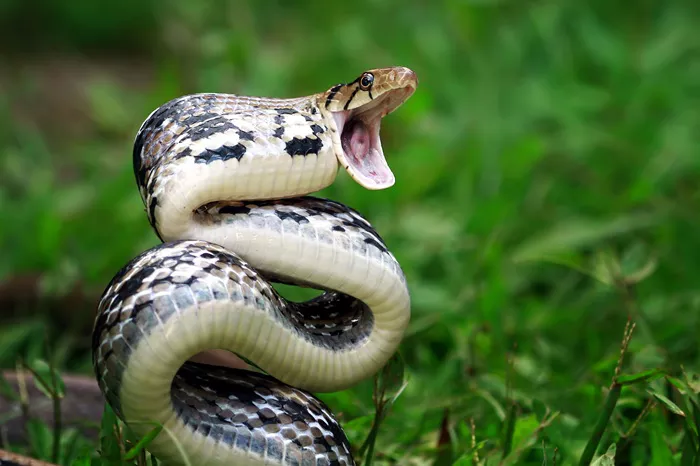
Snakes have fascinated humans for centuries. These reptiles, belonging to the suborder Serpentes, come in various shapes, sizes, and behaviors. Some snakes are harmless, while others are incredibly dangerous to humans and other animals. The term “deadliest” when applied to snakes often refers to those with venom potent enough to cause death or serious harm if untreated. However, deadliness can also consider other factors, such as how aggressive a snake is, how often it encounters humans, and how effective its venom is.
This article explores the deadliest snakes in the world from a zoological standpoint. It discusses the types of venom, how venom works, and profiles some of the most dangerous snake species on Earth. Understanding these snakes helps increase awareness and respect for these often misunderstood reptiles.
Understanding Snake Venom and Its Effects
Venom is a complex mixture of proteins and enzymes produced by specialized glands in venomous snakes. It is delivered through fangs when a snake bites its prey or a perceived threat. Venom serves primarily to immobilize and digest prey, but it can also be a defensive tool.
There are several types of venom with different effects:
Neurotoxic venom attacks the nervous system, leading to paralysis and respiratory failure.
Hemotoxic venom destroys blood cells and tissues, causing internal bleeding and organ damage.
Cytotoxic venom causes local tissue destruction, swelling, and pain.
Myotoxic venom affects muscles, leading to muscle damage and breakdown.
The deadliest snakes often have venom containing a combination of these effects, making their bites highly dangerous.
The severity of a snakebite depends on several factors: the amount of venom injected, the bite location, the size and health of the victim, and how quickly medical treatment begins.
How Is Deadliness Measured?
Scientists use various methods to measure the deadliness of snake venom:
LD50 (Lethal Dose 50%) is a standard measure in toxicology. It represents the amount of venom needed to kill 50% of a test population (usually mice) under controlled conditions. The lower the LD50, the more potent the venom.
Venom yield is the amount of venom a snake can inject in a single bite.
Aggressiveness and likelihood to bite influence deadliness to humans.
Human fatalities and recorded medical cases provide real-world data on the danger posed.
It’s important to remember that deadliness does not always mean a snake is the most dangerous overall. Some snakes with potent venom rarely bite humans due to their behavior or habitat.
The Deadliest Snakes in the World
Inland Taipan (Oxyuranus microlepidotus)
Known as the “fierce snake” or “small-scaled snake,” the Inland Taipan holds the title of having the most toxic venom of any snake on Earth based on LD50 studies. Its venom is estimated to be up to 50 times more toxic than that of the Indian cobra.
The Inland Taipan is native to Australia’s arid central regions. Despite its deadly venom, this snake is reclusive and rarely encountered by humans. It primarily preys on small mammals like rats and mice, using its venom to quickly immobilize them.
The venom contains neurotoxins, hemotoxins, and myotoxins, which can cause paralysis, internal bleeding, muscle damage, and death within hours if untreated. Rapid administration of antivenom is critical for survival after a bite.
Black Mamba (Dendroaspis polylepis)
The Black Mamba is one of Africa’s most feared snakes due to its size, speed, aggression, and potent venom. It can grow up to 14 feet (4.3 meters) long, making it one of the longest venomous snakes in the world.
Its venom is predominantly neurotoxic, causing symptoms such as muscle weakness, paralysis, respiratory failure, and eventually death. Without prompt treatment, a Black Mamba bite is almost always fatal within 7 to 15 hours.
Black Mambas are highly territorial and defensive when threatened. They can strike repeatedly, delivering large amounts of venom. Despite this, they tend to avoid humans if possible.
King Cobra (Ophiophagus hannah)
The King Cobra is the world’s longest venomous snake, reaching lengths up to 18 feet (5.5 meters). It is found in forests throughout Southeast Asia.
King Cobra venom is powerful and primarily neurotoxic, causing severe pain, paralysis, and death if untreated. It also contains enzymes that damage tissues and organs.
Unlike many other snakes, King Cobras are known for their intelligence and complex behaviors. They actively hunt other snakes, including venomous species, and their bites are a significant medical concern in their range.
Coastal Taipan (Oxyuranus scutellatus)
Another highly venomous Australian snake, the Coastal Taipan has venom that is nearly as toxic as that of the Inland Taipan. It inhabits coastal regions and rainforests.
The venom includes neurotoxins and blood toxins that cause paralysis, bleeding, and tissue destruction. It is responsible for several fatal bites each year in Australia.
Coastal Taipans are fast, aggressive when cornered, and capable of striking multiple times in quick succession.
Saw-scaled Viper (Echis carinatus)
Though smaller and less potent in venom toxicity compared to the others, the Saw-scaled Viper is often cited as one of the deadliest due to the number of human fatalities it causes annually. It inhabits arid regions of the Middle East, Africa, and South Asia.
The venom is hemotoxic, causing severe tissue damage, internal bleeding, and blood clotting disorders. Saw-scaled Vipers are aggressive and found in densely populated areas, increasing human encounters.
Their rapid strikes and tendency to bite repeatedly make them particularly dangerous.
Boomslang (Dispholidus typus)
The Boomslang is a rear-fanged snake native to sub-Saharan Africa. Its venom is highly potent and hemotoxic.
Symptoms of Boomslang bites include severe internal bleeding and swelling, which can lead to death if untreated. However, the Boomslang is generally shy and bites humans very rarely.
Fer-de-Lance (Bothrops asper)
Found in Central and South America, the Fer-de-Lance is responsible for many snakebite incidents due to its aggressive behavior and proximity to human settlements.
Its venom is hemotoxic and cytotoxic, causing intense pain, swelling, tissue necrosis, and systemic bleeding. Bites require urgent medical care to prevent death or permanent damage.
Venom Delivery Mechanisms
The deadliness of snakes is partly influenced by how they deliver venom. Different species have distinct fang structures and biting behaviors:
Proteroglyphous snakes, like cobras and mambas, have fixed front fangs. These fangs are hollow and allow rapid venom injection.
Solenoglyphous snakes, such as vipers and pit vipers, have long, hinged fangs that fold back when not in use. These can deliver deep venom injections.
Opisthoglyphous snakes have rear fangs and often deliver venom less efficiently.
The venom delivery method impacts the severity of envenomation and influences the deadliness.
Factors Influencing Human Fatalities
While venom toxicity is crucial, several other factors affect how dangerous a snake is to humans:
Habitat overlap: Snakes living near human populations have more bite incidents.
Behavior: Aggressive and defensive snakes are more likely to bite.
Medical access: Areas with poor access to antivenom see higher mortality rates.
Public awareness: Education on snakebite prevention and first aid can reduce deaths.
How to Stay Safe Around Deadly Snakes
−Avoid walking barefoot in areas where venomous snakes live.
−Wear protective clothing, such as boots and long pants.
−Stay on cleared trails and avoid tall grass or underbrush.
−Be cautious when handling or approaching snakes.
−Learn how to identify local venomous species.
−In case of a bite, seek immediate medical attention and avoid traditional remedies.
The Importance of Snakes in Ecosystems
Despite their fearsome reputation, snakes play vital roles in ecosystems:
−They control rodent populations, reducing crop damage and disease spread.
−Snakes serve as prey for other animals, maintaining food web balance.
−Venom research contributes to medical advances, including treatments for heart attacks and blood disorders.
Understanding and respecting snakes reduces unnecessary killing and promotes coexistence.
Conclusion
The deadliest snakes in the world combine potent venom with behaviors that can threaten humans. Species like the Inland Taipan, Black Mamba, King Cobra, and Saw-scaled Viper stand out for their venom toxicity and impact on human health. However, deadliness is a complex concept influenced by venom potency, snake behavior, habitat, and human factors.
Education, caution, and access to medical care remain the best defenses against deadly snakebites. Snakes, while dangerous, are essential components of the natural world, deserving both respect and protection.
Related topics: