
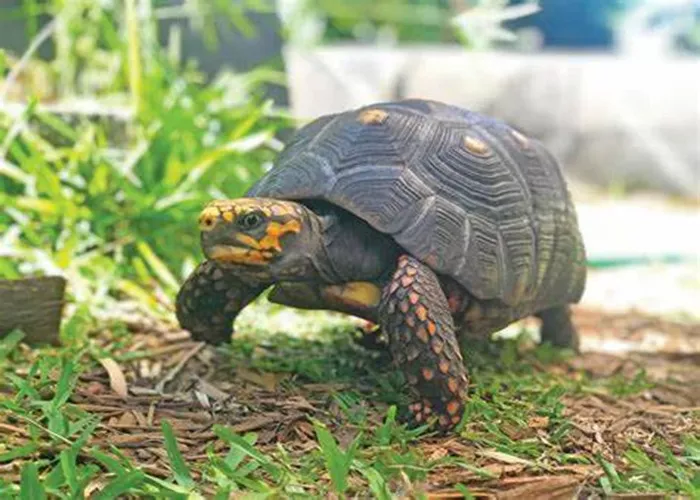
Redfoot tortoises (Chelonoidis carbonarius) are among the most popular tortoise species kept as pets. They are admired for their distinctive red or orange scales on their limbs, which give them their name. These tortoises are native to the tropical forests and savannas of South America, especially countries like Brazil, Venezuela, Colombia, and parts of the Caribbean.
Understanding the lifespan of a redfoot tortoise is essential for both pet owners and wildlife enthusiasts. Lifespan impacts how we care for them, plan their environment, and manage their health. In the wild, redfoot tortoises face many challenges, while in captivity, they may live longer with proper care.
This article will explore the lifespan of redfoot tortoises in detail. It will cover their natural longevity, factors that influence their lifespan, the role of habitat and diet, common health concerns, and how owners can help them live long and healthy lives. By the end, readers will gain a thorough understanding of how long redfoot tortoises live and what it takes to support their longevity.
Natural Lifespan of Redfoot Tortoises
In the wild, redfoot tortoises live in diverse environments ranging from tropical forests to open grasslands. Their natural lifespan is influenced by many factors, including predation, food availability, climate, and disease. On average, wild redfoot tortoises can live between 30 and 50 years.
However, some individuals may live longer if conditions are favorable. There are reports of redfoot tortoises reaching up to 60 years in the wild, though this is less common. Predation by animals such as birds, mammals, and reptiles can reduce their chances of reaching old age. Additionally, environmental hazards and human activity, such as habitat destruction and hunting, can shorten their natural lifespan.
In the wild, tortoises also face periods of drought or food scarcity. These stresses can affect their health and reduce longevity. Despite these challenges, redfoot tortoises are known for their resilience, thanks to their slow metabolism and protective shells.
Lifespan of Redfoot Tortoises in Captivity
Captive redfoot tortoises often live longer than their wild counterparts. When provided with appropriate care, a stable environment, and protection from predators and diseases, they can live well beyond 50 years. Many redfoot tortoises kept as pets reach ages between 40 and 60 years, with some even living up to 70 years.
Captivity eliminates many natural threats but introduces new challenges. Proper husbandry practices are crucial for extending their lifespan. A well-maintained habitat with correct temperature, humidity, lighting, and diet helps maintain their health. Regular veterinary care also reduces risks from parasites and infections.
In captivity, the longevity of redfoot tortoises depends largely on the quality of care they receive. Neglect or improper husbandry can lead to shortened lifespans due to nutritional deficiencies, shell problems, or chronic illnesses.
Factors Influencing the Lifespan of Redfoot Tortoises
Several key factors influence how long redfoot tortoises live, both in the wild and captivity:
Diet and Nutrition
A balanced diet is essential for tortoise health and longevity. Redfoot tortoises are omnivorous with a preference for a mix of fruits, vegetables, leafy greens, and occasional animal protein. In the wild, they forage a wide variety of plants and insects. In captivity, a diet that mimics this variety supports their nutritional needs and prevents problems like metabolic bone disease. Calcium and vitamin D3 supplementation are important to maintain strong shells and bones.
Habitat and Environmental Conditions
Temperature, humidity, and lighting strongly affect redfoot tortoises. They require warm temperatures (around 80-90°F or 27-32°C) and high humidity (70-80%) to thrive. UVB lighting is critical in captivity as it enables vitamin D3 synthesis, which helps in calcium absorption. Improper environmental conditions can weaken the immune system, slow metabolism, and reduce lifespan.
Health Care and Disease Prevention
Parasitic infections, respiratory illnesses, and shell diseases are common health risks for redfoot tortoises. Regular veterinary check-ups and parasite control improve survival rates. Early detection and treatment of illnesses contribute to longevity.
Genetics
Like all animals, genetics influence lifespan. Some redfoot tortoises are naturally more robust and live longer. Responsible breeding practices help maintain healthy genetic lines and prevent inherited diseases.
Stress and Handling
Excessive stress from improper handling, inadequate enclosure size, or noisy environments can harm tortoises. Stress affects their immune function and growth, which may shorten life expectancy.
Growth and Development Relative to Lifespan
Redfoot tortoises have a slow growth rate compared to many reptiles. They typically reach full size after 8 to 10 years. This slow development is part of their strategy for a long life. Young tortoises are more vulnerable, but once they reach maturity, they gain strength and resilience.
Their slow metabolism means they require less food and energy to maintain their bodies. This conserves resources and helps them survive periods of scarcity. It also contributes to their longevity since slower metabolic rates tend to correlate with longer lifespans in many species.
Signs of Aging in Redfoot Tortoises
As redfoot tortoises age, several physical and behavioral changes can be observed. These signs help owners understand the tortoise’s life stage and adapt care accordingly:
Shell Texture and Growth Rings
Older tortoises often have smoother shells, as growth slows and wear accumulates. Growth rings on the scutes become less pronounced over time.
Reduced Activity
Senior tortoises may move slower and bask less frequently. This is a normal part of aging but can be worsened by poor health.
Changes in Appetite
Elderly tortoises sometimes eat less. A decreased appetite may indicate health issues or just natural aging.
Vision and Sensory Changes
Older tortoises can experience reduced vision or less responsiveness to stimuli.
Weight Loss
Unexplained weight loss in an aging tortoise can be a red flag and requires veterinary attention.
How to Maximize the Lifespan of Redfoot Tortoises
Caring for a redfoot tortoise with the goal of maximizing its lifespan involves several best practices:
Provide a Proper Diet
Offer a wide variety of leafy greens, fruits, and vegetables. Supplement calcium and vitamin D3 to support shell and bone health. Avoid high-protein diets as they can damage kidneys.
Maintain Optimal Habitat Conditions
Ensure appropriate temperature gradients, humidity levels, and UVB lighting. A spacious enclosure with hiding spots and access to natural sunlight is ideal.
Regular Veterinary Care
Schedule routine health check-ups to detect and treat illnesses early. Parasite screenings and shell inspections are important.
Stress Reduction
Handle the tortoise gently and avoid sudden changes in environment. Keep noise and disturbances low.
Enrichment and Exercise
Encourage natural behaviors like foraging and exploring. This maintains physical fitness and mental stimulation.
Proper Hydration
Provide fresh water for drinking and soaking. Redfoot tortoises benefit from regular soaking to aid hydration and help with shedding.
Comparing Redfoot Tortoise Lifespan to Other Tortoise Species
Redfoot tortoises have a moderate lifespan compared to other tortoises. For example:
Galápagos Tortoises
Known for their extraordinary longevity, Galápagos tortoises can live over 100 years, sometimes reaching 150.
Sulcata Tortoises
Sulcata tortoises typically live 50 to 70 years in captivity.
Russian Tortoises
Russian tortoises have shorter lifespans of about 40 to 50 years.
Redfoot tortoises fall in the middle range, making them a manageable long-term pet for enthusiasts willing to commit to decades of care.
Common Health Issues Affecting Lifespan
Some diseases and conditions frequently impact redfoot tortoises and can shorten their lifespan if untreated:
Respiratory Infections
Caused by bacteria or viruses, often due to poor humidity or temperature control.
Metabolic Bone Disease (MBD)
Results from calcium deficiency or inadequate UVB light, leading to weak bones and shell deformities.
Parasites
Internal and external parasites can cause chronic illness and weight loss.
Shell Rot
A bacterial or fungal infection of the shell, often due to unsanitary or overly moist conditions.
Vitamin Deficiencies
Lack of essential vitamins, especially vitamin A, can affect vision, skin, and immune function.
Prompt diagnosis and treatment of these issues can significantly improve lifespan.
The Role of Conservation and Captive Breeding
Redfoot tortoises face threats in the wild, including habitat loss and illegal pet trade. Conservation efforts and responsible captive breeding programs help maintain wild populations and provide healthy tortoises for the pet trade.
Captive breeding also allows for genetic diversity and healthier animals, which can live longer than wild-caught individuals. Educating owners about proper care supports the health and longevity of captive redfoot tortoises worldwide.
Conclusion
Redfoot tortoises can live long, fulfilling lives both in the wild and captivity. In nature, their lifespan averages 30 to 50 years but can sometimes reach 60 years. In captivity, with excellent care, many live 50 to 70 years, and some even longer.
The key to a long life lies in proper diet, habitat, health care, and stress management. Understanding their natural behaviors and needs helps owners provide the best environment possible.
For anyone considering a redfoot tortoise as a pet, it is important to be prepared for a lifelong commitment. These tortoises are not only fascinating animals but also companions that can live for many decades, rewarding their caretakers with years of interaction and enjoyment.
By following good husbandry practices and learning about their biology and ecology, redfoot tortoise owners can ensure their animals live healthy, long lives.
Related topics: