
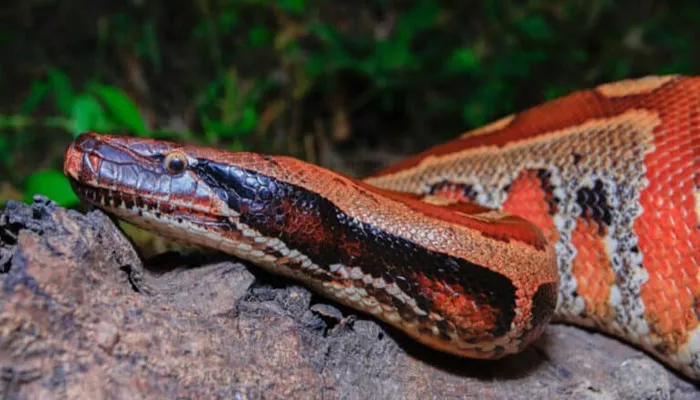
Blood pythons (Python brongersmai) are fascinating snakes native to Southeast Asia, particularly found in Malaysia, Thailand, Sumatra, and parts of Indonesia. Known for their stout bodies, vivid colors, and strong personalities, these snakes have gained popularity in the exotic pet trade. For anyone interested in keeping a blood python, understanding their lifespan is essential. It helps in preparing for the long-term commitment they require and allows proper care planning to ensure a healthy and full life for the animal.
This article explores the lifespan of blood pythons in both the wild and captivity. We will examine the factors that influence their longevity, such as genetics, diet, environment, healthcare, and stress levels. We will also provide practical guidance for keepers who want to maximize the lifespan of their pet blood python. By the end, readers should have a clear and scientifically grounded understanding of what determines how long a blood python lives.
Average Lifespan of Blood Pythons
Blood pythons are relatively long-lived reptiles. When properly cared for, they can live for several decades. However, their lifespan can vary significantly depending on whether they live in the wild or captivity.
Lifespan in the Wild
In the wild, blood pythons typically live around 10 to 15 years. This range is considered average, although some individuals may live slightly longer if environmental conditions are favorable. Several challenges in the wild reduce their potential lifespan:
−Predation from birds of prey, large mammals, and humans
−Habitat destruction, especially due to palm oil plantations and deforestation
−Diseases and parasites that may not be treated
−Inconsistent food availability, especially during dry or cold seasons
−Human interaction, including capture for the pet trade or hunting
Although wild blood pythons are well adapted to their environments, these factors increase mortality and limit the number of individuals who reach old age.
Lifespan in Captivity
In captivity, where stressors are minimized and veterinary care is available, blood pythons often live 20 to 25 years, with some individuals exceeding 30 years. These snakes benefit from:
−Regular feeding schedules
−Protection from predators
−Controlled environmental conditions
−Access to veterinary care
−Lack of environmental toxins
However, achieving a long lifespan in captivity requires knowledge, dedication, and consistency on the part of the keeper. Even though they have the potential to live for decades, improper care can reduce their lifespan significantly.
Key Factors That Influence Lifespan
Several biological and environmental factors influence how long a blood python can live. These include both external elements like husbandry and internal elements like genetics.
Diet and Nutrition
Feeding is one of the most critical aspects of blood python care. In the wild, they are opportunistic predators that feed on small mammals and birds. In captivity, they are typically offered rats, quail, or other appropriately sized prey. To maintain a healthy weight and support good metabolism, their diet must be nutritionally balanced, the prey size should match the snake’s girth, and feedings should occur at proper intervals. Overfeeding or providing prey that is too large can lead to obesity, which contributes to liver disease, cardiovascular strain, and a reduced lifespan. Conversely, underfeeding can result in stunted growth, malnourishment, and a weakened immune system. Therefore, a well-regulated feeding schedule tailored to the snake’s age and size is essential for long-term health and longevity.
Environmental Conditions
Blood pythons require a habitat that closely mimics the warm, humid environments they come from. Maintaining a proper thermal gradient, ideally between 75°F and 88°F (24°C to 31°C), and humidity levels ranging from 60% to 80% is essential. In addition to climate control, access to clean water, appropriate substrate, and secure hiding places must be consistently provided. Without these environmental basics, snakes are prone to health problems such as respiratory infections, scale rot, and dehydration. Long-term exposure to suboptimal conditions severely compromises their immune system and can significantly shorten their lifespan. Keeping the enclosure clean and using safe, absorbent substrates also minimizes bacterial and fungal risks, helping the snake stay healthy over the years.
Stress Levels
Stress is a major yet often underestimated factor that affects the health and lifespan of blood pythons. Snakes housed in noisy environments, handled too frequently, or kept in enclosures without proper hiding spots may suffer from chronic stress. Common signs include persistent hissing, food refusal, defensive posturing, erratic movement, or prolonged hiding. Chronic stress weakens the immune system, making the snake more vulnerable to disease and infection. To promote a long and healthy life, it’s important to keep handling minimal, especially during shedding or after feeding, and to house the snake in a quiet, low-traffic area with plenty of secure hiding spaces. A calm, stable environment is essential to minimize stress and support overall well-being.
Signs of Aging in Blood Pythons
As blood pythons age, their physical appearance and behavior begin to change. These changes typically become noticeable after the snake reaches 15 to 20 years of age. Physically, older snakes may develop thicker, less elastic skin, and their coloration might appear slightly duller. Their movements become slower, and they may exhibit reduced appetite and gradual weight loss. Cloudiness in the eyes can also occur, though this should not be confused with normal shedding-related changes. Behaviorally, senior blood pythons tend to be more sedentary and may shed less frequently due to a slower metabolism. They might also become more selective with food and show less tolerance to handling. Being observant and adjusting care practices to accommodate these changes can help aging blood pythons remain comfortable and healthy for as long as possible.
How to Maximize a Blood Python’s Lifespan
Caring for a blood python over two or three decades is a major responsibility. To help them live as long as possible, owners should follow several best practices. A proper enclosure should be spacious, secure, and easy to clean, with hiding spots available on both the warm and cool sides. Temperature and humidity must be kept consistent, using thermostats and hygrometers to avoid fluctuations that can stress the snake or cause illness.
Feeding should follow a regular schedule. Offer prey that is appropriately sized for the snake’s girth, typically every two to four weeks for adults. Avoid overfeeding, which can lead to obesity, and monitor the snake’s weight to adjust feeding as needed. Reducing stress is also key—allow the snake time to adjust to new environments, avoid handling after feeding or during shedding, and keep the enclosure in a quiet, low-traffic area.
Hygiene is essential for long-term health. Spot-clean the enclosure regularly, change the substrate monthly or as needed, and disinfect water bowls and surfaces to prevent the growth of harmful bacteria. Veterinary care is equally important. Find an experienced reptile vet, schedule annual checkups, and test regularly for parasites, deworming when necessary. Routine care and clean conditions go a long way in supporting a long, healthy life.
Lifespan Records and Notable Cases
Some blood pythons have lived over 30 years in captivity, often in zoos or private collections. These long-lived individuals are usually captive-bred, housed in ideal conditions, and rarely moved or rehomed. Consistent care, stable environments, and close health monitoring have all contributed to their longevity. While not common, these cases show the species’ potential when given exceptional attention.
Conclusion
Blood pythons are impressive reptiles with the potential to live long, fulfilling lives when provided proper care. While wild individuals often live only 10 to 15 years due to predators, disease, and environmental challenges, captive snakes can reach 20 to 25 years or even longer under ideal conditions. Their longevity depends on many factors, including genetics, nutrition, environmental stability, and veterinary support.
Anyone considering a blood python as a pet should be prepared for a decades-long commitment. By understanding their needs and recognizing the importance of proper care, keepers can ensure their snakes thrive for many years. With attention to detail and a commitment to responsible husbandry, the blood python can be a rewarding long-term companion in any reptile enthusiast’s collection.
Related topics: