
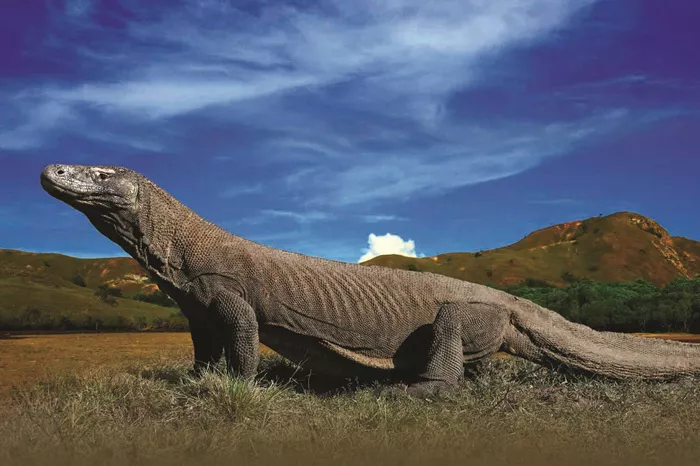
Komodo dragons are among the most fascinating and fearsome reptiles on Earth. As the largest living lizards in the world, their size alone has made them the subject of countless studies and wildlife documentaries. But how big do Komodo dragons actually grow? To answer this question thoroughly, we must explore various aspects of their biology, behavior, and environmental conditions.
This article will explain in detail the maximum and average sizes of Komodo dragons, the factors that influence their growth, the differences between males and females, their growth patterns throughout life, and how their size contributes to their role in the ecosystem.
Introduction to Komodo Dragons
Komodo dragons (scientific name: Varanus komodoensis) are a species of monitor lizard found in the Indonesian islands of Komodo, Rinca, Flores, Gili Motang, and Padar. These reptiles are part of the Varanidae family, which includes other monitor lizards. However, Komodo dragons are unique because of their enormous size and dominant role as apex predators in their habitat.
They are known for their muscular bodies, thick tails, sharp claws, and powerful jaws. Their skin is covered in rough, scaly armor, and they have keen senses of smell and vision. Despite their slow and heavy appearance, they are capable of sudden bursts of speed when hunting.
One of the most intriguing features of the Komodo dragon is its size. This attribute is not only impressive but also critical to its survival strategy. To understand how big Komodo dragons grow, we must look at the averages, extremes, and the science behind their growth.
Average Size of Komodo Dragons
On average, Komodo dragons are quite large. Most adult males measure between 8 to 9 feet (2.4 to 2.7 meters) in length and weigh around 175 to 200 pounds (79 to 91 kilograms). Females are generally smaller, typically reaching about 6 feet (1.8 meters) in length and weighing approximately 150 pounds (68 kilograms).
These averages are based on wild populations. In captivity, the size can vary slightly due to differences in diet, space, and activity levels. Nonetheless, even the average Komodo dragon is a formidable creature when compared to other lizard species.
Maximum Size of Komodo Dragons
While the average size of Komodo dragons is already impressive, some individuals can grow much larger. The largest Komodo dragon ever recorded was over 10 feet (3.1 meters) in length and weighed more than 360 pounds (163 kilograms). These exceptional specimens are rare but demonstrate the upper limits of the species’ growth potential.
Larger dragons are usually older males that have survived long enough to reach their full genetic potential. These giants are often dominant in their territories, with fewer natural threats and access to better food sources.
Sexual Dimorphism in Size
Sexual dimorphism refers to differences in size and appearance between males and females of the same species. In Komodo dragons, this difference is quite pronounced. As mentioned earlier, males are generally larger than females in both length and weight.
This size difference is believed to have evolved due to the different roles that males and females play in reproduction and survival. Males engage in frequent combat during the mating season, wrestling other males for the right to mate with a female. Their larger size gives them a distinct advantage in these fights.
Females, on the other hand, invest a great deal of energy in producing and guarding their eggs. Being smaller may help them conserve energy and avoid attracting too much attention from predators or rival dragons.
Growth Over a Lifetime
Komodo dragons do not reach their full size overnight. Like most reptiles, they grow continuously throughout their lives, although the rate of growth slows as they age.
Hatchlings and Juveniles
Komodo dragons hatch from eggs after an incubation period of about 8 to 9 months. At birth, they are around 16 inches (40 centimeters) long and weigh less than 0.25 pounds (113 grams). Hatchlings are very vulnerable to predators, including other Komodo dragons. To survive, they often climb trees where they remain relatively safe during the early stages of life.
During the first few years, juveniles grow rapidly if food is abundant. They feed on insects, small reptiles, birds, and mammals. By the time they are five years old, they may reach a length of 4 to 5 feet (1.2 to 1.5 meters).
Sub-Adults
As they transition into sub-adults, their growth continues, although at a slower rate. They begin hunting larger prey and may become more aggressive. During this time, they descend from the trees and begin to establish territories on the ground.
By the age of 10, many Komodo dragons have reached their adult size, although they can continue to gain weight and grow slightly longer into their later years.
Factors That Influence Size
Several factors influence how big a Komodo dragon can grow. These include genetics, diet, habitat quality, sex, and competition.
Genetics
Genetic makeup plays a significant role in determining an individual’s growth potential. Just like humans inherit traits from their parents, Komodo dragons inherit genes that control their maximum size and overall health. Larger parents often produce larger offspring.
Diet and Nutrition
Food availability is one of the most critical factors for growth. Komodo dragons are carnivorous and can eat up to 80% of their body weight in a single meal. In the wild, their diet includes deer, pigs, water buffalo, smaller reptiles, birds, and carrion. Juveniles may eat insects and small vertebrates.
A well-fed Komodo dragon with access to large prey items is more likely to grow bigger and faster than one that struggles to find food.
Habitat Quality
Environmental conditions also affect growth. A clean, resource-rich habitat with plenty of prey and suitable nesting areas supports healthy growth. On the other hand, degraded or overpopulated areas may lead to stunted growth due to increased competition and stress.
Sex and Mating Behavior
As discussed earlier, males tend to be larger due to their need to fight and compete for mates. This sexual selection reinforces the growth of larger body sizes in males.
Competition and Social Hierarchy
Komodo dragons establish dominance hierarchies, especially when feeding on large carcasses. Larger dragons usually eat first, while smaller individuals must wait or settle for leftovers. This social structure can reinforce size advantages and influence growth opportunities.
How Their Size Affects Their Role in the Ecosystem
The large size of Komodo dragons plays a crucial role in their ecological niche. As apex predators, they help control the population of herbivores and other prey animals. This helps maintain a balanced ecosystem and prevents overgrazing.
Hunting Strategy
Komodo dragons use a combination of stealth, power, and endurance to hunt their prey. Their strong limbs and powerful jaws allow them to bring down large animals. They also have a unique weapon: toxic saliva that contains harmful bacteria and venom that weakens their prey over time.
Their size gives them the strength to tackle animals several times their own weight. After a successful hunt, they can consume large quantities of meat in one sitting, which may sustain them for weeks.
Scavenging Behavior
Besides active hunting, Komodo dragons also scavenge. Their large size allows them to dominate carcasses and drive away other scavengers. Smaller dragons and other animals often avoid confrontations with these giants.
Comparison with Other Large Reptiles
When discussing the size of Komodo dragons, it is helpful to compare them with other large reptiles.
Saltwater Crocodiles:Saltwater crocodiles are the largest reptiles alive today. Males can grow over 20 feet (6 meters) in length and weigh over 2,000 pounds (907 kilograms). While Komodo dragons are much smaller, they are the largest living lizards, which sets them apart in the reptile world.
Green Anacondas and Reticulated Pythons:Some snakes, like green anacondas and reticulated pythons, can reach comparable lengths to Komodo dragons. However, their body shapes and lifestyles are very different. Komodo dragons are active hunters on land, while these snakes rely on ambush and constriction.
Conclusion
Komodo dragons are truly remarkable animals. As the largest living lizards on Earth, their impressive size is both a result of and a contributor to their success as apex predators. On average, males grow to about 8 to 9 feet long, while females reach about 6 feet. The largest recorded individuals can exceed 10 feet in length and weigh over 300 pounds.
Their size is influenced by a variety of factors including genetics, diet, sex, and environmental conditions. From tiny hatchlings hiding in trees to dominant adults ruling the islands of Indonesia, Komodo dragons display one of the most fascinating growth trajectories in the reptile world.
Understanding how big Komodo dragons grow helps scientists, conservationists, and wildlife enthusiasts appreciate the complexity of these ancient reptiles. It also highlights the importance of protecting their natural habitats to ensure that these magnificent lizards continue to thrive for generations to come.
Related topic
- How Many Komodo Dragons Are Left?
- Hermann Tortoise Habits: A Complete Guide
- Can a Komodo Dragon Kill a Lion?