
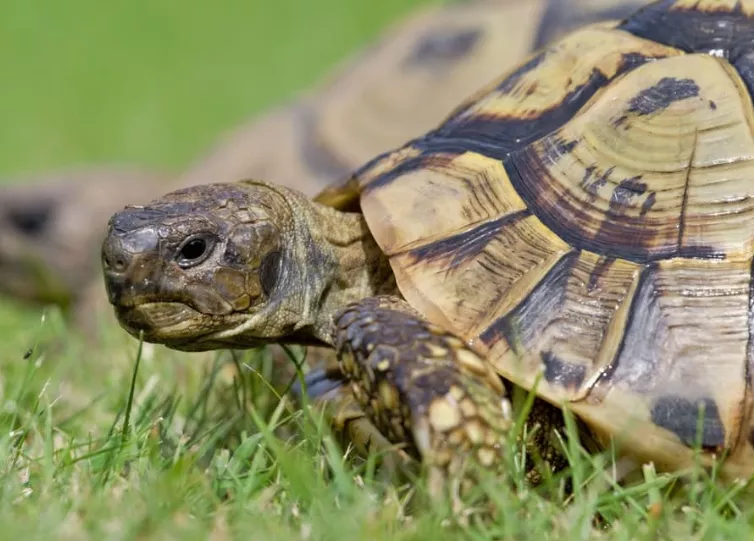
Keeping your Hermann’s tortoise hydrated is very important. Soaking plays a big role in keeping its skin, eyes, and organs healthy. Many tortoise owners wonder how often to soak their pet. This article explains everything you need to know.
Understanding the Needs of Hermann’s Tortoise
Hermann’s tortoise is a small, land-dwelling reptile from the Mediterranean region. It lives in dry, rocky areas with lots of sunshine. Although it is adapted to a dry climate, it still needs regular access to water. In the wild, it may drink from puddles after rain. In captivity, we must provide water in a safe and controlled way.
Why soaking is important
Soaking is not just about drinking water. It also helps your tortoise stay clean and hydrated. When a tortoise sits in shallow water, it can absorb moisture through its vent and skin. This prevents dehydration and supports healthy organs.
Soaking also helps your tortoise empty its bladder. This reduces the chance of urinary stones or other health issues.
Soaking and natural behavior
In nature, Hermann’s tortoises drink and hydrate themselves after rain. They may even dig in damp soil to stay cool and moist. Soaking your tortoise simulates this natural behavior. It also gives you a chance to check its shell and skin for any problems.
How Often to Soak a Hermann’s Tortoise
Baby tortoises (under 1 year)
Young Hermann’s tortoises need more water than adults. Their small bodies lose moisture faster. Soaking them more often helps them grow strong and healthy.
Suggested frequency: 5 to 7 times per week
Try to soak baby tortoises daily or at least every other day. This will keep them properly hydrated and prevent early health problems.
Juvenile tortoises (1 to 3 years)
As the tortoise grows, it still needs regular soaking. It is still growing, so hydration supports bone and shell development.
Suggested frequency: 3 to 5 times per week
Soaking every other day is usually enough, but more may be needed during dry seasons or hot months.
Adult tortoises (over 3 years)
Adult Hermann’s tortoises are more stable in their water needs. They can go longer without soaking, but they still benefit from regular hydration.
Suggested frequency: 1 to 2 times per week
You can soak them once a week during normal weather and increase to twice weekly during hot or dry periods.
How to Properly Soak a Hermann’s Tortoise
Choose the right container
Use a shallow, escape-proof container. The water should be no higher than the bottom of the tortoise’s shell. You do not want the tortoise to float or tip over. The water should feel warm to the touch, around 90°F (32°C). Never use cold water.
Time the soak correctly
Soak your tortoise in the morning. It will warm up during the day and be more active. A soak before basking helps the tortoise digest food better and stay comfortable.
Each soak should last about 15 to 30 minutes. If your tortoise seems stressed, try shorter soaks at first.
Observe your tortoise
During the soak, your tortoise may drink water, pee, or poop. This is normal. You can also take this time to check its body and shell. Look for dry patches, soft spots, or swelling.
After soaking, dry your tortoise gently with a towel and return it to its enclosure.
Signs That Your Tortoise Needs More Soaking
It is important to watch for signs of dehydration. A dry tortoise can become very sick. Here are some things to look out for:
Dry or sunken eyes
Healthy tortoises have clear, bright eyes. If the eyes look dull or sunken, your tortoise may be dehydrated.
Wrinkled skin
Loose, dry, or wrinkled skin can mean your tortoise is not getting enough water.
Hard urates
Tortoises release white waste called urates. If the urates are thick or dry, your tortoise might not be drinking enough.
Lethargy
A dehydrated tortoise may move slowly or refuse food. Regular soaking can help restore energy.
Tips for Soaking Your Tortoise
Be gentle and calm
Move your tortoise slowly and talk to it calmly. Avoid splashing or sudden movements. This builds trust.
Do not force soaking
If your tortoise resists, do not hold it underwater. Let it sit in the water at its own pace.
Use clean water only
Always use clean, chlorine-free water. Tap water is fine if it is safe to drink. Replace the water for each soak.
Watch the temperature
Cold water can shock your tortoise, and hot water can burn it. Check the temperature with your hand before placing your tortoise inside.
Soaking During Different Seasons
Summer
In summer, your tortoise may lose water faster. Soak more often during heatwaves or dry weather.
Winter
Some Hermann’s tortoises slow down in winter or go into brumation. During this rest period, they soak less. If your tortoise is not eating or moving much, consult a vet before soaking.
Rainy season
If the weather is naturally wet and humid, your tortoise may need fewer soaks. However, you should still check for signs of dehydration.
Do Indoor and Outdoor Tortoises Have Different Needs?
Yes. Tortoises living indoors often need more soaking. This is because indoor enclosures are usually drier. Heating lamps can also remove moisture from the air. If your tortoise lives inside, soak it more frequently.
Outdoor tortoises may get moisture from the ground, plants, and rain. Still, you should offer regular soaks, especially during dry spells.
Common Mistakes to Avoid
Too much water
Never fill the container too high. This can lead to drowning. The water should be shallow.
Using dirty containers
Always clean the container after each soak. Bacteria and waste can build up and harm your tortoise.
Forgetting to soak during hot weather
Even adults need extra water when it’s hot. Do not skip soakings during summer.
Soaking in cold rooms
A cold environment can lower your tortoise’s body temperature. Make sure the soaking area is warm.
Hydration Beyond Soaking
Provide fresh drinking water
Your tortoise should always have access to clean water in a shallow dish. Change it every day.
Feed water-rich foods
You can also keep your tortoise hydrated through its food. Offer leafy greens, cucumber, watermelon, and dandelion leaves. These have high moisture content.
Maintain good humidity
Use a hygrometer to measure humidity. Keep the enclosure slightly moist, especially for young tortoises.
When to Consult a Veterinarian
If your tortoise refuses to eat, becomes weak, or shows signs of dehydration even after soaking, you should speak to a reptile vet. Dehydration can lead to kidney problems or worse.
If your tortoise has white crusts near the nose, very hard urates, or dry skin, get help early.
Conclusion
Soaking your Hermann’s tortoise is a simple but important part of care. The right soaking routine depends on your tortoise’s age, size, and environment. Babies need more frequent soaks, while adults can go a few days without. Soaking helps your tortoise stay hydrated, active, and healthy.
Watch your tortoise closely. Learn its behavior and adjust your care as needed. Good hydration starts with regular soaking, clean water, and a proper diet. Whether your tortoise lives indoors or outdoors, soaking helps mimic natural hydration and supports long life.
Providing proper care like soaking also reduces the chance of illness. When your Hermann’s tortoise is healthy, it is more active and happy.
Related topics