
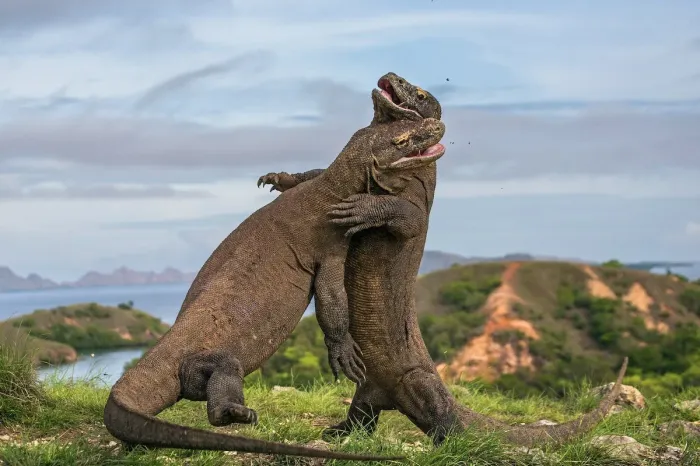
The Komodo dragon is a fascinating creature known for its impressive size and powerful presence. Native to a few Indonesian islands, these reptiles can grow up to ten feet long and weigh over 150 kilograms. Despite their strength and unique adaptations, Komodo dragons are classified as vulnerable due to declining populations and habitat threats.
Why Is the Komodo Dragon Considered Endangered?
The primary reason the Komodo dragon is endangered relates to habitat loss and fragmentation. Human activities such as deforestation, agricultural expansion, and tourism development have reduced their natural living spaces. These changes make it harder for Komodo dragons to find food and breed successfully.
Another significant threat comes from poaching and illegal hunting. Although protected by law, some individuals still hunt these lizards or their prey, which disrupts the balance of their ecosystem. Additionally, natural disasters like volcanic eruptions and forest fires pose risks to their limited island habitats.
Population Trends and Conservation Status
Estimates suggest that fewer than 6,000 Komodo dragons remain in the wild. Their populations are scattered across several islands, primarily Komodo, Rinca, Flores, Gili Motang, and Padar. The restricted range increases their vulnerability to environmental changes and human impacts.
Because of these factors, the International Union for Conservation of Nature (IUCN) lists the Komodo dragon as Vulnerable on its Red List. This status highlights that while they are not yet critically endangered, they face a high risk of extinction if protective measures are not maintained or strengthened.
Efforts to Protect the Komodo Dragon
Conservation programs have been set up both locally and internationally to safeguard these reptiles. Indonesia has established national parks like Komodo National Park that serve as protected habitats where hunting is prohibited and ecosystems are preserved.
Scientists also monitor populations closely through research initiatives. This work helps track population health, breeding success, and threats from disease or human activity. Public education campaigns aim to raise awareness about the importance of conserving Komodo dragons and their environment.
Captive breeding programs in zoos around the world contribute to genetic diversity preservation and provide opportunities for future reintroduction if wild populations decline further.
Conclusion
In summary, the Komodo dragon is indeed considered an endangered species due to habitat loss, human interference, and natural threats. Though classified as Vulnerable rather than Critically Endangered, its limited distribution makes it particularly susceptible to extinction risks. Ongoing conservation efforts are crucial to ensuring these remarkable creatures continue to thrive in their natural habitats.
FAQs
Are Komodo dragons dangerous to humans?
Yes, they can be dangerous due to their strong bite and venomous saliva. However, attacks on humans are rare when proper precautions are followed.
Can Komodo dragons be kept as pets?
No, they require specialized care and large natural environments. They are also protected by law, making private ownership illegal in most places.
What do Komodo dragons eat?
They are carnivores feeding mainly on deer, wild boar, smaller reptiles, and carrion.
How long do Komodo dragons live?
In the wild, they typically live around 30 years.