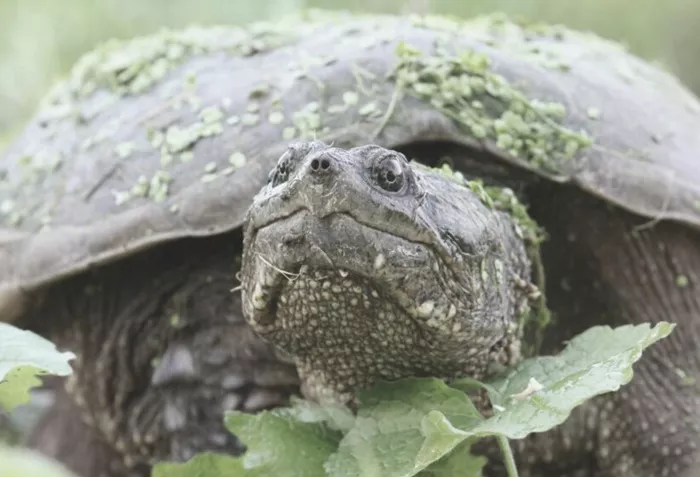
You stand at the edge of a quiet pond. The water looks still, almost lifeless. But beneath that calm surface lives one of nature’s most powerful and fascinating reptiles—the snapping turtle. You might wonder: what does such a prehistoric-looking creature eat to survive and thrive?
This question is more than curiosity. If you are a reptile enthusiast or a semi-professional keeper, understanding what snapping turtles eat in the wild is the key to unlocking proper care, long-term health, and ethical husbandry. Their diet is not random—it is a carefully balanced system shaped by evolution, environment, and survival instincts.
In this article, you will explore their natural feeding habits, the science behind their nutrition, and how you can replicate that balance in captivity. Along the way, you will learn essential concepts like nutrition, physiology, disease prevention, behavioral health, and husbandry practices—explained in simple, vivid ways you can easily apply.
Understanding Snapping Turtles: Nature’s Opportunistic Predators
Snapping turtles are often described as opportunistic omnivores. This means they eat both plant and animal matter, choosing whatever is available. Think of them as survival experts—like someone who can cook a meal out of anything left in a kitchen.
Wild Diet Overview
- Fish: Slow-moving or injured fish are common prey.
- Amphibians: Frogs and tadpoles provide soft, protein-rich meals.
- Insects: Beetles, dragonfly larvae, and aquatic insects are easy snacks.
- Birds: Occasionally, they catch ducklings or small water birds.
- Small mammals: Rare, but possible if the opportunity arises.
- Plants: Aquatic vegetation, algae, and fallen fruits.
- Carrion: Dead animals are a major food source.
Imagine their diet like a buffet rather than a fixed menu. They do not hunt like fast predators; instead, they wait, observe, and strike when the moment is right.

What “Nutrition” Really Means for Snapping Turtles
Nutrition is not just about eating—it is about fueling the body correctly. You can think of it as the quality of fuel you put into a car. High-quality fuel keeps the engine smooth; poor fuel causes breakdowns.
Key Nutritional Components
- Protein: Builds muscles and supports growth.
- Fats: Provide long-term energy reserves.
- Calcium: Essential for shell and bone strength.
- Vitamins: Support immune function and metabolism.
- Fiber: Helps digestion, especially from plant matter.
In the wild, snapping turtles achieve balance naturally by eating a wide variety of foods. In captivity, however, you must recreate this balance carefully.
Physiology: How Their Bodies Shape Their Diet
Physiology refers to how the body works. For snapping turtles, their physiology explains why they eat what they eat.
Think of their body like a toolkit designed for survival:
- Powerful jaws: Designed for crushing shells and tearing flesh.
- Slow metabolism: They do not need to eat every day.
- Sensory adaptation: They rely on movement and vibration to detect prey.
A veterinarian once described their metabolism as “a slow-burning candle.” Unlike mammals, snapping turtles conserve energy, allowing them to survive long periods without food.
Real Story: A Wildlife Veterinarian’s Observation
A wildlife veterinarian working in the southern United States once documented a large snapping turtle that survived an entire winter under ice with minimal food intake. When spring arrived, the turtle resumed feeding on fish and carrion almost immediately.
This story highlights two critical lessons:
- Snapping turtles are highly adaptable feeders.
- Their bodies are built to handle irregular feeding patterns.
Husbandry Practices: Bringing the Wild into Captivity
Husbandry practices refer to how you care for your reptile—its diet, habitat, and daily routine. Think of husbandry as creating a “mini ecosystem” where your turtle can behave naturally.
Diet Replication in Captivity
- Offer variety: Rotate between fish, insects, and greens.
- Use whole prey: This includes bones and organs for full nutrition.
- Limit processed foods: Commercial pellets should be supplements, not the main diet.
- Adjust portions: Feed based on age and size.
A semi-professional keeper once noted that switching from a pellet-only diet to a varied diet improved their turtle’s activity and shell condition within months.
Behavioral Health: Feeding as Enrichment
Behavioral health refers to your turtle’s mental and emotional well-being. Feeding is not just about nutrition—it is also stimulation.
Imagine eating the same meal every day versus exploring new dishes. The difference is not just physical—it affects your mood and engagement.
Enrichment Techniques
- Live prey introduction: Encourages natural hunting instincts.
- Food hiding: Place food in different locations.
- Texture variation: Offer both soft and hard foods.
A reptile trainer once shared that adding live crayfish to an enclosure transformed a lethargic turtle into an active hunter.
Disease Prevention Through Diet
Disease prevention is about stopping health problems before they start. Diet plays a major role.
Common Diet-Related Issues
- Metabolic bone disease: Caused by calcium deficiency.
- Obesity: From overfeeding or fatty diets.
- Vitamin deficiencies: From lack of variety.
Think of diet as a shield. A balanced diet strengthens it; a poor diet weakens it.
Seasonal and Environmental Influences
In the wild, snapping turtles do not eat the same foods year-round.
- Spring: Increased feeding after winter dormancy.
- Summer: Abundant prey and active hunting.
- Fall: Preparation for winter with heavier meals.
- Winter: Minimal feeding or fasting.
Understanding these cycles helps you adjust feeding schedules in captivity.
Another Real Story: The Rescue Turtle
A rescue center once received a snapping turtle that had been fed only chicken meat. The turtle showed shell deformities and lethargy.
After switching to a balanced diet of fish, insects, and plants, the turtle gradually recovered. Within a year, its shell hardened and its behavior improved significantly.
Common Mistakes Keepers Make
- Overfeeding: Leads to obesity and water quality issues.
- Lack of variety: Causes nutritional imbalances.
- Ignoring natural behavior: Reduces enrichment.
- Feeding only processed foods: Limits essential nutrients.
Practical Feeding Strategy for Keepers
- Feed juveniles daily with protein-rich foods.
- Feed adults 2–3 times per week.
- Include plant matter regularly.
- Provide calcium supplements when needed.
Conclusion
Snapping turtles are not just aggressive reptiles—they are complex, adaptable survivors shaped by millions of years of evolution. In the wild, they eat a diverse and opportunistic diet that includes fish, insects, plants, and carrion. This variety supports their nutrition, physiology, and overall health.
When you understand what snapping turtles eat in the wild, you gain a powerful tool. You can replicate natural conditions, prevent disease, and improve behavioral health. By focusing on balanced nutrition, thoughtful husbandry practices, and enrichment, you create an environment where your turtle can truly thrive.
Ultimately, caring for a snapping turtle is not about control—it is about understanding and respect. When you align your care with nature, you give your turtle the best possible life.
FAQ
Do snapping turtles eat only meat in the wild?
No, snapping turtles are omnivores. While they eat a lot of animal protein, they also consume plants, algae, and fruits. A balanced diet includes both animal and plant matter.
How often do snapping turtles eat in the wild?
They do not follow a strict schedule. Their feeding depends on food availability, season, and temperature. Sometimes they eat frequently, while other times they fast for long periods.
Can snapping turtles eat dead animals?
Yes, they often consume carrion. This makes them important for ecosystem cleanup, as they help recycle nutrients by eating dead organisms.
What is the best diet for a pet snapping turtle?
A varied diet that includes fish, insects, leafy greens, and occasional fruits is ideal. Whole prey is especially beneficial for providing complete nutrition.
Why is variety important in a snapping turtle’s diet?
Variety ensures that your turtle receives all necessary nutrients. It also supports behavioral health by encouraging natural feeding behaviors and preventing boredom.
Related topics: