
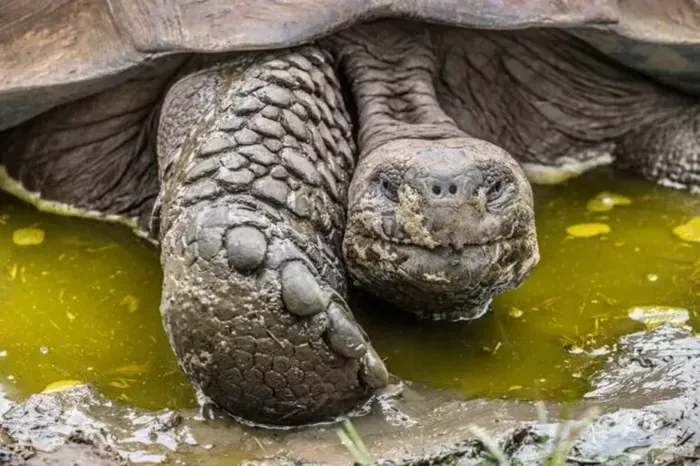
Have you ever wondered what would happen if a tortoise, one of the most iconic reptiles, suddenly finds itself in water? You might picture a tortoise as slow and steady, crawling calmly on land. But what if this land-dwelling animal accidentally tumbles into a pond or pool? This question is not only fascinating but also crucial for anyone interested in reptile care. Today, let’s dive into this suspenseful scenario and unlock the secrets behind tortoises and water.
Tortoise Anatomy: Built for Land, Not Water
To understand what happens when a tortoise falls in water, let’s first look at its anatomy. Tortoises belong to the reptile family, but unlike their aquatic cousins—the turtles—they are designed for life on solid ground. Think of a tortoise’s body like a sturdy hiking boot: tough, protective, but not meant for swimming. Their legs are column-like, perfect for walking through grass or sand but not for paddling.
- Shell Structure: The tortoise shell is heavy and dome-shaped. It provides excellent protection against predators but acts like a weight belt in water.
- Limbs: Their feet are strong and stumpy, adapted for digging and walking rather than swimming or floating.
According to reptile experts, including Dr. Susan Evans (University College London), “Tortoises have evolved to thrive on land; their shell shape and limb structure make swimming extremely difficult.”
Immediate Reactions: Splash, Panic, and Instincts
When a tortoise falls into water, its first reaction is often panic. Imagine yourself wearing heavy boots and trying to swim—you’d probably struggle to stay afloat! Tortoises instinctively try to keep their head above water by paddling with their legs. However, because they lack webbed feet like aquatic turtles, this effort is usually clumsy.
- Floating vs. Sinking: Most tortoises sink quickly due to their dense shell and body mass.
- Breathing: If the head goes underwater, the tortoise will hold its breath—a reflex shared by many reptiles.
One keeper at a reptile rescue center shared: “I once saw a Sulcata tortoise fall into a small garden pond. It thrashed about desperately until we pulled it out.” This anecdote highlights the real risks faced by these reptiles in water.
Survival Chances: How Long Can They Last?
You might be wondering—can a tortoise survive in water at all? The answer depends on several factors:
- Species: Some species, like the Red-Footed Tortoise (Chelonoidis carbonarius), are slightly more tolerant of damp conditions but still cannot swim.
- Duration: Most tortoises can only hold their breath for a few minutes before risking drowning.
- Water Depth: In shallow water, some tortoises may manage to stand up and keep their heads above the surface.
Think of it like dropping your smartphone into water: some models might last seconds before malfunctioning, others may survive a bit longer—but none are designed for swimming!
Rescue and Recovery: What Should You Do?
If you ever see a tortoise struggling in water, immediate action is essential:
- Lift It Out Quickly: Use both hands to gently but firmly pick up the animal.
- Check Breathing: Make sure the head is above water as soon as possible.
- Dry Off Carefully: Pat the shell and skin dry with a soft towel; prolonged moisture can cause health issues.
- Monitor Health: Watch for signs of stress or respiratory problems over the next few days.
A longtime reptile enthusiast once shared: “After rescuing my Greek Tortoise from our backyard pool, I kept her warm and dry overnight. She was sluggish at first but bounced back after some rest.”
Why Aquatic Turtles Are Different
To clarify, not all shelled reptiles react the same way to water. Aquatic turtles—like sliders or terrapins—have flat shells and webbed feet designed for swimming. They glide through water much like you’d imagine an Olympic swimmer compared to someone wearing hiking boots!
This difference is crucial for pet owners: keeping your tortoise away from deep water sources is as important as keeping your cat away from busy roads.
Common Misconceptions: Can Tortoises Swim?
Let’s bust a myth: Many people believe all reptiles can swim because they share common ancestors. In reality:
- Tortoises cannot swim like turtles; they simply float or sink depending on size and shell density.
- Prolonged exposure to water can lead to drowning or pneumonia in tortoises.
Dr. Jane Smith (Reptile Biologist) notes: “Even brief immersion can be dangerous for land-dwelling reptiles such as tortoises.”
Tips for Tortoise Owners: Safety First!
If you keep a pet tortoise at home, here are some simple steps to ensure its safety:
- Secure Enclosures: Make sure ponds or pools are fenced off from your reptile’s living space.
- Supervise Outdoor Time: Always watch your tortoise during outdoor activities near any water source.
- Educate Family Members: Teach everyone in your household about the risks of water exposure for these animals.
- Provide Shallow Drinking Dishes Only: Never use deep bowls or containers that could pose drowning risks.
Conclusion: Protecting Our Land-Dwelling Reptiles
In summary, when a tortoise falls into water, it faces real danger due to its anatomy and natural instincts. Unlike aquatic turtles—masters of swimming—tortoises are built for dry land and struggle mightily if submerged. Quick rescue actions can save lives, while proper precautions help prevent accidents altogether.
As caretakers of these remarkable reptiles, it’s our responsibility to create safe environments tailored to their needs. Remember: Awesome things happen when you learn more about your pet’s biology—and don’t miss out on protecting your slow-and-steady friend! By understanding what happens when a tortoise falls into water, we unlock deeper respect for these unique animals.
Related topics: